Guava – cultivation, costs, places to buy... What does guava taste like?
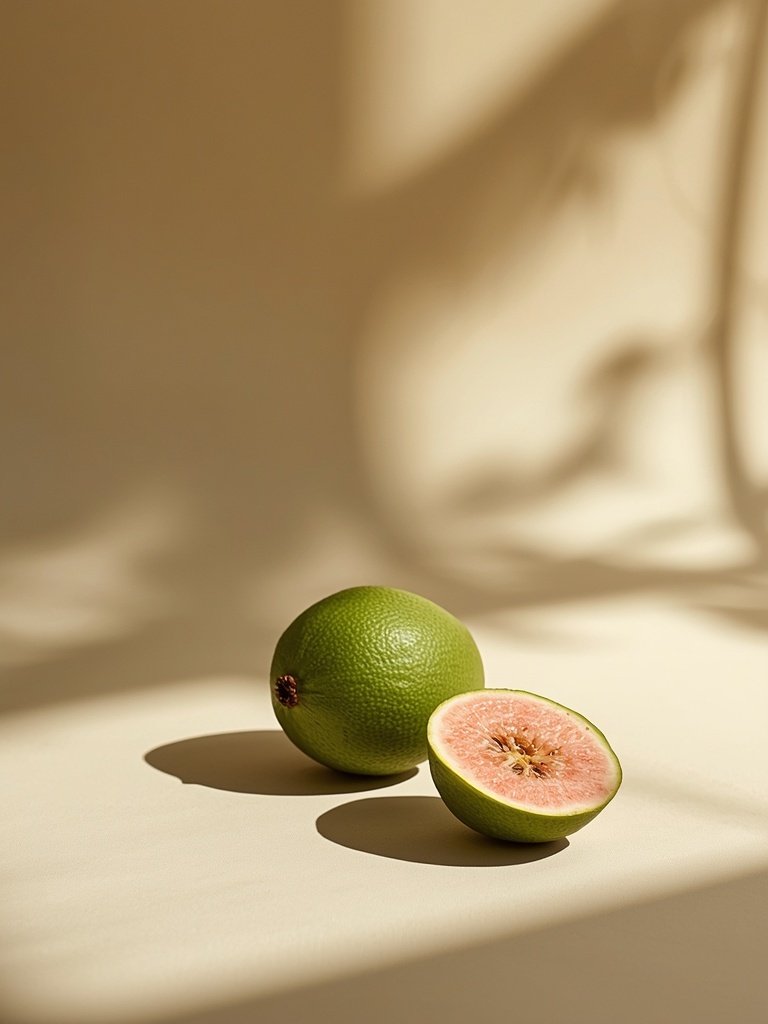
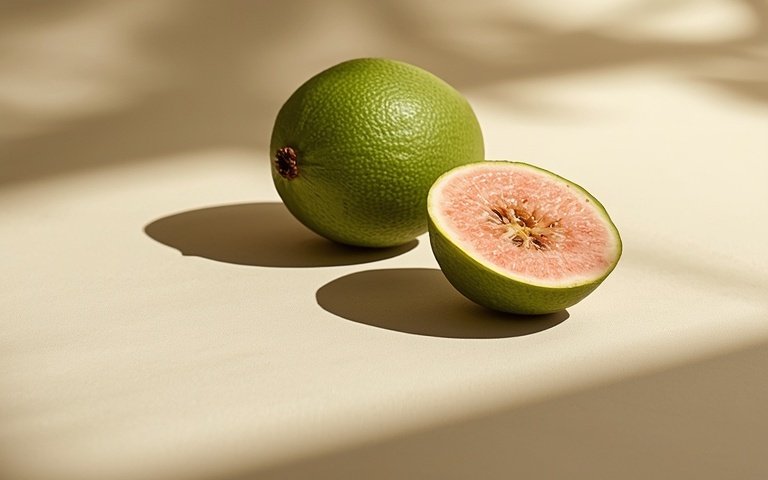
Table of Contents 5
Medical & Editorial Disclaimer (§3 Terms): This article is for informational and educational purposes only, does not constitute medical advice, diagnosis, or treatment, and is used at your own risk. Consult a qualified physician for medical conditions.
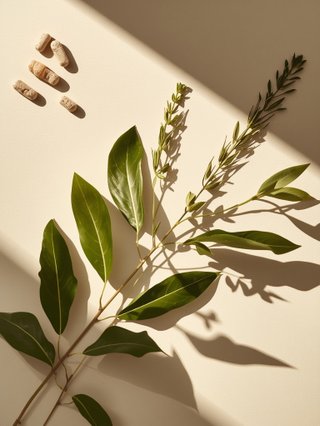
The physiological mechanisms associated with guava are multifaceted, involving both the fruit pulp and the leaves, which are rich in bioactive compounds. These components support metabolic health by helping to regulate key biochemical markers and promoting overall systemic balance. The plant is noted for its remarkable adaptability to various environments, which contributes to its resilience and the concentration of its beneficial properties. Scientific interest in these botanical attributes continues to grow, highlighting the plant as a valuable resource for supporting long-term health.
When selecting guava, prioritize fruit that emits a fragrant aroma and yields slightly to gentle pressure, as these are the most reliable indicators of quality and ripeness. Avoid any specimens with visible bruising or signs of damage to ensure the best experience. Whether enjoyed fresh for its subtle sweetness or utilized in the form of leaf-based infusions, guava serves as a versatile addition to a health-conscious diet, providing a natural way to enhance nutritional intake through mindful consumption.
Common guava – a tropical nutritional and medicinal powerhouse with evidence-based benefits
Guava cultivation – a comprehensive guide for diverse soils and climatic adaptations
Guava – a tropical fruit with distinctive flavor and unique sensory characteristics
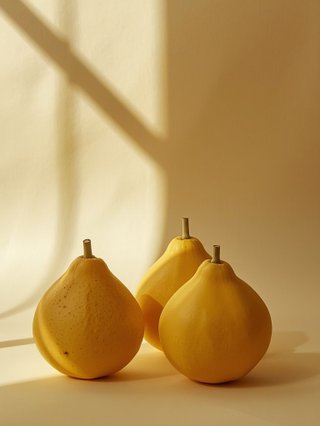
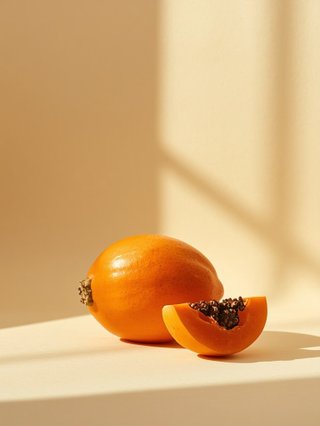
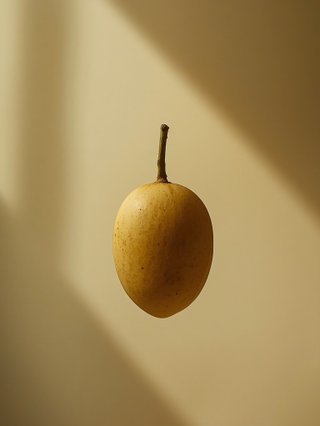
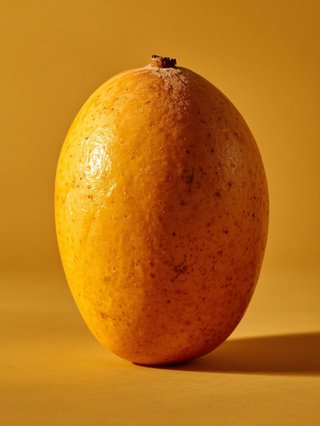
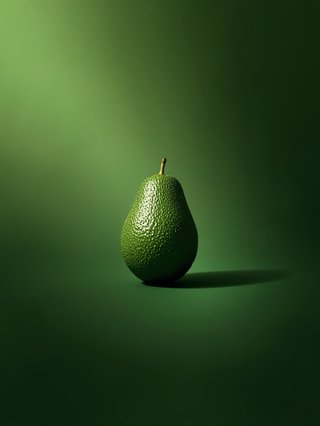
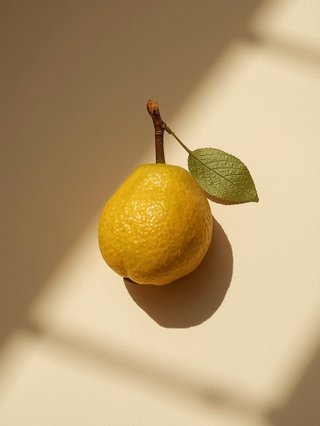
The outer peel of the guava, while entirely edible, exhibits a mildly tart flavor profile that may not appeal to all palates. Inside, the fruit reveals a soft, pale-colored pulp interspersed with tiny, firm seed-like structures—commonly (though inaccurately) referred to as "seeds." Its taste leans toward the subtly sweet rather than overtly sugary, evoking comparisons to the delicate nuances of a ripe pear, both in its aromatic qualities and its slightly granular mouthfeel. Guava excels as a refreshing standalone snack when consumed raw, yet it also serves as an intriguing complement to fruit salads, enhancing their flavor complexity. Equally versatile, it can be incorporated into nutrient-dense smoothies, desserts, or homemade preserves, lending an intense, fruity depth to culinary creations.
It is worth noting, however, that guava is a relatively calorie-dense fruit—just 100 grams provide approximately 68 kilocalories to the diet. Furthermore, its elevated glycemic index, reaching 78, may raise concerns among individuals managing blood glucose levels. Despite this, due to its rich fiber content and nutritional density, guava is occasionally included in balanced dietary regimens for individuals with diabetes, provided that portion sizes are moderated and consumption is overseen by a healthcare professional.
Guava: Current Pricing, Reliable Purchase Sources, and Selection Criteria for Ripe Fruit
Guava leaves: a multifaceted botanical remedy with extensive therapeutic potential
Want to apply these guidelines in your daily diet?
Our smart diet generator creates a tailored meal plan in 3 minutes based on the recommendations in this article.
Tags

Alicja Kowalska
• 25.11.2026Diets Premium Expert
Diets Premium team expert. Specializes in nutrition plans, strength sports, and training plans.