Gastritis (Stomach Mucositis): Symptoms, Causes, Treatment, and Diet

Table of Contents 5
Medical & Editorial Disclaimer (§3 Terms): This article is for informational and educational purposes only, does not constitute medical advice, diagnosis, or treatment, and is used at your own risk. Consult a qualified physician for medical conditions.
Across its chapters, the guide distinguishes between acute and chronic forms of gastritis while examining the underlying physiological triggers that compromise the gastric barrier. Acute inflammation often stems from excessive alcohol intake, prolonged use of non-steroidal anti-inflammatory pain relievers such as aspirin or ibuprofen, or severe physiological stress, whereas chronic gastritis is predominantly driven by Helicobacter pylori infection, autoimmune mechanisms, or persistent bile reflux. Readers will also gain a clear understanding of clinical management strategies tailored to the root cause, ranging from acid-suppressing medications, mucosal protective agents, and prokinetics to targeted antibiotic eradication protocols and the careful review of irritating medications.
Nutritional modification serves as an essential practical pillar for soothing irritation and supporting mucosal recovery in everyday life. During an acute flare-up, initial dietary rest paired with gentle hydration using water, weak tea, or chamomile infusion helps calm the digestive tract before gradually reintroducing easily digestible foods such as rice gruel, blended vegetable purees, boiled lean meats, and white bread. For ongoing support during the chronic phase, adopting a routine of smaller, well-spaced meals while consistently avoiding fatty, fried, and heavily spiced dishes alongside strong coffee, alcohol, and tobacco provides actionable relief that nurtures long-term gastric health.
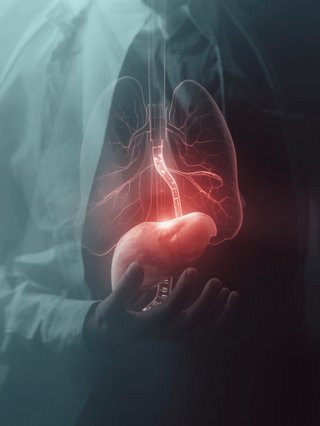
Gastritis, commonly known as inflammation of the stomach lining, is a prevalent condition that can be triggered by various factors. Excessive alcohol consumption, prolonged use of non-steroidal anti-inflammatory drugs (NSAIDs) such as aspirin or ibuprofen, and bacterial infections like Helicobacter pylori are common culprits. While gastritis can sometimes be asymptomatic, it often presents with burdensome symptoms such as upper abdominal pain, nausea, vomiting, or a feeling of fullness. Early diagnosis and the implementation of appropriate pharmacological and dietary treatment are crucial to prevent unpleasant consequences and complications of this disorder. Symptoms should never be underestimated, as untreated gastritis can lead to more severe health issues.
Gastritis: Definition and Types
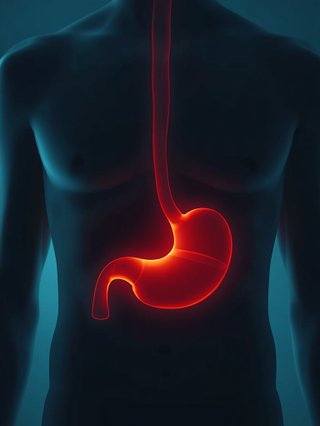
Gastritis is an inflammation of the mucosal lining of the stomach. It is primarily categorized into two major forms:
- Acute gastritis: Characterized by a sudden onset, potentially presenting as hemorrhagic inflammation, bacterial infection by Helicobacter pylori, or phlegmonous inflammation.
- Chronic gastritis: A long-standing inflammatory condition, further subdivided into chronic non-atrophic gastritis (often due to H. pylori), autoimmune atrophic gastritis, and bile reflux gastropathy.
Other rarer causes include chemical, radiation-induced, granulomatous (e.g., Crohn's disease), and infectious origins. Clinically, it is important to distinguish true inflammation (gastritis) from gastropathy, where mucosal damage occurs without significant inflammation.
Symptoms of Gastritis
Gastritis can be asymptomatic, but most frequently it manifests through nonspecific upper abdominal pain and digestive discomfort. Typical symptoms include:
- Upper abdominal pain or discomfort
- Nausea and vomiting (may contain blood traces in severe inflammation)
- Belching, bloating, and gas
- Early satiety after eating
- Loss of appetite and unexplained weight loss
In severe forms like hemorrhagic gastritis, mucosal micro-tears can trigger active bleeding, leading rapidly to iron deficiency anemia. A critical warning sign is melena (black, tarry stools), indicating active gastrointestinal bleeding.
Causes of Gastritis
The etiology of gastritis encompasses infectious, toxic, and iatrogenic factors. The most common triggers for acute gastritis include:
- Excessive alcohol consumption
- Regular use of non-steroidal anti-inflammatory drugs (NSAIDs)
- Severe physiological stress (burns, major trauma, shock)
- Central nervous system disorders
Meanwhile, approximately 80% of chronic gastritis cases are driven by Helicobacter pylori infection. Other key contributors include autoimmune mechanisms, persistent bile reflux, cigarette smoking, and chronic psychological stress, all of which compromise the protective gastric mucosal barrier.
Treatment of Gastritis
The treatment strategy depends directly on the diagnosed cause of gastritis. Pharmacotherapy forms the cornerstone of management:
- Proton pump inhibitors (PPIs) and H2-receptor antagonists to reduce gastric acid production
- Antacids and mucosal protective agents (e.g., sucralfate)
- Prokinetics to improve gastric motility
If Helicobacter pylori is detected, targeted antibiotic eradication therapy is implemented. When NSAIDs are the underlying cause, discontinuation or substitution is required. Autoimmune gastritis may require vitamin B12 supplementation, and in severe complicated cases, surgical intervention might be necessary.
Dietary Management for Gastritis
Nutritional modification is a fundamental component of recovery. In acute gastritis, short-term dietary restriction in favor of hydration with mild fluids (water, weak tea, chamomile infusion) is recommended. Over subsequent days, easily digestible items are gradually reintroduced, including rice gruel, boiled lean meat, blended vegetable purees, and white bread.
During the chronic phase, patients should eat 4–5 smaller meals daily while strictly avoiding fatty, spicy, and fried foods, strong coffee, alcohol, and gas-producing items. A properly tailored diet reduces mucosal irritation and promotes gastric tissue regeneration.
Want to apply these guidelines in your daily diet?
Our smart diet generator creates a tailored meal plan in 3 minutes based on the recommendations in this article.
Tags

Kacper Nowak
• 25.11.2026Diets Premium Expert
Diets Premium team expert. Specializes in nutrition plans, strength sports, and training plans.