Freezing Food: What is Suitable for the Freezer and What to Avoid – A Practical Guide
Table of Contents 3
Medical & Editorial Disclaimer (§3 Terms): This article is for informational and educational purposes only, does not constitute medical advice, diagnosis, or treatment, and is used at your own risk. Consult a qualified physician for medical conditions.
The core mechanism revolves around ice crystallization and its impact on distinct biological structures. Nutrient-dense items such as raw and cooked meats, fatty fish, butter, aged hard cheeses, and blanched vegetables tolerate freezing exceptionally well. Conversely, produce with high moisture content, low-fat dairy emulsions, and raw potatoes suffer severe structural breakdown. Domestic freezing typically forms large, sharp ice crystals that shear through plant cell walls and break protein emulsions, whereas industrial flash-freezing creates tiny micro-crystals that preserve structural integrity.
To optimize home food preservation, apply strategic pre-treatment based on the physical properties of each item. Blanching vegetables prior to freezing inactivates tissue-degrading enzymes, while vacuum-sealing meats and fish prevents freezer burn. Highly watery produce and delicate dairy emulsions are best consumed fresh to avoid the undesirable textural collapse and separation that occur upon thawing.
Freezing is an invaluable household strategy to curtail food waste and preserve perishable nutrients without synthetic additives. However, not all food matrices withstand sub-zero crystallization. Products characterized by high moisture content, delicate fat emulsions, or raw ungelatinized starches suffer catastrophic structural degradation, syneresis, or textural collapse upon thawing. This kitchen guide delineates optimal freezer candidates from items that must never be frozen.
Freezing Science – Physics of Preservation and Ideal Freezer Items
Maintaining temperatures at or below -18°C halts bacterial replication and dramatically retards enzymatic kinetics. Products exceptionally tolerant of freezing include:
- Raw and cooked meats and lean/fatty fish (vacuum-sealed against air).
- Sourdough breads and whole loaves (optimally sliced prior to freezing).
- Butter and hard matured cheeses (Parmesan, aged Cheddar, Gouda).
- Blanched brassicas, root vegetables, and legumes.
- Berries, pitted cherries, and stone fruits.
- Meat broths, clear soups, and slow-cooked stews (without dairy or potato thickeners).
Items Never to Freeze – The Kitchen Blacklist
Sub-zero exposure irreversibly damages specific food matrices:
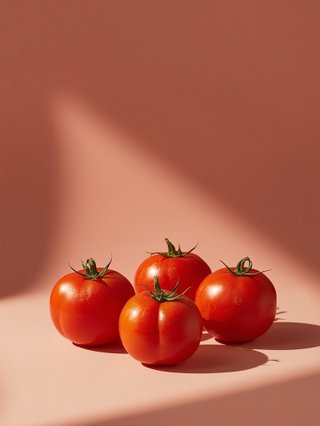
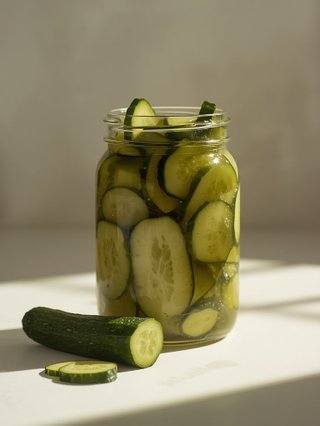
- High-water-content produce: Cucumbers, salad lettuces, radishes, raw celery, whole tomatoes—ice crystals rupture cells, leaving mushy, watery tissue.
- Low-fat dairy: Sour cream, natural yogurt, buttermilk, cottage cheese—undergoes severe syneresis and emulsion separation.
- Whole raw eggs in shell: Liquid expansion cracks the rigid calcareous shell, exposing the interior to pathogen contamination.
- Raw potatoes: Endogenous amylases convert ungelatinized starch into simple sugars, producing an unpalatable sweet, glassy, blackened texture.
- Mayonnaise and egg-based dressings: Emulsions undergo irreversible phase breakdown, separating into greasy liquid layers.
The Biophysics of Freezing Damage – Ice Crystal Size and Cell Rupture
Water expands by approximately 9% upon phase transition into ice. In domestic freezers, sluggish cooling rates foster the growth of large, jagged macro-crystals. These crystalline spears shear through plant cell walls and destabilize casein protein micelles. Conversely, industrial flash-freezing utilizes rapid cryogenic temperatures (-40°C), forming harmless micro-crystalline structures that leave biological textures intact.
Want to apply these guidelines in your daily diet?
Our smart diet generator creates a tailored meal plan in 3 minutes based on the recommendations in this article.

Anna Schmidt
• 25.11.2026Diets Premium Expert
Diets Premium team expert. Specializes in nutrition plans, strength sports, and training plans.