Forest treasures: wild strawberries and their leaves – invaluable health properties and medicinal uses of strawberry leaves
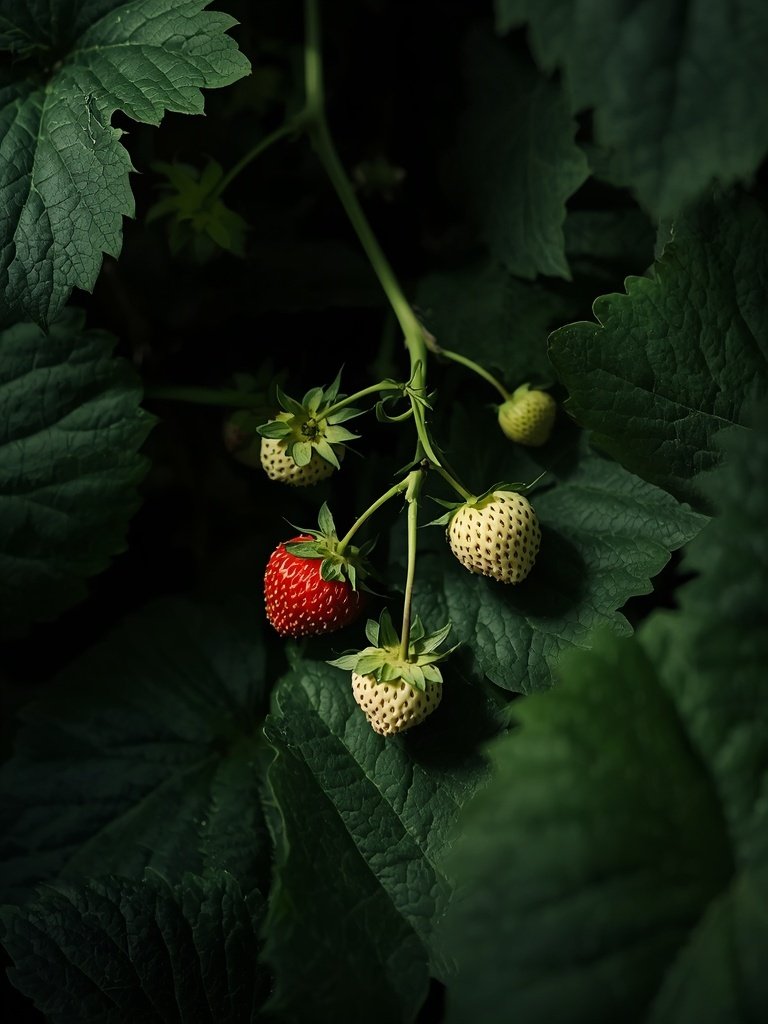
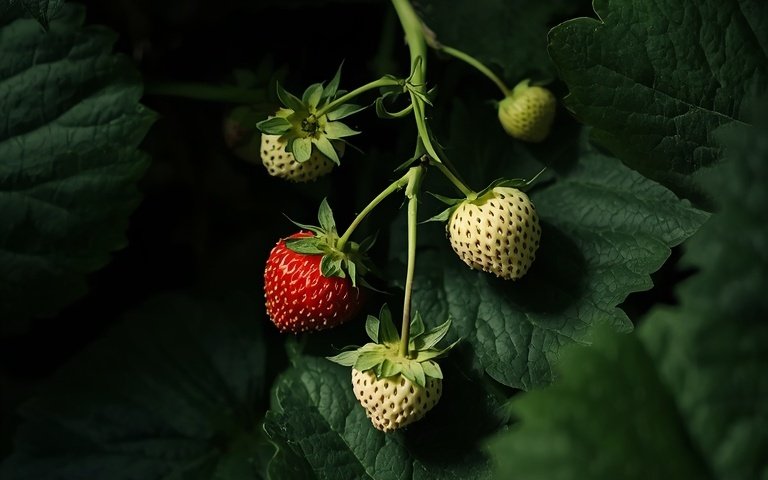
Table of Contents 5
Medical & Editorial Disclaimer (§3 Terms): This article is for informational and educational purposes only, does not constitute medical advice, diagnosis, or treatment, and is used at your own risk. Consult a qualified physician for medical conditions.
The physiological benefits are driven by a complex profile of flavonoids, organic acids, and essential oils found primarily in the young leaves. These components contribute to antioxidant and anti-inflammatory pathways, helping to protect the body against oxidative stress. Furthermore, the active compounds support digestive health by stimulating gastric secretions and may assist in regulating metabolic functions, thereby contributing to a more resilient immune system and better vascular health.
For daily health practices, incorporating wild strawberry leaves as a gentle infusion or tea can be an effective way to support digestion and appetite. The fresh fruits serve as nutrient-dense additions to a balanced diet, providing a variety of vitamins and minerals. By thoughtfully including these forest elements in one's lifestyle, individuals can enhance their well-being, provided they maintain a balanced approach and prioritize high-quality, sustainably sourced ingredients.
Wild strawberries (Fragaria vesca) and their leaves represent one of nature’s most underrated yet invaluable treasures, brimming with essential nutrients, antioxidants, and bioactive compounds. Beyond their delicate aroma and modest appearance, these forest gems harbor profound health benefits. How can their consistent incorporation—whether as fresh fruit, infusions, or topical applications—optimize human physiology? From bolstering immune defense and aiding digestion to detoxifying the body and modulating metabolic pathways, wild strawberries and their leaves offer a multifaceted therapeutic arsenal backed by centuries of traditional use and modern scientific validation.
Botanical Characteristics and Natural Distribution of Wild Strawberries
It is also called red berry or koziomka. In Poland it occurs throughout the area. Mainly in forests and on its shores and in fields and pathways. It grows wild not only in Europe, but also in Asia and North America. The fruits have a diameter of 12 cm, are red and juicy. They are eaten raw, and also used for fruit processing such as jams, jams and compotes [1, 2].
Nutritional Profile: Why Wild Strawberries and Their Leaves Are Superfoods
Wild strawberries (Fragaria vesca) are nutrient-dense powerhouses. A 100-gram serving provides a modest 32–35 calories while delivering approximately 60 mg of vitamin C, abundant B-complex vitamins (thiamine, riboflavin, pyridoxine), folate, and carotenoids. Mineral analysis reveals significant concentrations of potassium (~160 mg), iron, calcium, magnesium, and phosphorus. Furthermore, wild strawberries are exceptionally rich in ellagic acid and anthocyanins, conferring profound antioxidant, anti-inflammatory, and cardioprotective actions.
Therapeutic Properties of Wild Strawberry Leaves: From Antioxidant Action to Anti-Inflammatory Effects
The leaves are green, and from the bottom are gray, triangular. the shores are bally. they have the highest medicinal value. for this purpose, the young leaves are collected. they contain flavonoids, essential oils, organic acids and vitamins. the health benefits are mainly of increasing levels of wildlife.
Applications: Wild Strawberry Leaves in Traditional and Modern Medicine
They may be used in diseases of the urinary system. They also contain suppositories that are used in digestive diseases related to diarrhoea. They stimulate the secretion of gastric juices thereby increasing appetite. They can be helpful in people who are not hungry and who eat very little. In addition, they can be used for throat infections and inflammatory blood vessel conditions.
Culinary and Homemade Applications: Wild Strawberries and Their Leaves in Cooking and Herbal Medicine
The wild strawberries appear briefly in our gardens, so it is worth making preserves from them to enjoy their unique taste and aroma for longer. Several recipes are provided below. Wild strawberry jam Ingredients: 75 g sugar, 1 cup water, 1 kg wild strawberries, 100 ml spirit. Instructions: Dissolve the sugar in the water. Add the washed wild strawberries. Bring to a boil. Boil again on the second and third day. On the third day after boiling, transfer to clean and sterilized jars. Pour a spoonful of spirit over the top and seal tightly. [4] expand
Raspberry jam Ingredients: 1 kg raspberries, 0.5 kg sugar, 1 packet of gelific, 0.5 dried lemon. Instructions: Clean and wash the raspberries. Transfer to a pot, cover with sugar and gelific. Cook for approx. 30 minutes over low heat. Add lemon juice and blend. Pour into clean and sterilized jars. Seal and turn upside down. [5] expand
Sloe liqueur Ingredients: 1 kg sloes, 300 g sugar, 1 l 70% spirit. Preparation method: Wash and dry the fruit with a paper towel. Transfer to a jar, cover with sugar and seal. Leave for 12 hours. Shake the container from time to time. Add alcohol to the jar. Seal. Leave for 14 days in a warm, sunny place. Shake the jar every 4 days. Strain the liqueur. Squeeze the fruit well. Strain through a coffee filter and pour into bottles. Store in a cool, dark place for 6 months. [6]
Sloe berry liqueur with vodka Ingredients: 0.5 kg sloe berries, 1 l vodka, 250 ml water, 250 g sugar. Instructions: Wash the sloe berries. Pour into a bowl and cover with vodka. Cover with a cloth and leave for 24 hours. Then boil the water with sugar and pour over the sloe berries. Mix. Cover and leave for another 24 hours. Strain the liqueur through a sieve, pressing the fruit firmly. Pour into bottles. Store in a cool, dark place for 5 months. [7]
Wild strawberries are delicious forest berries, full of vitamins and antioxidants. They are excellent ingredients for sweet preserves and liqueurs. In addition to the aroma and taste of the berries, wild strawberry leaves have medicinal properties. It is worth remembering them for loss of appetite, gastrointestinal problems, and urinary tract diseases.
Want to apply these guidelines in your daily diet?
Our smart diet generator creates a tailored meal plan in 3 minutes based on the recommendations in this article.
Tags

Julia Wójcik
• 25.11.2026Diets Premium Expert
Diets Premium team expert. Specializes in nutrition plans, strength sports, and training plans.