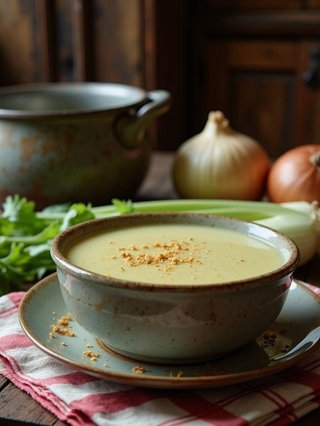
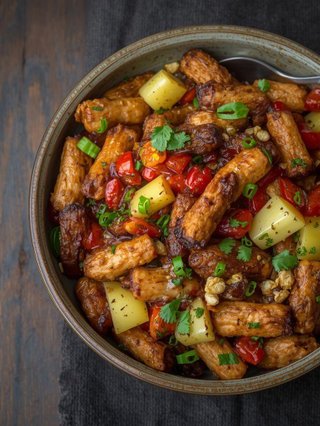
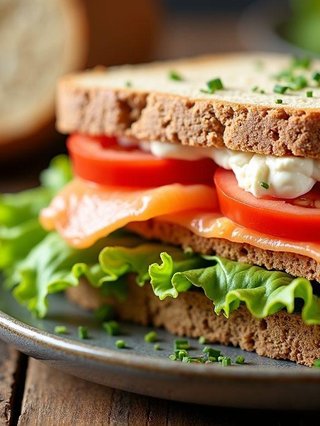
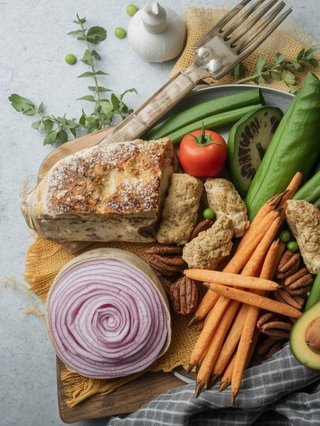
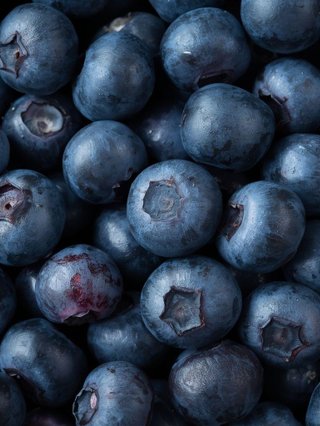
Fiber present in food
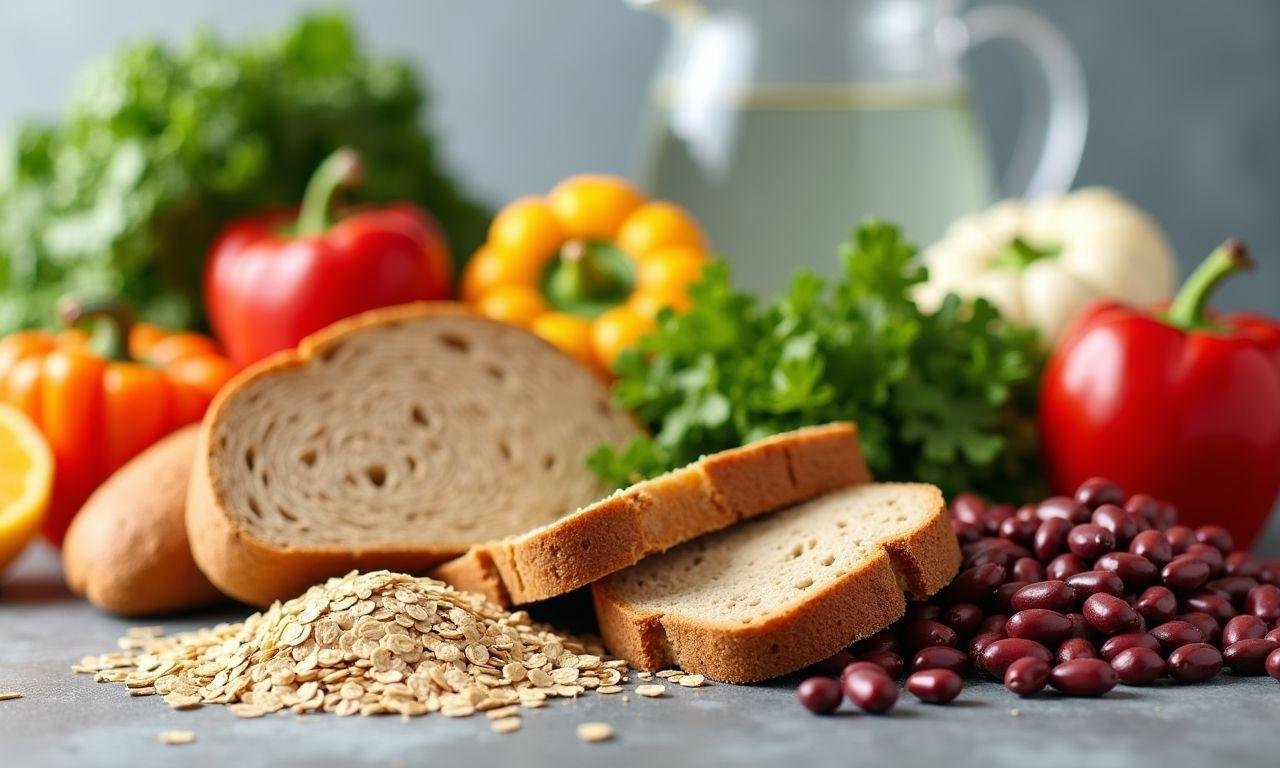
Table of Contents 3
Medical & Editorial Disclaimer (§3 Terms): This article is for informational and educational purposes only, does not constitute medical advice, diagnosis, or treatment, and is used at your own risk. Consult a qualified physician for medical conditions.
The physiological mechanisms encompass distinct actions from soluble and insoluble varieties, where soluble components absorb water to form viscous gels, slow down digestion, and act as nourishment for beneficial gut microflora, while insoluble structures like lignin and hemicellulose enhance bowel peristalsis, increase stool bulk, and shorten transit time through the intestines. These combined properties help regulate the digestive process, increase satiety, stimulate gastric juice secretion, and assist the body in binding bacterial toxins and heavy metal ions. To maximize these benefits safely, maintaining adequate hydration is paramount whenever dietary fiber intake is adjusted.
For practical everyday implementation, it is advisable to increase the consumption of these nutritional elements gradually to allow the digestive system time to adapt comfortably without sudden disruption. Individuals experiencing active inflammatory states or other gastrointestinal ailments should exercise caution and seek professional guidance, potentially combining their regimen with supportive herbal infusions like parsley or hibiscus to encourage the regeneration of the intestinal lining. Emphasizing whole plant foods in regular meals provides a sustainable path toward long-term dietary health and vitality.
Nutritional Fiber: Classifications and Functions
Sources of dietary fibers
Supplementation of dietary components - fiber
Want to apply these guidelines in your daily diet?
Our smart diet generator creates a tailored meal plan in 3 minutes based on the recommendations in this article.

Alicja Kowalska
• 25.11.2026Diets Premium Expert
Diets Premium team expert. Specializes in nutrition plans, strength sports, and training plans.