Fiber components – soluble and insoluble. Where is there the most fiber?


Table of Contents 3
Medical & Editorial Disclaimer (§3 Terms): This article is for informational and educational purposes only, does not constitute medical advice, diagnosis, or treatment, and is used at your own risk. Consult a qualified physician for medical conditions.
Soluble fiber forms a viscous matrix within the gut, which slows the transit of ingested material and helps harmonize postprandial glucose levels while assisting in the binding of bile acids. Conversely, insoluble fiber retains water, which increases fecal bulk and stimulates intestinal peristalsis, thereby facilitating natural and regular bowel movements. The synergistic action of both fiber types is fundamental for maintaining a healthy gut environment and supporting overall digestive health.
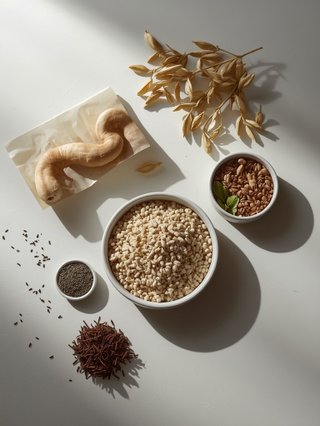
To increase the intake of these valuable components, it is recommended to prioritize minimally processed, plant-based foods. Whole-grain products such as rye bread, oatmeal, and various seeds serve as excellent foundations for a fiber-rich diet. Additionally, incorporating a diverse array of fresh vegetables and fruits ensures a broad spectrum of fiber sources. By focusing on whole, natural foods, one can effectively maximize daily fiber consumption without the need for artificial additives.
Soluble dietary fiber: biochemical mechanisms and evidence-based health benefits
The non-dissolving dietary fiber fraction: composition, physiological roles, and health benefits
Which foods contain the highest dietary fiber content?
Want to apply these guidelines in your daily diet?
Our smart diet generator creates a tailored meal plan in 3 minutes based on the recommendations in this article.
Tags

Alicja Kowalska
• 24.09.2026Diets Premium Expert
Diets Premium team expert. Specializes in nutrition plans, strength sports, and training plans.