Woman and Pregnancy
3 min read
Do the properties of vitamin C actually pose a greater threat in case of excess or deficiency?


1 photo
803
Smart Voice
AI
0:00
0:00
Listen to the article content live
Table of Contents 4
Medical & Editorial Disclaimer (§3 Terms): This article is for informational and educational purposes only, does not constitute medical advice, diagnosis, or treatment, and is used at your own risk. Consult a qualified physician for medical conditions.
Clinical E-Books & Diet Plans:
Explore E-Books & Plans →
Key Takeaways
The human body lacks the ability to synthesize vitamin C, making its consistent acquisition through dietary sources a fundamental requirement for maintaining optimal health. As this essential nutrient is deeply involved in numerous biochemical pathways, understanding its role is vital for anyone looking to support their physical well-being. Prioritizing a diet rich in plant-based foods ensures that the body receives the necessary components to sustain its complex physiological functions effectively.
Physiologically, ascorbic acid serves as a critical antioxidant that protects other vitamins, facilitates hormone secretion, and supports collagen synthesis. While a deficiency can manifest through symptoms like fatigue, joint discomfort, and weakened immune responses, excessive intake through supplementation may also lead to adverse effects, including digestive distress or an increased risk of kidney stone formation. The body's requirement for this nutrient fluctuates significantly based on factors such as physical activity levels, stress, and physiological states like pregnancy, necessitating a balanced approach to intake.
To maintain adequate levels, individuals should focus on incorporating a wide variety of fresh fruits and vegetables into their daily meals, such as citrus fruits, berries, and cruciferous vegetables. Relying on whole, plant-based foods is the most effective strategy for meeting nutritional needs naturally. For those facing specific health challenges or periods of high demand, it is recommended to focus on nutrient-dense food choices and seek professional guidance to ensure that dietary habits align with individual health goals.
The human body possesses the capacity to produce only a restricted number of vitamins, unfortunately vitamin C does not belong to this group. Consequently, it is of paramount importance to acquire it through food. Vitamin C is predominantly found in plant-based products, which serves as a further compelling argument for consuming fruits and vegetables. The recommended daily dosage of vitamin C should range between 30 and 100 mg, depending on the age group and gender. The requirement for vitamin C increases during strenuous physical activity, in stressful circumstances, in cases of gastrointestinal disorders, as well as in pregnant and breastfeeding women.
01 / 04
Characteristics and functions of ascorbic acid
Ascorbic acid, commonly referred to as Vitamin C, is an essential nutrient that plays a pivotal role in numerous biochemical processes within the human body. It is involved in hormone secretion, particularly in reproductive glands, and contributes to amino acid synthesis. Additionally, ascorbic acid protects other vitamins from oxidation and activates folic acid. One of its most critical functions is inhibiting the formation of nitrosoamines – carcinogenic compounds. Vitamin C is vital for the proper absorption of calcium and the transport of iron in the blood. However, these are not all its properties. Other functions include facilitating antibody production, participating in collagen synthesis and maintaining optimal collagen levels, accelerating wound healing and bone fracture recovery, engaging in metabolic processes as an electron carrier, influencing fat, bile acid, and cholesterol metabolism, preventing bleeding, bruising, and gum bleeding, enhancing cardiovascular function and lowering blood pressure, aiding iron absorption, and neutralizing free radicals.
02 / 04
Excessive vitamin C intake
Ascorbic acid, commonly referred to as vitamin C, belongs to the group of water-soluble vitamins, meaning that any surplus is expelled from the body via urine. Nevertheless, studies indicate that consistently exceeding the advised daily intake may facilitate kidney stone development and more frequent urination. While vitamin C is non-toxic to humans, excessive supplementation can lead to adverse effects such as nausea, diarrhea, or skin irritations.
03 / 04
Vitamin C deficiency
Symptoms of vitamin C deficiency include excessive fatigue, joint discomfort, and weakened immune function. This condition is most prevalent among individuals adhering to restrictive diets or engaging in high-intensity physical activity. Prolonged ascorbic acid deficiencies can result in severe health implications, such as compromised immunity, anemia, scurvy characterized by gum bleeding and swelling, capillary fragility, microhemorrhages, disrupted fatty acid metabolism, impaired collagen synthesis, myalgia, and apathetic states.
04 / 04
What components does vitamin C contain?
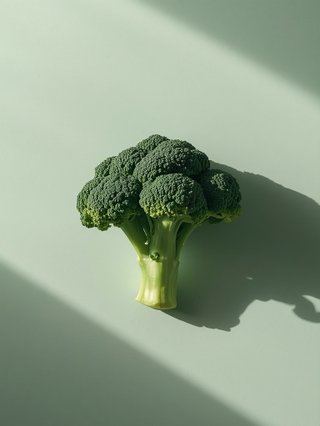
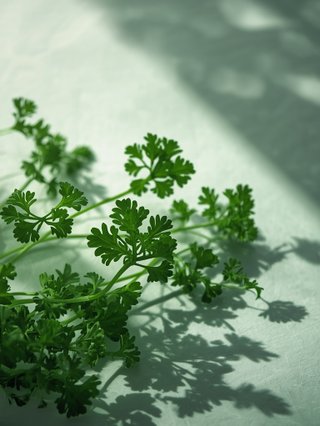
Animal-derived products contain negligible amounts of vitamin C. The primary sources are fresh fruits and vegetables. Notable examples include citrus fruits like lemons, oranges, and grapefruits, as well as melons, apples, pineapples, strawberries, black and red currants, berries, blackberries, blueberries, kiwis. Vegetables such as bell peppers, parsley, potatoes, cabbage, Brussels sprouts, spinach, cauliflower, broccoli, peas, turnips, tomatoes, artichokes, asparagus, and onions also provide significant vitamin C content. Raspberries stand out as an exceptionally rich source of this nutrient.
Meal Plan
Want to apply these guidelines in your daily diet?
Our smart diet generator creates a tailored meal plan in 3 minutes based on the recommendations in this article.
Tags

Wojciech Wiśniewski
• 25.11.2026Diets Premium Expert
Diets Premium team expert. Specializes in nutrition plans, strength sports, and training plans.