Dietary fiber and weight control


Table of Contents 3
Medical & Editorial Disclaimer (§3 Terms): This article is for informational and educational purposes only, does not constitute medical advice, diagnosis, or treatment, and is used at your own risk. Consult a qualified physician for medical conditions.
The functional benefits of dietary fiber stem from its division into soluble and insoluble fractions, each performing distinct protective roles within the body. Insoluble fiber stimulates saliva secretion, enhances intestinal peristalsis, buffers stomach acid, and increases bulk to promote regular bowel movements and reduce the risk of intestinal disorders. Soluble fiber forms a protective gel structure inside the digestive tract, which slows down glucose absorption and tempers insulin release. Furthermore, soluble fractions nourish the beneficial gut microbiota while binding bile acids, lipids, and cholesterol, thereby offering valuable support to the cardiovascular system.
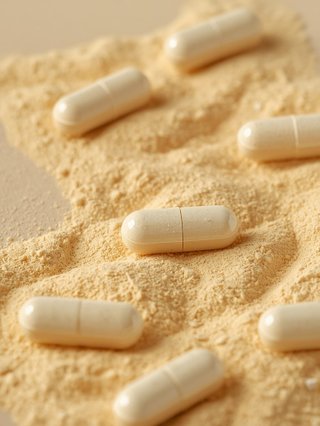
To maximize these physiological advantages, dietary fiber should ideally be obtained from whole food sources rather than isolated supplements or tablets. Whole plant foods rich in fiber deliver a comprehensive matrix of accompanying nutrients that work synergistically to support the body. Incorporating a variety of fiber-dense items into daily meals enhances natural satiety, assists in maintaining a healthy body composition, and promotes long-term gastrointestinal integrity.
Fiber for aiding weight loss
Functions of dietary fibers
Comprehensive Summary
Want to apply these guidelines in your daily diet?
Our smart diet generator creates a tailored meal plan in 3 minutes based on the recommendations in this article.

Laura Schneider
• 25.11.2026Diets Premium Expert
Diets Premium team expert. Specializes in nutrition plans, strength sports, and training plans.