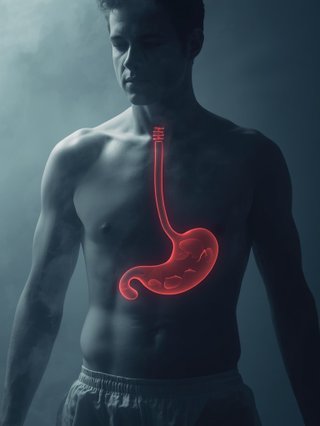
Copenhagen Diet Meal Schedule Template – Complete Plan and Rules


Table of Contents 4
Medical & Editorial Disclaimer (§3 Terms): This article is for informational and educational purposes only, does not constitute medical advice, diagnosis, or treatment, and is used at your own risk. Consult a qualified physician for medical conditions.
The regimen operates on non-negotiable time windows for breakfast, lunch, and dinner, where even a minor deviation such as chewing gum or consuming an unlisted beverage requires immediate termination of the plan. Its cyclical menu revolves around black coffee with a single sugar cube, hard-boiled eggs, steamed spinach, tomatoes, lean beefsteak, ham, green lettuce dressed with olive oil and lemon juice, and plain natural yogurt. From a clinical nutrition perspective, medical experts caution that such an extreme deficit primarily triggers rapid depletion of glycogen reserves, bodily water, and functional lean muscle mass rather than sustainable adipose tissue loss. Documented physiological consequences include severe lethargy, postural dizziness, cognitive fatigue, and a marked downregulation of the basal metabolic rate.
During the course of the protocol, abundant daily hydration with still water and the strict exclusion of salt and extra seasonings are mandatory rules. Should an individual complete this demanding regimen despite clinical warnings, implementing a carefully staged transition phase afterward is vital to mitigate rapid rebound weight gain. Gradually increasing daily energy intake every few days through light vegetable purees, clear broths, and cooked whole grains—while strictly avoiding refined sugars and heavy fatty meals—helps stabilize a starved metabolism and prepares the body for a sustainable, balanced Mediterranean dietary pattern.
The Copenhagen diet (also known as the 13-day Danish diet) is among the most austere caloric-restriction protocols in existence. It demands unwavering adherence to precise meal timings and slashes daily caloric intake to 500–800 kcal. Before embarking on this intense regimen, an understanding of its hourly schedule and biological risks is essential.
Strict hourly schedule and fundamental principles
The Copenhagen diet spans precisely 13 consecutive days – not a day more or less. Any deviation, such as chewing gum or consuming an unlisted beverage, mandates immediate termination of the protocol, which cannot be reattempted for at least two years.
Meals must be consumed within non-negotiable time windows:
- Breakfast: Between 8:00 AM and 9:00 AM,
- Lunch: Between 12:00 PM and 2:00 PM,
- Dinner: Strictly before 5:00 PM–6:00 PM.
Daily consumption of at least 2 liters of still water is mandatory. Salt, seasonings, fats, alcohol, and snacks are strictly forbidden, with only the scheduled sugar cube in morning coffee allowed.
Complete day-by-day meal schedule (Days 1–13)
The Copenhagen diet meal sequence follows a strict cyclical pattern:
- Days 1 and 8: Breakfast: 1 cup black coffee with 1 sugar cube. Lunch: 2 hard-boiled eggs, steamed spinach (100 g), 1 tomato. Dinner: 200 g lean beefsteak, 5 lettuce leaves with 1 tbsp olive oil and lemon juice.
- Days 2 and 9: Breakfast: 1 cup black coffee with 1 sugar cube. Lunch: 200 g lean beefsteak, green salad with olive oil. Dinner: 100 g lean ham, 2/3 cup natural plain yogurt.
- Days 3 and 10: Breakfast: 1 cup black coffee with 1 sugar cube, 1 slice dry toast. Lunch: steamed spinach, 1 tomato, 1 fresh fruit. Dinner: 2 hard-boiled eggs, 100 g lean ham, green salad with olive oil.
- Days 4 and 11: Breakfast: 1 cup black coffee with 1 sugar cube. Lunch: 1 hard-boiled egg, 1 grated carrot, 100 g cottage cheese. Dinner: unsweetened fruit salad, 2/3 cup natural yogurt.
- Days 5 and 12: Breakfast: 1 large grated carrot with fresh lemon juice. Lunch: 300 g steamed white fish (e.g., cod) with lemon. Dinner: 200 g beefsteak, green salad, steamed broccoli.
- Days 6 and 13: Breakfast: 1 cup black coffee with 1 sugar cube, 1 slice toast. Lunch: grilled skinless chicken breast, lettuce with olive oil and lemon. Dinner: 2 hard-boiled eggs, 1 large raw grated carrot.
- Day 7: Breakfast: 1 cup unsweetened herbal or black tea. Lunch: 150 g grilled chicken breast, 1 fresh fruit. Dinner: NO FOOD permitted (water only).
Health risks and clinical dietitian verdict
Clinical nutritionists and medical experts universally characterize the Copenhagen diet as hazardous. The drastic deficit induces rapid depletion of glycogen, water, and functional lean muscle mass rather than meaningful adipose reduction.
Primary physiological complications include:
- Severe lethargy, postural dizziness, syncope, and cognitive impairment,
- Metabolic downregulation (lowered basal metabolic rate), rendering post-diet rebound weight gain (yo-yo effect) virtually unavoidable,
- Critical deficits in B-complex vitamins, potassium, magnesium, and calcium, predisposing patients to cardiac arrhythmias,
- Severe constipation and microbiome disruption attributable to negligible dietary fiber.
The diet is contraindicated for anyone with renal, cardiovascular, or metabolic conditions, as well as adolescents and expectant mothers.
Safely transitioning off the diet to prevent the yo-yo effect
Should an individual conclude the 13-day ordeal despite health warnings, a carefully staged reverse-dieting phase is vital:
- Daily caloric intake must be increased incrementally by 100–150 kcal every 3 to 4 days, initially emphasizing light vegetable purees, broths, and cooked whole grains.
- Refined sugars, fast food, and heavy fatty meals must be avoided entirely, as the hyper-efficient, starved metabolism will immediately store any excess as adipose tissue.
- Transitioning to a balanced Mediterranean or DASH nutritional lifestyle paired with consistent physical exercise represents the only sustainable pathway to long-term health and weight stability.
Want to apply these guidelines in your daily diet?
Our smart diet generator creates a tailored meal plan in 3 minutes based on the recommendations in this article.
Tags

mgr Max Müller
• 25.11.2026Diets Premium Expert
Diets Premium team expert. Specializes in nutrition plans, strength sports, and training plans.