Sweet basil – medicinal and therapeutic properties. Basil oil
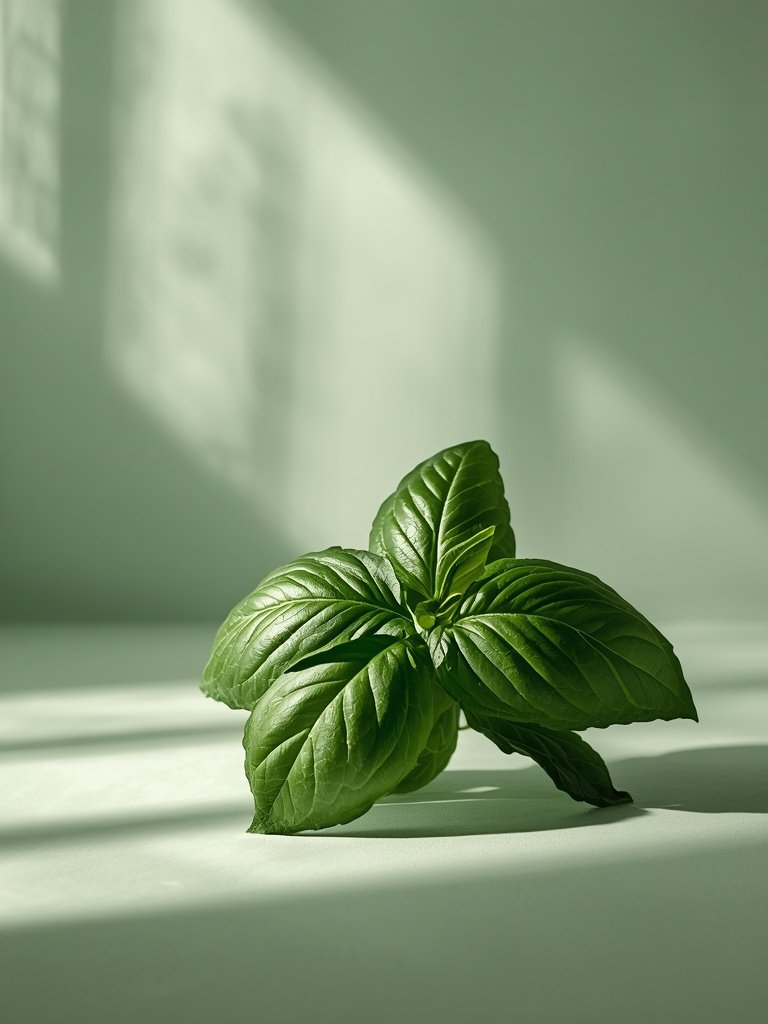
Table of Contents 4
Medical & Editorial Disclaimer (§3 Terms): This article is for informational and educational purposes only, does not constitute medical advice, diagnosis, or treatment, and is used at your own risk. Consult a qualified physician for medical conditions.
The therapeutic actions of basil stem from a rich blend of volatile bioactive compounds stored within specialized plant tissues. When consumed, these compounds help stimulate the secretion of digestive fluids, including saliva, gastric juice, pancreatic enzymes, and bile, thereby supporting efficient metabolic processes. Furthermore, basil essential oil, obtained through steam distillation, exhibits pain-relieving, anti-inflammatory, and immunomodulatory characteristics. The article also addresses important safety considerations regarding herb usage during pregnancy, emphasizing a cautious approach when selecting botanical products during maternal care.
Incorporating basil into daily meals serves as an accessible way to support gut health while enhancing culinary enjoyment. The extracted essential oil offers versatile applications in aromatherapy and complementary self-care practices to promote relaxation and relief. When utilizing basil or its concentrated extracts for specific health targets, individuals are encouraged to prioritize quality sources and seek professional medical guidance when navigating pregnancy or underlying health conditions.
Sweet Basil (Ocimum basilicum L.) – Botanical Profile and Practical Applications
Therapeutic applications of common basil and its impact on human health
The safety of basil consumption during pregnancy: key considerations
Basil essential oil: biochemical composition, pharmacological properties, and evidence-based applications in aromatherapy and complementary medicine
Want to apply these guidelines in your daily diet?
Our smart diet generator creates a tailored meal plan in 3 minutes based on the recommendations in this article.
Tags

Literatura: Nurzyńska – Wierdak Renata, “Ocimum basilicum L. – wartościowa roślina przyprawowa, lecznicza i olejkodajna. Praca przeglądowa,” Ann. Univ. Mariae Curie- Skłodowska , vol. XXII, no. 1, 2012. M. Kanlayavattanakul and N. Lourith, “Therapeutic agents and herbs in topical application for acne treatment,” Int. J. Cosmet. Sci. , vol. 33, no. 4, pp. 289–297, Aug. 2011. H. El-Beshbishy and S. Bahashwan, “Hypoglycemic effect of basil ( Ocimum basilicum ) aqueous extract is mediated through inhibition of α-glucosidase and α-amylase activities,” Toxicol. Ind. Health , vol. 28, no. 1, pp. 42–50, Feb. 2012. Wójscik- Stopczyńska Barbara and Jakowienko Paulina, “Bazylia pospolita- naturalna bariera antyolsydacyjna,” Panacea , vol. 4, no. 33, pp. 20–23, 2010. Shinde Poonam, Patil Pankaj, and Bairagi Vinod, “HERBS IN PREGNANCY AND LACTATION: A REVIEW APPRAISAL,” Int J Pharm Res Sci. , vol. 3, no. 9, pp. 3001–3006, 2012. M. Wyszkowska-Kolatko, P. Koczurkiewicz, and K. Wójcik, “Rośliny lecznicze w terapii chorób skóry,” Postępy Fitoter. , vol. 3, 2015. W. S. Brud and I. Konopacka, Pachnąca apteka : tajemnice aromaterapii . Oficyna Wydawnicza MA, 2008. K. Dzida, “BIOLOGICAL VALUE AND ESSENTIAL OIL CONTENT IN SWEET BASIL (Ocimum basilicum L.) DEPENDING ON CALCIUM FERTILIZATION AND CULTIVAR,” Acta Sci. Pol. Hortorum Cultus , vol. 9, no. 4, pp. 153–161, 2010.
Diets Premium Expert
Diets Premium team expert. Specializes in nutrition plans, strength sports, and training plans.