Chronic ankle instability
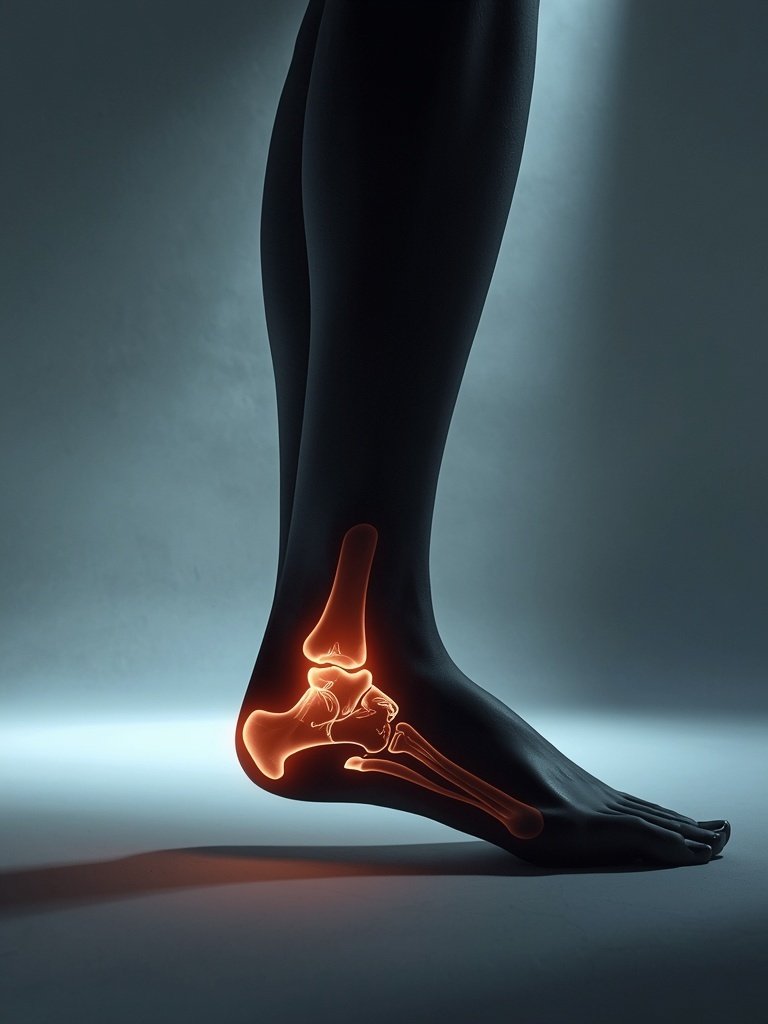
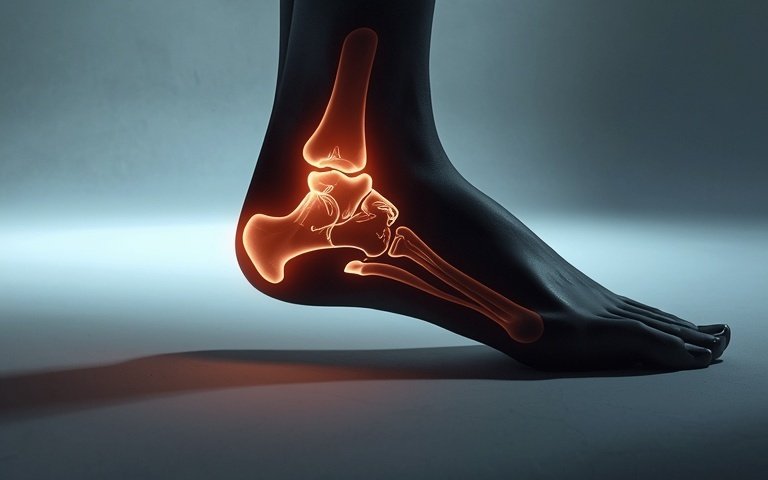
Table of Contents 3
Medical & Editorial Disclaimer (§3 Terms): This article is for informational and educational purposes only, does not constitute medical advice, diagnosis, or treatment, and is used at your own risk. Consult a qualified physician for medical conditions.
From a physiological perspective, this instability involves both mechanical laxity and sensory deficits. Excessive strain or incomplete healing of ligamentous structures can compromise the physical integrity of the joint, while disruptions to the proprioceptive system impair the body's unconscious ability to perceive joint position and modulate protective muscle tension. Furthermore, current scientific literature indicates a lack of definitive clinical consensus regarding whether surgical intervention offers superior or faster functional restoration compared to comprehensive physical therapy.
In daily practice, adopting a proactive conservative rehabilitation strategy under professional guidance serves as a practical pillar for joint care. Engaging in targeted functional exercises helps strengthen the surrounding musculature to provide crucial biomechanical support around the compromised joint. Incorporating neuromuscular coordination and dynamic balance training can further support endurance and synchronize the function of anatomical structures during everyday locomotion.
Could this truly be chronic ankle instability? Underlying mechanisms and causative factors
Therapeutic approaches for chronic ankle joint instability: from conservative rehabilitation to surgical interventions
Surgical intervention versus physical therapy in ankle joint instability: an evidence-based comparison and clinical guidance
Want to apply these guidelines in your daily diet?
Our smart diet generator creates a tailored meal plan in 3 minutes based on the recommendations in this article.

Kacper Nowak
• 25.11.2026Diets Premium Expert
Diets Premium team expert. Specializes in nutrition plans, strength sports, and training plans.