Choline (a substance resembling vitamin B4) - function, products, occurrence


Table of Contents 4
Medical & Editorial Disclaimer (§3 Terms): This article is for informational and educational purposes only, does not constitute medical advice, diagnosis, or treatment, and is used at your own risk. Consult a qualified physician for medical conditions.
From a physiological perspective, choline serves as an indispensable precursor for synthesizing acetylcholine, a key neurotransmitter that governs cognitive performance, memory retention, circadian rhythms, and muscle contraction. Additionally, the body relies on choline to produce critical structural phospholipids, specifically phosphatidylcholine—commonly known as lecithin—and sphingomyelin, which form the protective membranes of cells. Within hepatic metabolism, choline facilitates the transport of triglycerides from the liver to help maintain normal liver function, and physiological requirements for this nutrient increase significantly during pregnancy and lactation.
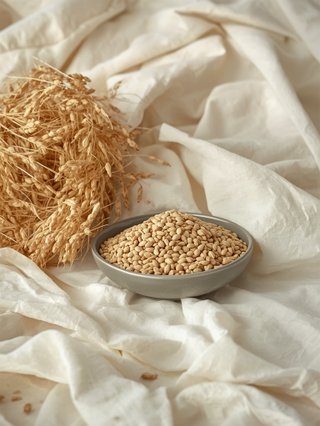
Incorporating choline into a balanced daily diet is highly achievable through whole foods, with the richest animal-derived sources including egg yolks, beef liver, chicken liver, and wild-caught fish such as salmon and cod. Those following a plant-based lifestyle can obtain meaningful amounts from soybeans, edamame, wheat germ, broccoli, cauliflower, peanuts, and almonds. Furthermore, various standalone or multi-ingredient dietary supplements are available on the market, offering convenient nutritional support for normal lipid metabolism and nervous system function alongside a wholesome diet.
Choline (vitamin B4)
It's the choline
Cholina is performing
Choline is a preparation
Want to apply these guidelines in your daily diet?
Our smart diet generator creates a tailored meal plan in 3 minutes based on the recommendations in this article.
Tags

Isabella Taylor
• 25.11.2026Diets Premium Expert
Diets Premium team expert. Specializes in nutrition plans, strength sports, and training plans.