Cholesterol - HDL, LDL, normy... How to lower cholesterol levels?

Table of Contents 6
Medical & Editorial Disclaimer (§3 Terms): This article is for informational and educational purposes only, does not constitute medical advice, diagnosis, or treatment, and is used at your own risk. Consult a qualified physician for medical conditions.
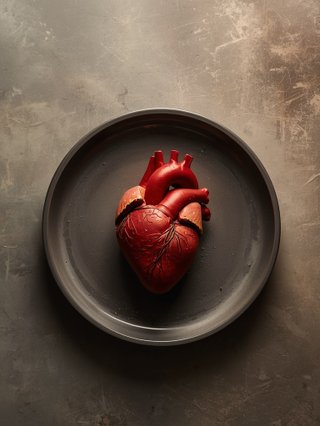
The physiological transport of cholesterol involves different lipoproteins with distinct roles in the vascular system. High-density lipoproteins act as a protective mechanism by carrying unused cholesterol back to the liver and reducing vascular inflammation. Conversely, low-density lipoproteins transport cholesterol from the liver to peripheral tissues, where an excess can contribute to the buildup of deposits in arterial walls. Additionally, very low-density lipoproteins are synthesized in the liver, a process influenced by the intake of proteins and carbohydrates, highlighting the metabolic link between diet and blood chemistry.
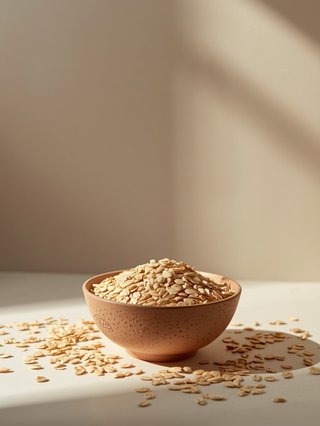
Practical strategies for optimizing lipid levels focus on nutritional adjustments, such as increasing soluble fiber from oats and legumes while prioritizing cardioprotective fatty acids. Reducing the intake of saturated and trans fats is equally important for vascular integrity. Consistent aerobic exercise further supports healthy blood profiles, and when lifestyle modifications are not enough, evidence-based clinical interventions can provide the necessary support to ensure long-term heart health.
Cholesterol
Cholesterol of HDL
Cholesterol in the blood
Cholesterol is normal
Is your cholesterol good or bad?
How do you lower your cholesterol?
Want to apply these guidelines in your daily diet?
Our smart diet generator creates a tailored meal plan in 3 minutes based on the recommendations in this article.

Isabella Taylor
• 25.11.2026Diets Premium Expert
Diets Premium team expert. Specializes in nutrition plans, strength sports, and training plans.