Stroke - Nutritional therapy


Table of Contents 2
Medical & Editorial Disclaimer (§3 Terms): This article is for informational and educational purposes only, does not constitute medical advice, diagnosis, or treatment, and is used at your own risk. Consult a qualified physician for medical conditions.
The underlying triggers of stroke range from chronic arterial hypertension and traumatic brain injuries to aneurysm ruptures and underlying coagulopathies. These pathophysiological pathways precipitate either ischemic injury or intracerebral hemorrhage. A major clinical challenge following such events is swallowing dysfunction and a diminished cough reflex, which impair safe oral intake and serve as primary drivers of post-stroke malnutrition. Clinical management often necessitates temporary enteral nutrition via a nasogastric tube using specialized liquid formulas before a safe, phased transition back to oral food intake can occur.
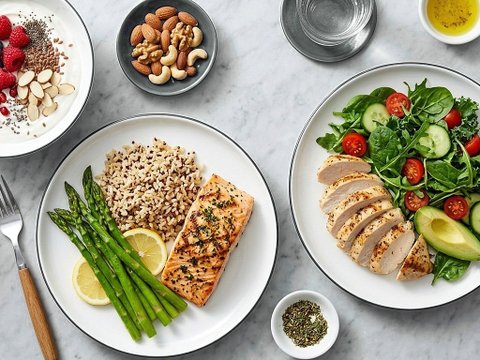
Practical management centers on personalized dietary adjustments tailored to the individual's functional swallowing capacity. Collaborating with healthcare professionals ensures proper texture modifications, minimizing aspiration risks while securing adequate nutrient delivery. Emphasizing a cardio-supportive diet alongside a healthy lifestyle provides fundamental support for vascular integrity, helping to mitigate secondary cardiovascular risks and promoting overall systemic recovery.
The etiologic foundations of cerebrovascular accidents: primary triggers and pathophysiological pathways
Post-stroke nutritional management: transitioning from tube feeding to optimized oral nutrition
Want to apply these guidelines in your daily diet?
Our smart diet generator creates a tailored meal plan in 3 minutes based on the recommendations in this article.
Tags

mgr Literatura:
Diets Premium Expert
Diets Premium team expert. Specializes in nutrition plans, strength sports, and training plans.