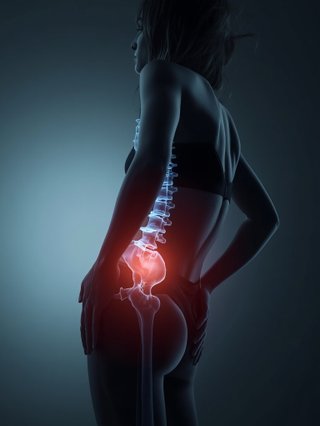
Cartilage damage in a joint
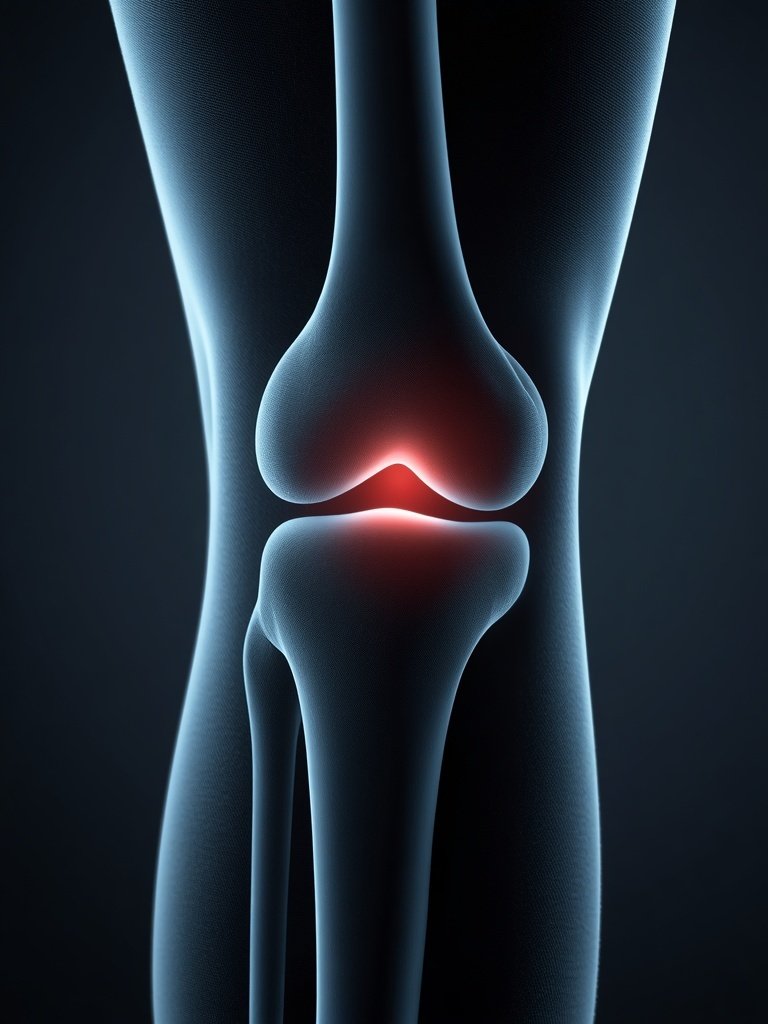
Table of Contents 3
Medical & Editorial Disclaimer (§3 Terms): This article is for informational and educational purposes only, does not constitute medical advice, diagnosis, or treatment, and is used at your own risk. Consult a qualified physician for medical conditions.
The article outlines the underlying causes and clinical presentation of meniscal damage, which frequently co-occurs with tears of the anterior cruciate ligament. These severe traumas typically result from substantial mechanical force impacting structures already compromised by cumulative microtraumas. Key clinical indicators extend beyond local pain to include sharp catching sensations within the joint and a marked reduction in flexion, often triggered by rotational movement while the knee is slightly bent.
Effective recovery relies on a phased therapeutic approach. Immediate post-injury management centers on protection, rest, ice application, compression, and elevation, paired with topical anti-inflammatory support. Subsequent rehabilitation incorporates targeted manual therapy techniques, balance and proprioceptive training, progressive resistance exercises, and strategic stretching regimens to promote joint stability and safe movement restoration.
Causes and mechanisms of meniscal injury in the knee joint – concurrent occurrence with anterior cruciate ligament (ACL) tears
Critical indicators of meniscal injury: Recognizing symptoms and appropriate response
Therapeutic approaches for knee structure injuries and post-traumatic rehabilitation strategies
Want to apply these guidelines in your daily diet?
Our smart diet generator creates a tailored meal plan in 3 minutes based on the recommendations in this article.

Olivia Davis
• 25.11.2026Diets Premium Expert
Diets Premium team expert. Specializes in nutrition plans, strength sports, and training plans.