Cardiovascular preparation - an extraordinary method


Table of Contents 4
Medical & Editorial Disclaimer (§3 Terms): This article is for informational and educational purposes only, does not constitute medical advice, diagnosis, or treatment, and is used at your own risk. Consult a qualified physician for medical conditions.
Across its chapters, the article examines how endurance exercises can be performed in a fitness room using equipment such as a treadmill, stationary bike, stepper, or elliptical trainer, as well as through swimming, home workouts, or outdoor activities. From a physiological perspective, the core mechanism involves sustaining a steady, moderate heart rate zone tailored to one's age-adjusted maximum pulse, which can often be tracked using built-in heart rate monitors on gym machines. Over several weeks of consistent practice, aerobic conditioning can support heart muscle function, enhance blood flow, stimulate metabolic processes, and assist in reducing body fat mass.
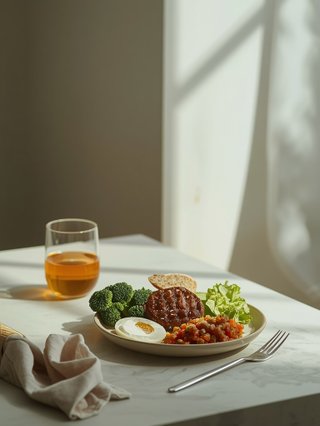
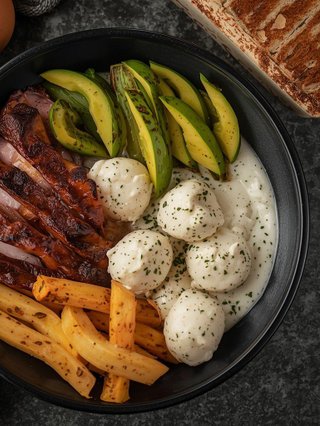
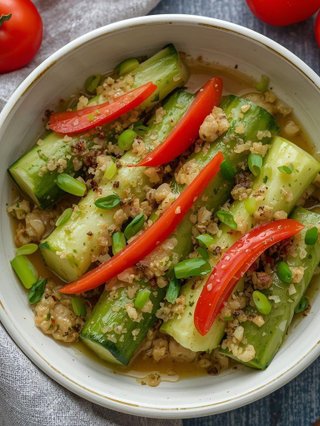
To translate these insights into daily practice, beginners are encouraged to seek initial guidance from a qualified trainer, wear appropriate athletic footwear, and always start with a thorough warm-up to help prevent injuries. Maintaining proper hydration throughout the day and during exercise is equally vital to replenish lost fluids and prevent dehydration. Finally, because lasting physical adaptations depend on holistic recovery, endurance training should be paired with a balanced diet supplying high-quality proteins, fats, and carbohydrates alongside sufficient restful sleep.
What are cardiovascular exercises?
Cardiovascular training in the workout room
Cardio for beginners
Outcomes of cardio training
Want to apply these guidelines in your daily diet?
Our smart diet generator creates a tailored meal plan in 3 minutes based on the recommendations in this article.
Tags

Kacper Nowak
• 25.11.2026Diets Premium Expert
Diets Premium team expert. Specializes in nutrition plans, strength sports, and training plans.