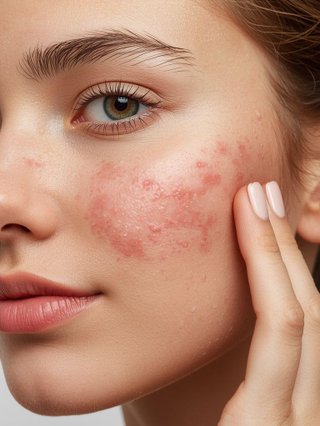
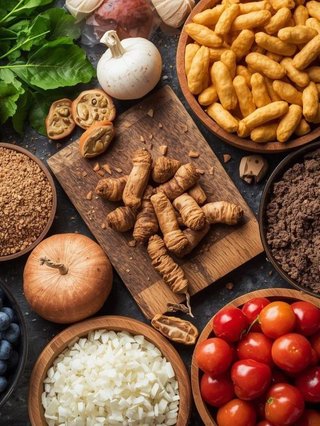
Can soy cause harm? Thoughtful considerations


Table of Contents 3
Medical & Editorial Disclaimer (§3 Terms): This article is for informational and educational purposes only, does not constitute medical advice, diagnosis, or treatment, and is used at your own risk. Consult a qualified physician for medical conditions.
Physiologically, the article highlights the role of soy isoflavones, which function as phytoestrogens due to their structural similarity to human estrogen. These polyphenols offer significant antioxidant properties but may also interfere with thyroid enzyme activity in certain contexts, particularly in individuals with existing deficiencies. Furthermore, the text delves into the nature of soy as a primary allergen, noting that its allergenic proteins are heat-stable, meaning they persist through various manufacturing processes and can trigger significant immune responses in sensitive individuals.
Practical guidance suggests focusing on high-quality, minimally processed soy products to maximize nutritional benefits while minimizing potential risks. Individuals with thyroid concerns or known sensitivities should prioritize variety in their protein sources and monitor their physiological responses. By choosing traditionally prepared or fermented options, consumers can integrate soy into their diet in a way that aligns with their personal health goals and supports overall systemic balance without relying on highly refined industrial substitutes.
Association between soy consumption and male fertility
Soybean and its influence on thyroid function
Soy-induced hypersensitivity
Want to apply these guidelines in your daily diet?
Our smart diet generator creates a tailored meal plan in 3 minutes based on the recommendations in this article.

mgr David Janitzek
• 25.11.2026Diets Premium Expert
Diets Premium team expert. Specializes in nutrition plans, strength sports, and training plans.