Body composition groups
Table of Contents 4
Medical & Editorial Disclaimer (§3 Terms): This article is for informational and educational purposes only, does not constitute medical advice, diagnosis, or treatment, and is used at your own risk. Consult a qualified physician for medical conditions.
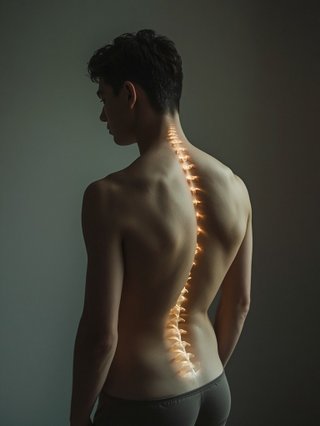
The mechanisms underlying these dysfunctions are multifaceted. They involve the concurrent weakening of certain muscle groups alongside the hypertonicity of their functional antagonists. Specific patterns, such as the upper crossed syndrome, affect the neck and shoulder region, characterized by a forward head carriage and a rounded upper back. Similarly, the lower crossed syndrome manifests in the lumbopelvic region through malalignment of the lumbopelvic complex.
Effective management of these postural deviations necessitates a comprehensive, multidimensional diagnostic assessment to differentiate postural syndromes from other pathological conditions. Practically, this means that therapy must aim to eradicate the underlying cause rather than merely providing symptomatic relief. A conscious focus on ergonomic habits in daily life and the targeted strengthening of stabilizing musculature are crucial steps toward improving posture.
Postural dysfunctions: Definition, underlying mechanisms, and consequences of musculoskeletal imbalances
Upper crossed syndrome (cervicobrachial postural dysfunction)
Lower crossed syndrome: A postural dysfunction of the lumbopelvic region
Comprehensive diagnostic assessment and holistic rehabilitation of postural disorders and myofascial syndromes
Want to apply these guidelines in your daily diet?
Our smart diet generator creates a tailored meal plan in 3 minutes based on the recommendations in this article.
Tags

mgr Mateusz Pawlak
• 25.11.2026Diets Premium Expert
Diets Premium team expert. Specializes in nutrition plans, strength sports, and training plans.