Basil - medicinal herb, varieties and therapeutic use
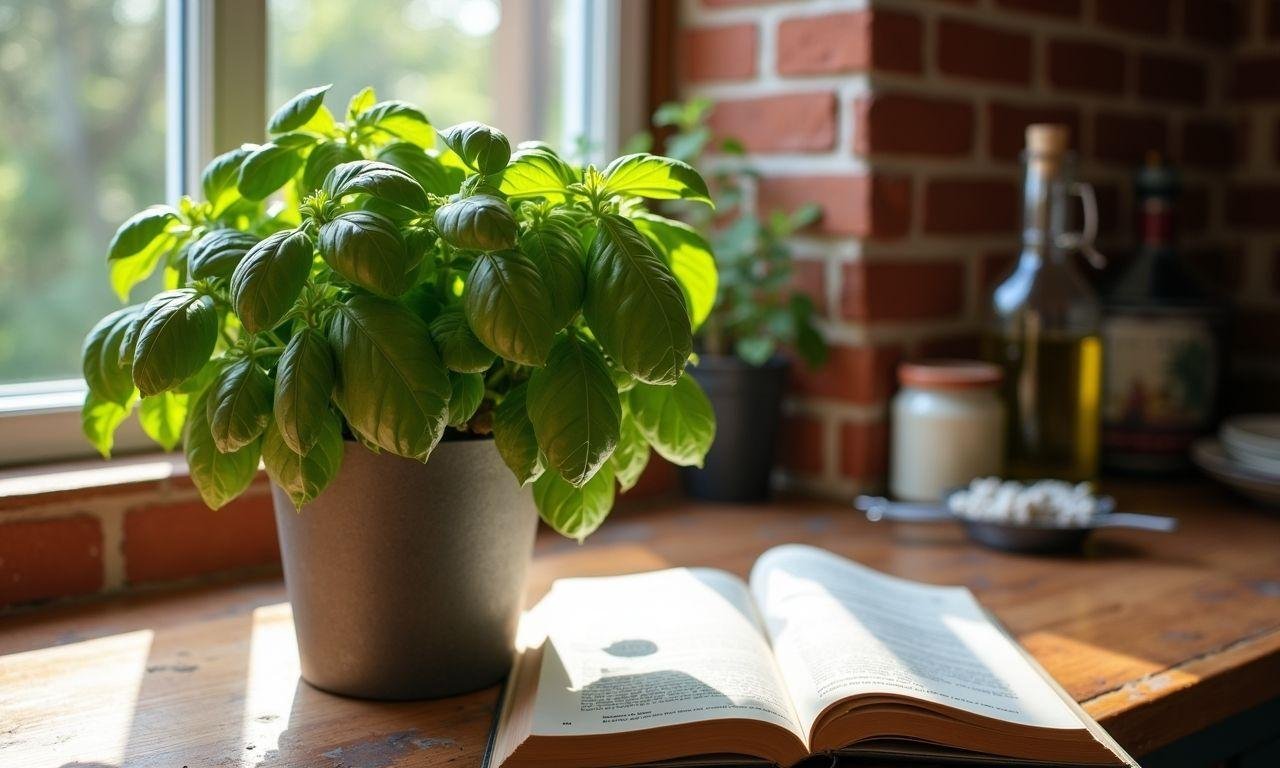

Table of Contents 4
Medical & Editorial Disclaimer (§3 Terms): This article is for informational and educational purposes only, does not constitute medical advice, diagnosis, or treatment, and is used at your own risk. Consult a qualified physician for medical conditions.
The physiological benefits of basil stem from its rich concentration of essential oils, alongside crucial secondary plant metabolites such as saponins, tannins, alkaloids, flavonoids, terpenoids, and polyphenols. These volatile substances stimulate the olfactory system and exhibit positive effects on the digestive and cardiovascular systems. By gently irritating digestive mucous membranes, basil components help improve gastrointestinal motility and naturally encourage appetite. Furthermore, its potent antioxidant profile provides valuable nutritional support for individuals undergoing intensive clinical treatments or managing complex chronic health challenges.
Incorporating fresh basil into daily meal preparation offers an accessible strategy to elevate both flavor and nutritional density without relying on artificial additives. Successful cultivation requires bright indirect light, protection from harsh winds, and consistently moist, well-drained soil. Regularly adding fresh basil leaves to meals delivers a steady supply of protective plant compounds that support digestive comfort and overall vitality.
Basil variations
Basil cultivation - Advice and Recommendations
Basil - active components
Basil – medicinal constituents and applications
Want to apply these guidelines in your daily diet?
Our smart diet generator creates a tailored meal plan in 3 minutes based on the recommendations in this article.

mgr Tomasz Jankowski
• 25.11.2026Diets Premium Expert
Diets Premium team expert. Specializes in nutrition plans, strength sports, and training plans.