Barbell shrugs


Table of Contents 5
Medical & Editorial Disclaimer (§3 Terms): This article is for informational and educational purposes only, does not constitute medical advice, diagnosis, or treatment, and is used at your own risk. Consult a qualified physician for medical conditions.
From a biomechanical standpoint, lowering a barbell behind the head forces the elbows backward into an extreme plane of motion, placing substantial stress on the shoulder joints and rotator cuff tendons. The article explains that using a slightly wider grip prevents the forearms from remaining strictly perpendicular during the lift, which helps ease the mechanical strain on the rotators as the bar descends toward ear level. Furthermore, performing the press in a seated position against a backrest minimizes the involvement of core stabilizers and allows total focus on the shoulders, whereas standing requires reduced weight to accommodate trunk stabilization.
To practice this movement safely, trainees should avoid overly rapid or jerky repetitions and instead lift the bar at a moderate, controlled pace that keeps the target muscles under steady tension. Beginners are advised to prioritize proper form with lighter weights, while those handling heavier loads should rely on a spotter for assistance and consider wearing a supportive belt to protect the lower back. Individuals with limited shoulder mobility or a history of joint discomfort should approach behind-the-neck pressing with caution and consult a qualified trainer to ensure safe execution.
Correct Method for Pressing the Bar Behind the Neck
Guaranteeing Safety during Bar Pulling
Most commonly committed mistakes
Variants of "Minus"
Is it better to sit or stand?
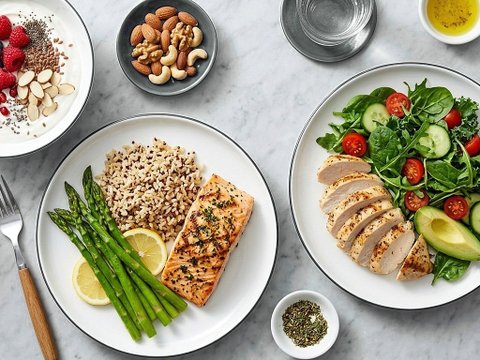
Want to apply these guidelines in your daily diet?
Our smart diet generator creates a tailored meal plan in 3 minutes based on the recommendations in this article.

Laura Schneider
• 25.11.2026Diets Premium Expert
Diets Premium team expert. Specializes in nutrition plans, strength sports, and training plans.