Allergic reaction to cow's milk protein in children – nutritional deficiencies and nutrition
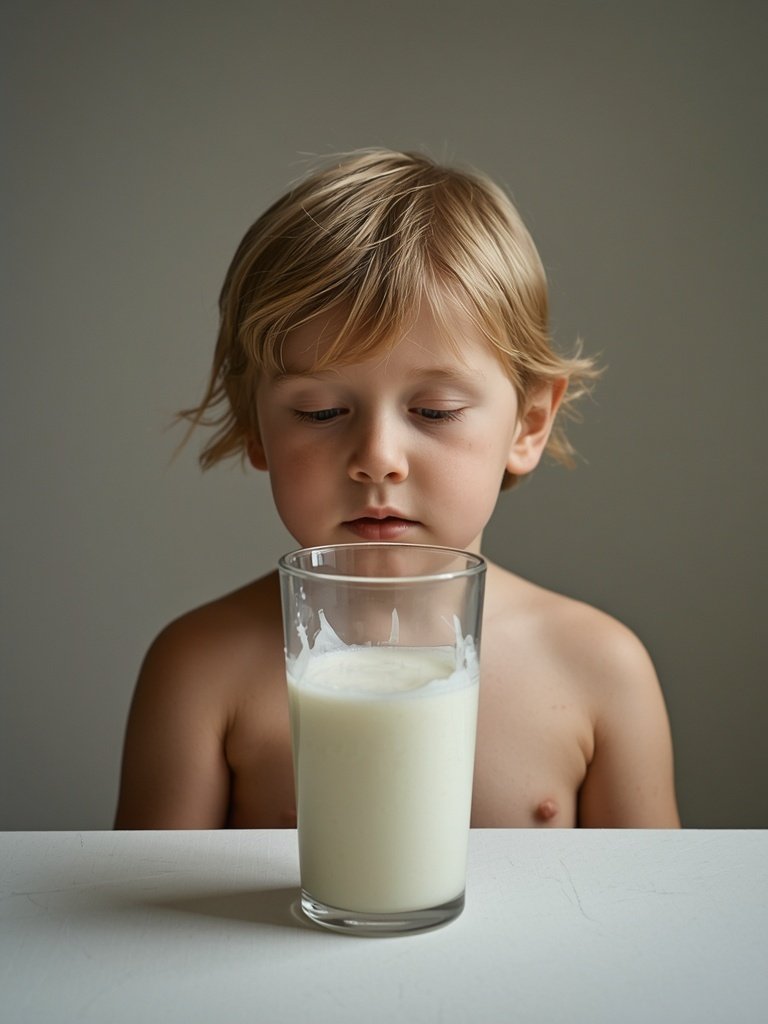

Table of Contents 3
Medical & Editorial Disclaimer (§3 Terms): This article is for informational and educational purposes only, does not constitute medical advice, diagnosis, or treatment, and is used at your own risk. Consult a qualified physician for medical conditions.
The article examines how the initial clinical signs of this immunologically mediated hypersensitivity often appear in the early months of life. Furthermore, it highlights the critical role of nutrition during a period of intense development, when the infant's body has an elevated demand for high-quality nutrients. A confirmed diagnosis of cow's milk protein allergy therefore necessitates careful attention to nutritional balance.
The cornerstone of managing this allergy is an evidence-based elimination diet that avoids all sources of bovine milk proteins. For breastfeeding mothers, a dairy-free maternal diet is suggested to confirm symptom resolution, while targeted supplementation with calcium, vitamin D, and omega-three fatty acids is also recommended.
Cow’s milk protein hypersensitivity in infants and toddlers: clinical manifestations, diagnostic approaches, and management strategies
Dietary inadequacies in infants and young children with cow’s milk protein allergy: A comprehensive examination of critical nutrient deficiencies and their developmental impact during the first 1000 days of life
The diet of a baby with a milk allergy
The cornerstone of managing Cow's Milk Protein Allergy (CMPA) is an evidence-based elimination diet that strictly excludes all sources of bovine milk proteins. For exclusively breastfed infants, the mother should follow a diagnostic dairy-free maternal elimination diet for 2 to 6 weeks to confirm clinical symptom resolution, maintained subsequently if CMPA is confirmed. Maternal supplementation with calcium, vitamin D, and omega-3 docosahexaenoic acid (DHA) is strongly recommended under clinical supervision.
For formula-fed infants, specialized therapeutic formulas are prescribed: extensively hydrolyzed formulas (eHF, casein- or whey-based), or in severe anaphylactic or gastrointestinal presentations, free amino acid-based formulas (AAF). Milk from other ruminants (goat, sheep, or camel) is contraindicated due to pronounced immunological cross-reactivity and inadequate electrolyte and micronutrient balance.
In older children, dairy exclusion demands rigorous label inspection to detect hidden sources of milk proteins, including casein, caseinates, whey protein concentrate, lactalbumin, and non-fat milk solids. In severe presentations, beef and veal may also require temporary elimination, as approximately 10% of children with CMPA exhibit concurrent bovine serum albumin reactivity.
Because eliminating dairy creates vulnerability to nutritional deficiencies, wholesome compensatory food sources must be integrated:
- Protein: Poultry, turkey, rabbit, fish, eggs (if tolerated), and legumes (lentils, chickpeas, beans).
- Calcium: Fortified plant milks, sesame seeds (tahini), poppy seeds, egg yolks, kale, fresh parsley, canned sardines with bones, and almonds.
- Phosphorus: Buckwheat groats, whole oats, pumpkin and sunflower seeds, and fish.
- Vitamins A, D, and B-Complex (B2, B5, B12): Egg yolks, marine fish, fortified grains, and personalized pediatric vitamin D supplementation.
- DHA Fatty Acids: Cold-water fatty fish or algae-derived algal DHA supplements.
Fortunately, the vast majority of children outgrow CMPA by age 3 to 5. Consequently, supervised oral food challenges should be scheduled every 6 to 12 months under pediatric allergist guidance to avoid unnecessary dietary restriction once immunological tolerance develops.
Want to apply these guidelines in your daily diet?
Our smart diet generator creates a tailored meal plan in 3 minutes based on the recommendations in this article.

Kacper Nowak
• 25.11.2026Diets Premium Expert
Diets Premium team expert. Specializes in nutrition plans, strength sports, and training plans.