Alfalfa (Medicago sativa) – medicinal properties, biochemical profile, and use of sprouts in the diet

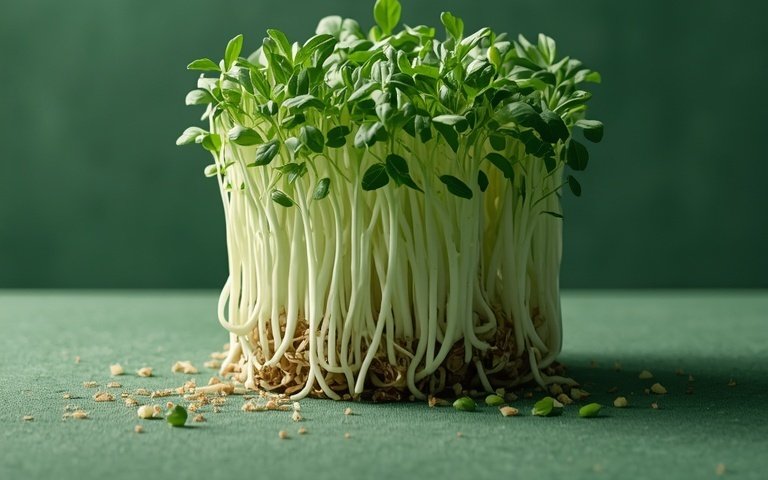
Table of Contents 3
Medical & Editorial Disclaimer (§3 Terms): This article is for informational and educational purposes only, does not constitute medical advice, diagnosis, or treatment, and is used at your own risk. Consult a qualified physician for medical conditions.
From a physiological perspective, alfalfa is rich in saponins, chlorophyll, and vitamins that contribute to metabolic health. The presence of phytosterols helps in managing cholesterol levels, while vitamin K plays a crucial role in maintaining skeletal integrity and supporting healthy blood coagulation. Furthermore, the alkaline mineral salts found in the plant assist in balancing systemic acidity, promoting a more favorable internal environment.
In daily nutrition, alfalfa sprouts are particularly beneficial as the germination process significantly increases the bioavailability of enzymes and antioxidants. These sprouts add a crisp, nutty flavor to various dishes like salads and wraps. It is essential to rinse them thoroughly before consumption to ensure safety. Individuals diagnosed with systemic lupus erythematosus should avoid consuming raw alfalfa sprouts due to the presence of specific compounds that may be contraindicated for their condition.
Alfalfa (Medicago sativa) is a perennial leguminous herb of the Fabaceae family celebrated for an extensive root architecture penetrating up to ten meters into deep soil horizons. This subterranean reach enables alfalfa to absorb rare trace minerals, cementing its historical reputation as a revitalizing, nourishing, and detoxifying botanical superfood.
Botanical Profile and Nutrient Density of Medicago sativa
Alfalfa is a perennial herbaceous legume displaying clusters of violet blossoms and trifoliate leaves. Associating symbiotically with nitrogen-fixing rhizobia, it accumulates dense concentrations of vegetable protein.
Botanically, it serves as an abundant source of vitamin K, vitamin C, carotenoids, and B-complex vitamins, alongside bioavailable minerals: calcium, magnesium, phosphorus, iron, and silica. In addition, it harbors significant fractions of phytosterols and chlorophyll.
Phytotherapeutic Actions: Phytosterols, Saponins, and Vitamin K
Scientific investigations validate significant clinical actions for alfalfa:
- Cholesterol regulation – triterpenoid saponins bind luminal cholesterol in the intestines, impeding uptake and enhancing fecal excretion of atherogenic LDL;
- Hemostasis and skeletal integrity – concentrated vitamin K maintains physiological blood coagulation and carboxylates osteocalcin for bone density;
- Alkalinizing and detoxifying attributes – alkaline mineral salts and chlorophyll counterbalance systemic metabolic acidity.
Alfalfa Sprouts in Daily Nutrition – Enzymes, Antioxidants, and Safety
Alfalfa sprouts represent an exceptional living food. Germination dramatically activates endogenous digestive enzymes, multiplying antioxidant bioavailability.
With a crisp, mild, nutty profile, sprouts elevate salads, sandwiches, and wraps. Safety note: Always rinse sprouts thoroughly under potable water. Because alfalfa contains canavanine, individuals diagnosed with systemic lupus erythematosus (SLE) should avoid high consumption of raw alfalfa sprouts.
Want to apply these guidelines in your daily diet?
Our smart diet generator creates a tailored meal plan in 3 minutes based on the recommendations in this article.

mgr Emilia Szymańska
• 25.11.2026Diets Premium Expert
Diets Premium team expert. Specializes in nutrition plans, strength sports, and training plans.