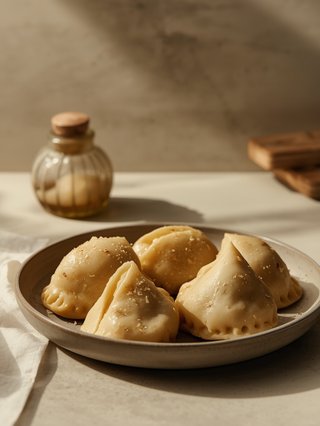
Wholemeal rye pasta (type 720) – nutritional values, low glycemic index, and benefits for the microbiota
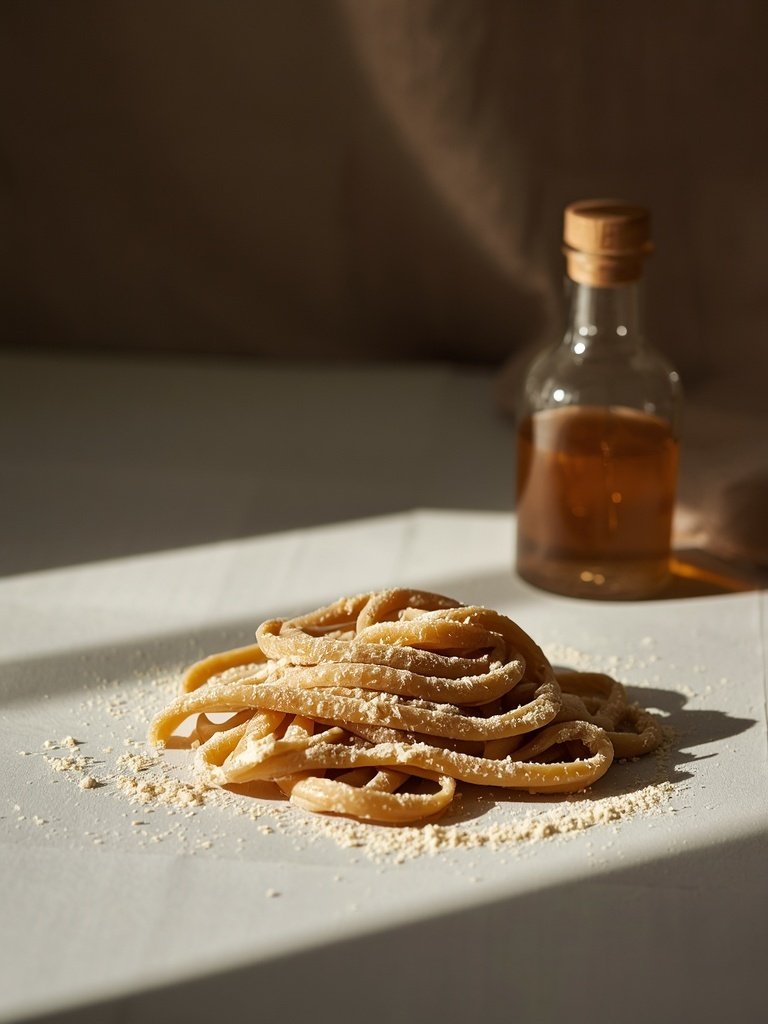
Table of Contents 3
Medical & Editorial Disclaimer (§3 Terms): This article is for informational and educational purposes only, does not constitute medical advice, diagnosis, or treatment, and is used at your own risk. Consult a qualified physician for medical conditions.
The physiological impact of this pasta is driven by its high concentration of soluble dietary fibers, specifically pentosans, which modulate the rate of carbohydrate digestion and absorption. This mechanism results in a steady energy release and enhanced satiety, preventing the sharp insulin fluctuations associated with refined grains. Furthermore, the presence of plant lignans and phenolic antioxidants provides a substrate for the gut microbiota to produce protective metabolites, while essential minerals like magnesium and iron support overall cellular function and vitality.
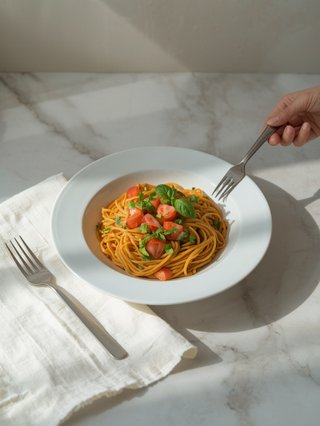
For practical daily nutrition, this rye pasta offers a rich, earthy flavor profile that pairs exquisitely with savory ingredients such as forest mushrooms, roasted vegetables, and garlic. To maximize its health benefits, the pasta should be prepared al dente, preserving its structural integrity and favorable glycemic response. Integrating this nutrient-dense staple into regular meals provides a simple yet effective way to enhance dietary fiber intake and support a diverse intestinal microbiome while enjoying a versatile and flavorful culinary experience.
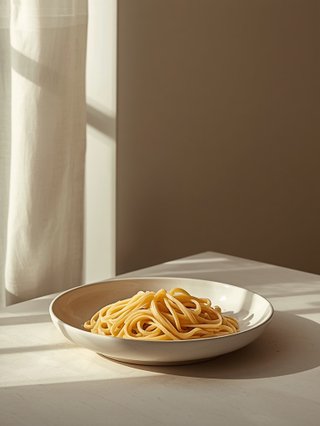
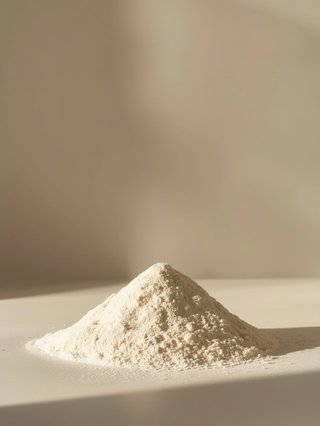
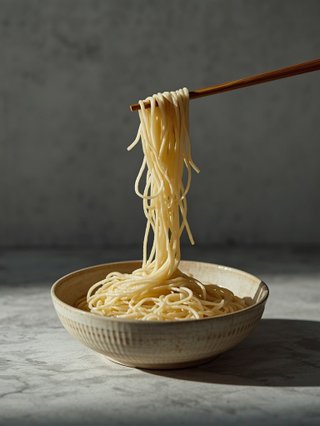
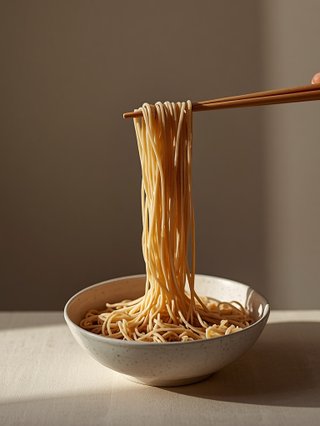
Whole-grain rye pasta crafted from type 720 flour is an extraordinary functional grain product uniting culinary versatility with the bioactive potency of rye grain. Type 720 rye bread flour preserves valuable bran fractions, conferring exceptional concentrations of soluble arabinoxylan fiber (pentosans), a low glycemic index, and a rich, rustic nutty flavor. It represents an ideal dietary staple for diabetes management, insulin resistance, and sustainable fat-loss protocols.
Nutritional Value of Type 720 Rye Flour – Vitamins, Minerals, and Lignans
Type 720 rye flour far surpasses standard white flour in micronutrient density:
- Mineral and vitamin endowment – supplies generous concentrations of magnesium, non-heme iron, zinc, potassium, and B-complex vitamins.
- Plant lignans – bioactive phytoestrogens metabolized by the intestinal microbiota into enterolactone, providing protective effects against hormone-dependent malignancies.
- Phenolic antioxidants – rich in ferulic acid, defending against lipid peroxidation.
Energy Value, Glycemic Index, and Satiety Dynamics
Rye pasta manufactured from Type 720 flour delivers distinct metabolic benefits:
- Caloric density – 100 g of dry pasta provides ~340–350 kcal, translating to ~180–200 kcal per 150 g cooked portion.
- Low glycemic index (GI ~40–45) – viscous arabinoxylans slow enzymatic starch breakdown, preventing reactive glycemic and insulin spikes.
- Sustained postprandial satiety – viscous fibers delay gastric clearance and stimulate satiety hormones.
Culinary Uses – Cooking Guidelines and Flavor Pairings
Rye pasta displays an assertive, robust texture demanding thoughtful culinary execution:
- Al dente cooking – boil in generous salted water for 7–9 minutes; avoid overcooking to preserve optimal bite and low glycemic integrity.
- Flavor pairings – its earthy profile harmonizes exquisitely with forest mushroom sauces (chanterelles, porcini), roasted root vegetables, sautéed garlic and kale, and wild smoked salmon.
Want to apply these guidelines in your daily diet?
Our smart diet generator creates a tailored meal plan in 3 minutes based on the recommendations in this article.
Tags

Katarzyna Mazur
• 23.10.2026Diets Premium Expert
Diets Premium team expert. Specializes in nutrition plans, strength sports, and training plans.