What is insulin, how to administer it, and where to store it?

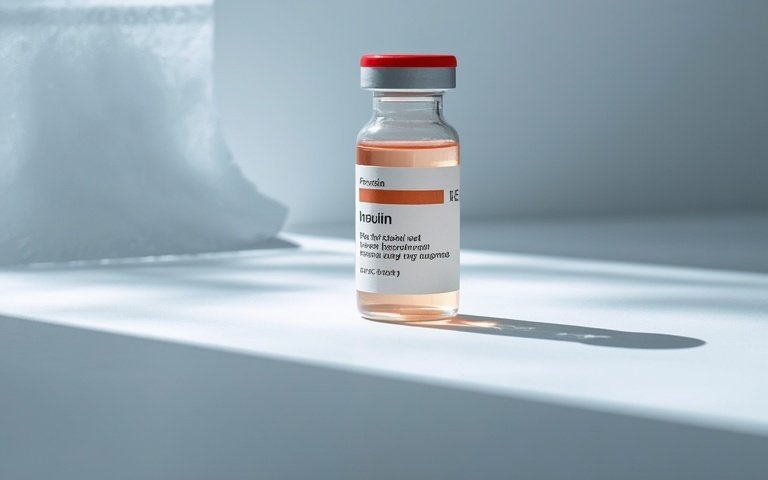
Table of Contents 5
Medical & Editorial Disclaimer (§3 Terms): This article is for informational and educational purposes only, does not constitute medical advice, diagnosis, or treatment, and is used at your own risk. Consult a qualified physician for medical conditions.
Insulin is a protein hormone composed of polypeptide chains produced by pancreatic cells to facilitate the transport of absorbed nutrients into muscle, fat, and liver cells. Because the body may fail to produce sufficient quantities independently, various types of insulin with distinct onset speeds and peak action profiles are utilized in clinical practice. Understanding these pharmacological profiles allows individuals to achieve greater flexibility and maintain stable blood sugar regulation throughout daily life.
Due to its protein structure, insulin cannot be taken orally, as digestive enzymes in the gastrointestinal tract would break it down before it could exert its effects. Instead, it must be administered via subcutaneous injections, pens, or insulin pumps, with the choice of injection site carefully selected based on absorption rates. Proper storage is equally critical, requiring unopened supplies to be kept refrigerated while protecting active devices from extreme temperatures or freezing conditions.
This article is professional premium content (PRO) provided in its entirety.
Insulin? What is it?
Insulin is used
Insulin is of all kinds
How to administer insulin?
Insulin How to store it?
Want to apply these guidelines in your daily diet?
Our smart diet generator creates a tailored meal plan in 3 minutes based on the recommendations in this article.

mgr David Janitzek
• 24.09.2026Diets Premium Expert
Diets Premium team expert. Specializes in nutrition plans, strength sports, and training plans.