Key Takeaways
The DASH diet serves as a cornerstone for proactive health management, offering a pathway to maintain vitality and prevent chronic conditions without relying solely on daily medication. This nutritional approach is vital for anyone seeking to enhance their cardiovascular health and overall physical resilience. By focusing on nutrient-dense food choices, individuals can take meaningful steps toward long-term wellness and a more balanced lifestyle.
The core physiological insights revolve around the strategic reduction of sodium intake, which is known to influence blood pressure levels and vascular health. The dietary framework emphasizes the consumption of whole grains, which provide essential B vitamins, dietary fiber, and a variety of minerals necessary for metabolic harmony. Furthermore, the article highlights the importance of lifestyle factors, such as ceasing tobacco use and moderating alcohol, to protect vital organs like the heart, liver, and kidneys from degenerative processes.
Actionable guidance for daily life includes prioritizing fresh, unsalted vegetables and utilizing herbal spices instead of traditional table salt or processed seasoning blends. Incorporating whole-grain cereals, brown rice, and whole-meal products into regular meals ensures a steady supply of vital nutrients. By adopting these dietary habits and committing to a smoke-free environment, readers can support their body's natural defenses and contribute to the effective management of their long-term health goals.
One often ponders how to prevent diseases and maintain good health without having to consume large quantities of medication daily. This is exactly where the DASH diet comes in and proves to be extremely beneficial!
02 / 03
DASH diet What to eat?
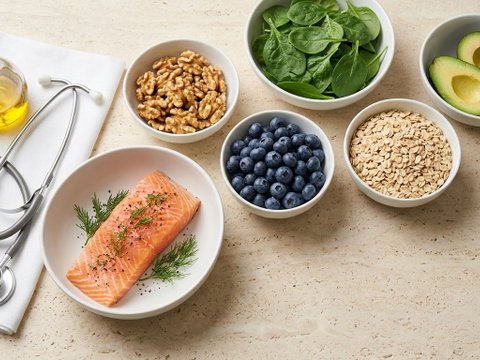
The DASH diet recommends consuming 7–8 servings of grain products daily. These primarily include whole-grain products made from wholemeal flour. They are rich in B vitamins, dietary fiber, and numerous mineral components. A serving is, for example, 1 slice of bread, 125 ml or ½ cup of dry cereal flakes, 125 ml or ½ cup of rice, pasta, or groats. Fruit salad. A strong emphasis in this diet is placed on increasing the intake of vegetables and fruits. They are extremely important due to the vitamins they contain, especially vitamins A, E, and C, mineral components, especially potassium and dietary fiber. Antioxidants reduce the amount of free radicals in the body and prevent their harmful effects on blood vessels, and potassium increases sodium excretion from the body and lowers blood pressure. It is recommended to consume 4–5 servings of vegetables and 4–5 servings of fruit daily. One serving of vegetables is considered, for example... 250 ml of lettuce, 125 ml or ½ cup of other raw vegetables, and for 1 serving of fruit – 1 medium apple, 125 ml or ½ cup of fresh fruit, or 60 ml or 1/4 cup of dried fruit.. Although the amount of fat in the diet should be the same as in healthy people, its source should be mainly plant-based.. From animal fat products, it is recommended to consume 2–3 servings of low-fat dairy products daily, such as milk, cottage cheese, or yogurt. For example, 1 serving of dairy is a glass of yogurt or 50 g of cheese.. Limiting full-fat dairy products in the diet will reduce the intake of saturated fatty acids and cholesterol while ensuring a supply of protein, calcium, and phosphorus. Two portions or even fewer of lean meat, poultry, fish, or seafood should be consumed daily – variety is best. These products are a source of high-quality protein, iron, and B vitamins, and fish and seafood provide omega-3 fatty acids: EPA and DHA. They are extremely important in the diet of people with high blood pressure and people at increased risk. EPA and DHA lower blood pressure, reduce inflammation, lower cholesterol levels, and inhibit the formation of blood clots in blood vessels. About 90 g of meat, fish, or poultry constitutes 1 serving. It is recommended to include legumes, nuts, and seeds in the diet 4–5 times a week. In the DASH diet, 2–3 servings of visible fat should be consumed, i.e., oil, margarine, or dressing, e.g., vinaigrette. A serving is considered, for example, 1 teaspoon of oil or margarine.. Vegetable fats provide unsaturated fatty acids, including essential ones that the body cannot synthesize on its own.. These ingredients inhibit inflammatory processes and reduce blood cholesterol levels, thus protecting blood vessels.. It is recommended to include legumes, nuts, and seeds in the diet 4–5 times a week.. All these products are an excellent source of plant-based protein and dietary fiber, and nuts and seeds also provide magnesium, potassium, and unsaturated fatty acids. Dietary fiber lowers blood cholesterol levels and slows down the digestion and absorption of carbohydrates, preventing high blood glucose levels. Sustained high blood sugar significantly damages the vascular endothelium, increases the risk of developing type 2 diabetes, and facilitates the formation of atherosclerotic plaques. Having high blood pressure does not mean you have to avoid all the pleasures of food. Even in the DASH diet, which is considered the best for reducing blood pressure, 5 servings of various snacks are allowed per week. For example, a serving is considered ¾ cup of pretzels, 125 ml or ½ cup of jelly, 15 ml of sugar or jam, or 3 hard candies. You can buy ready-made DASH diet meal plans with recipes here! Thanks to them, you can easily and quickly incorporate the principles of the DASH diet into your life!
Want to apply these guidelines in your daily diet?
Our smart diet generator creates a tailored meal plan in 3 minutes based on the recommendations in this article.