Coconut meat oil (pressed from kopra): metabolic properties, culinary uses, and thermal stability
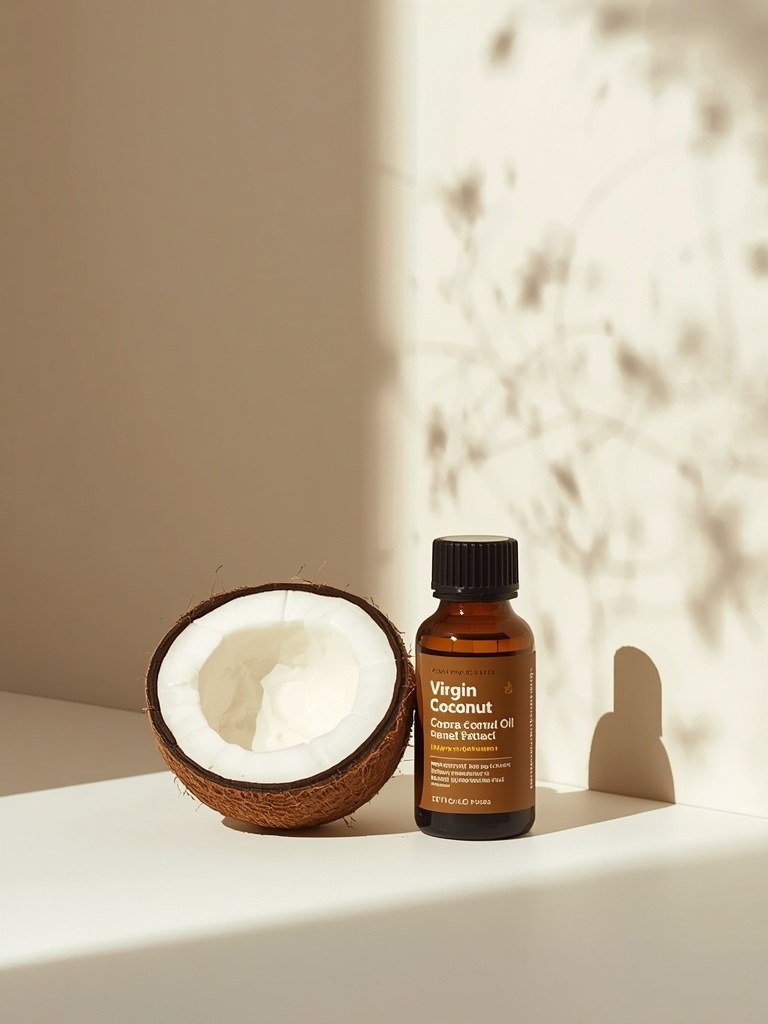
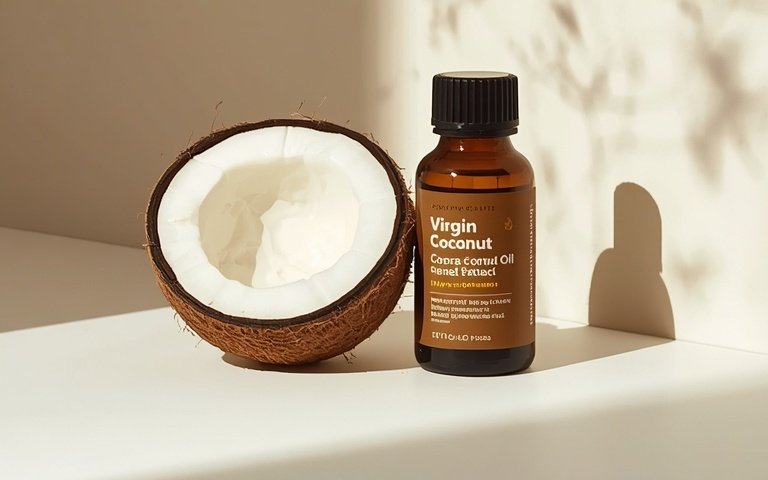
Table of Contents 3
Medical & Editorial Disclaimer (§3 Terms): This article is for informational and educational purposes only, does not constitute medical advice, diagnosis, or treatment, and is used at your own risk. Consult a qualified physician for medical conditions.
The central physiological mechanism explored in the article involves the metabolism of medium-chain fatty acids, predominantly lauric acid. Unlike long-chain dietary lipids, these medium-chain triglycerides undergo direct transport via the portal vein directly to the liver, bypassing lymphatic transit. Within hepatocytes, they enter rapid mitochondrial beta-oxidation to generate cellular energy and support ketone production, rather than being readily stored in peripheral adipose tissue. Additionally, the saturation of its chemical bonds endows the lipid with high thermal stability, effectively resisting heat-induced oxidation during cooking.
From a practical standpoint, coconut oil serves as a highly versatile culinary fat suited for diverse cooking applications. Refined coconut oil, being neutral in flavor and highly heat-tolerant, provides a safe medium for high-heat sautéing, whereas cold-pressed virgin oil adds a rich tropical aroma to plant-based baking and traditional recipes. Virgin oil is also frequently incorporated into functional morning coffee beverages to supply accessible energy. Integrating coconut oil mindfully within a varied diet allows cooks and health-conscious individuals to utilize its functional benefits safely.
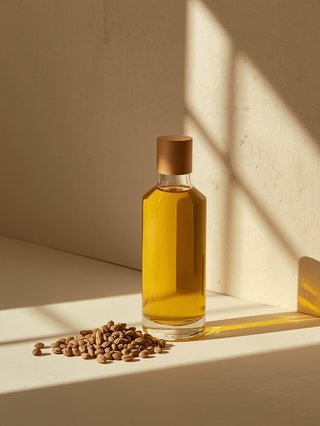
Coconut oil, derived from the fresh or dried endosperm (copra) of the coconut palm (Cocos nucifera), has garnered tremendous scientific and culinary attention. Consisting of over 90% saturated fatty acids, it is distinguished by a high fraction of Medium-Chain Triglycerides (MCTs), notably lauric acid. This biochemical configuration drives metabolic pathways markedly distinct from typical long-chain animal saturated fats.
Biochemical profile: Medium-chain triglycerides (MCTs) and lauric acid metabolism
Approximately 50% of coconut oil fatty acids consist of lauric acid (C12:0), complemented by caprylic (C8:0), capric (C10:0), and myristic acids. Medium-chain fatty acids are transported directly via the portal vein to hepatocytes, bypassing conventional chylomicron lymphatic transport and bile acid solubilization. Inside the liver, they undergo rapid mitochondrial beta-oxidation, fueling cellular ATP synthesis and ketogenesis rather than being readily partitioned into peripheral adipose tissue.
Culinary versatility and dietary integration in functional nutrition
Virgin cold-pressed coconut oil possesses a firm white consistency at room temperature (melting threshold around 24–25°C) and a rich tropical aroma. It is an indispensable culinary staple in Southeast Asian curries, stir-fries, vegan plant-based baking (substituting for butter), and raw confections. Refined coconut oil is neutral and odorless. In ketogenic protocols, virgin oil is widely blended into morning 'bulletproof' coffee to sustain ketone production and mental acuity.
Smoke point, thermal oxidation resistance, and kitchen safety guidelines
Owing to saturated chemical bonds that lack vulnerable double bonds, coconut oil demonstrates exceptional thermal stability, resisting heat-induced oxidation and toxic polar compound formation. Unrefined virgin coconut oil features a smoke point of approximately 177°C (350°F), suitable for gentle sautéing and baking. Refined coconut oil boasts an elevated smoke point of 204–232°C (400–450°F), establishing it as one of the safest vegetable options for high-heat cooking.
Want to apply these guidelines in your daily diet?
Our smart diet generator creates a tailored meal plan in 3 minutes based on the recommendations in this article.
Tags

mgr Emilia Szymańska
• 23.10.2026Diets Premium Expert
Diets Premium team expert. Specializes in nutrition plans, strength sports, and training plans.