
Turmeric - Properties and Uses
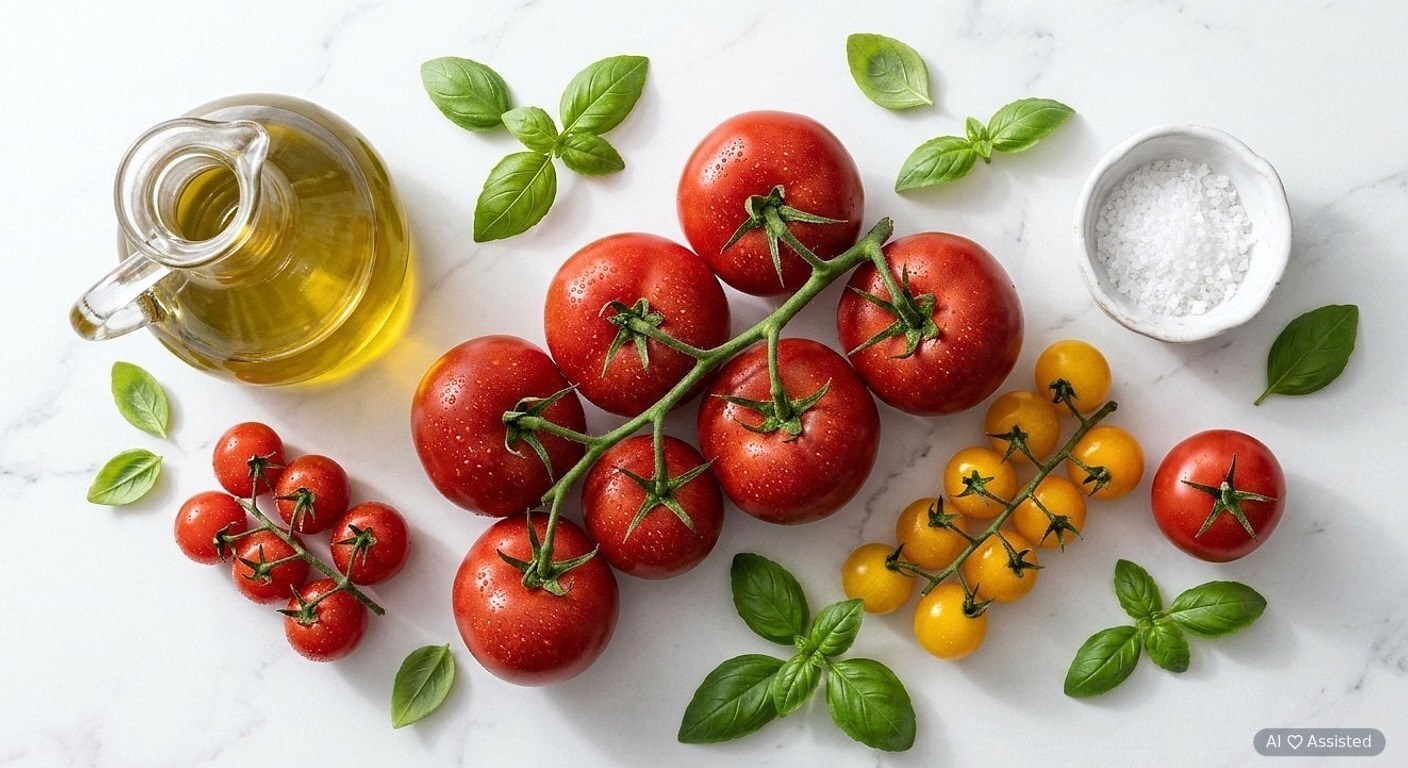
1 photo
492
Smart Voice
AI
0:00
0:00
Listen to the article content live
Table of Contents 11
PRO Content
PRO
This article is professional premium content (PRO) provided in its entirety.
Turmeric, also known as long ginger, Zohara ginger or Indian saffron, is a plant species from the ginger family that has long been a key ingredient in Asian cuisine. Recently it has become increasingly popular in Poland. But what is the secret behind the mystery of turmeric?
01 / 11
Turmeric: Usage and Functionality
Curcumin, a polyphenolic antioxidant, is a chemical compound widely used as a food coloring in industry. The first study of curcumin's structure was conducted in 1910 by Polish chemists Stanisław Kostanecki, Janina Miłobędzka, and Wiktor Lampe. Turmeric has been used in Far Eastern medicine for nearly 4000 years as a natural anti-inflammatory and pain reliever. Curcumin is currently the subject of interest in the scientific community and biotechnology due to its broad spectrum of action, which is not yet fully understood. However, the low bioavailability of curcumin when taken orally due to poor absorption makes it almost undetectable in the bloodstream, which complicates its precise examination and application as a potential therapeutic agent in clinical medicine. Nevertheless, this characteristic can also be an advantage of curcumin, as it has low toxicity when taken orally. The European Food Safety Authority sets the safe dose of curcumin at 3 mg/kg body weight. However, no upper limit for curcumin consumption has been established in Poland. Studies indicate that daily doses of 3, 6-8 g of curcumin do not cause any adverse effects. However, individual variability should be taken into account, and excessive use of curcumin or its derivatives should be avoided.
02 / 11
Turmeric - antioxidant effect
Curcumin, the active component of turmeric, possesses the ability to neutralize free radicals within cells, including superoxygen anionogen, hydroxyl radicals, and superoxysene radicals. Additionally, it increases the quantity of intracellular glutathione - a substance with powerful antioxidant properties. In this manner, turmeric acts as a potent antioxidant and safeguards cells from damage caused by an excess of oxidative stress. Curcumin exhibits a favorable impact on the functions of the endothelium in blood vessels, resulting in decreased lipid peroxidation and their accumulation in blood vessels. Hence, turmeric is regarded as an effective anti-atherosclerotic agent.
03 / 11
Turmeric displays anti-inflammatory characteristics
Curcumin, the active ingredient in turmeric, possesses anti-inflammatory properties that mitigate inflammatory processes in the body and accelerate wound healing. It inhibits the expression of proteins responsible for inflammation, thereby reducing the level of inflammation. Furthermore, turmeric exhibits anti-inflammatory effects by stimulating the secretion of mucus, a protective compound of the stomach lining against harmful factors. Turmeric also enhances liver function by boosting the production of bile and increasing its excretion. In cases of poisoning with drugs or alcohol, turmeric has a protective effect on liver cells, known as hepatocytes.
04 / 11
Neuroprotective effect
In the research into the treatment of neurodegenerative diseases, particularly Alzheimer's disease, curcumin has received notable attention. Due to its anti-inflammatory characteristics, reduction of nerve cell damage resulting from oxidative stress factors, and deceleration of beta-amyloid aggregation, this component may be beneficial as a supplement to the currently employed pharmacological therapy by neurologists.
05 / 11
Turmeric – chemopreventive and anticancer properties
Curcumin lowers the transcriptional activity of proteins that participate in cancerous cell transformation. Furthermore, it can enhance cells' responsiveness to administered cytostatics and demonstrates the capability to trigger apoptosis in cancer cells and restrict their proliferation, making it a subject of intensive research regarding its utilization as an anti-cancer agent. Its effectiveness in preventing colon, breast cancer, and metastases to other organs has been confirmed. Current investigations are being conducted into the application of curcumin as an adjunct therapy for prostate, colon, and skin cancer.
06 / 11
Turmeric - inhibition of microorganism spread
Turmeric inhibits the spread of a wide range of microorganisms, including yeasts, Bacillus, and Clostridium. In Far Eastern countries, turmeric is often used as a wound disinfectant, where it exhibits its antibacterial properties.
07 / 11
Yellow root lowers blood sugar level
Studies have shown that curcumin reduces hyperglycemia, improves lipid parameters, and enhances insulin release. This information could be valuable for individuals with pre-diabetic conditions. Curcumin increases the release of nitric oxide, thereby lowering blood pressure and causing the dilation of blood vessels. There are also studies suggesting that curcumin may delay the degeneration of joint cartilage in rheumatoid arthritis.
08 / 11
Turmeric – medical applications
In traditional Indian and Chinese medicine, turmeric was frequently used as a medication for jaundice and ulcers. It was also employed as a means of reducing hunger, calming and decreasing menstrual pain and pain attacks. Turmeric was also utilized in the treatment of wounds, bites, burns, acne and other skin conditions. It can also aid in reducing the symptoms of diarrhea, indigestion and constipation. It is worth noting that in some regions, turmeric is used as an antidepressant and a means of reducing hallucinations caused by painkillers.
09 / 11
Turmeric – contraindications for application
However, turmeric is not recommended for everyone. As any substance used in excess can be harmful to health and should not be abused. Pregnant women should not exceed the recommended dose, as it can lead to an increase in uterine activity and result in miscarriage. Turmeric also reduces blood clotting, so patients preparing for surgical procedures or taking anticoagulant medications should not use it. Turmeric also lowers blood sugar levels, so diabetics should not exceed the recommended dose, as it can lead to a sudden drop in blood sugar levels and difficulty controlling blood sugar levels. Turmeric can also affect the metabolism of some medications and alter their absorption rate. If you are taking any medications, always consult your doctor before starting turmeric (also in supplement form).
10 / 11
Occurrence of curcumin
It is originally found in turmeric. Curcumin is a widely used food coloring agent. It can be found in mustard, fish paste, ice cream, soups, candied fruit, wine or desserts. The most popular dish that contains a large amount of turmeric is the famous curry. One of the main dishes of Indian cuisine is, despite appearances, very easy to prepare. Ingredients for 2 portions of traditional curry: - 150 g chicken breast, - a large onion, - a can of tomatoes, - 4 cloves of garlic, - 2 cm ginger, - a pinch of chili, - 1 teaspoon curcumin, - 2 tablespoons oil, - a pinch of cumin, anise and lovage, - salt and pepper to taste, - 100 g rice.
11 / 11
A way of preparation
1. We prepare the rice according to the instructions on the packaging. 2. We peel the onion and cut it into small strips. We fry it in olive oil until it turns a golden color. 3. We add the crushed garlic and grated ginger. 4. We add the remaining spices. 5. We remove the skin from the tomatoes and add them to the pan. 6. We wash the chicken, cut it into cubes and add it to the pan. 7. We mix everything well. We season it with salt or pepper. We serve it with rice. Enjoy your meal! There are many diseases that are dependent on nutrition. These diseases arise from an insufficient diet and lack of exercise. They can be prevented by leading a healthy lifestyle. The most common include type II diabetes, obesity, hypertension, atherosclerosis, certain types of cancer, intestinal inflammation, and allergies. These diseases affect an increasing number of people and require a change in eating habits. Often, this is the first step taken by professionals. It is important to eliminate the source of the problem (improve the diet, introduce exercise, pay attention to sleep hygiene or reduce sources of stress). Sometimes, this is the only and sufficient therapeutic method in the early stages of the disease, e.g. diabetes. Unfortunately, it can be insufficient in the case of a disease that has been present for a long time. In this case, the diet forms an excellent basis for drug treatment under the supervision of a doctor. In a state of illness, the body's energy metabolism can change. Depending on the disease, the need for certain nutrients may increase or decrease. When we develop clinical diets, as opposed to therapeutic diets, we take into account all these factors. We take into account the diseases, long-term treatment, medical recommendations, test results, which allows for a better adaptation of the menu to the body's needs. Depending on the type of problem, we select the components of the diet, determine the energy balance, macronutrients and micronutrients, to satisfy the body's needs as best as possible. In clinical diets, we pay careful attention to the proper determination of the proportions of macronutrients: proteins, fats, and carbohydrates. They can be subject to fluctuations and require adjustments in the context of health problems. The nutrition plan is based on easily available, minimally processed products, taking into account the seasonality of vegetables and fruits. We always take into account the preferences of the patients and have product exchangers available if necessary. We have the comfort of the users of the diet in mind, so we adapt the plans to their culinary abilities, working hours, and time for meal preparation. A clinical diet is an excellent way to provide the body with energy and strength to fight the disease. We create ideal conditions, deliver all the necessary nutrients, prevent deficiencies or compensate for them, and increase digestive comfort.
Meal Plan
Want to apply these guidelines in your daily diet?
Our smart diet generator creates a tailored meal plan in 3 minutes based on the recommendations in this article.

Scientifically reviewed by a clinical dietitian
• 23.03.2026
mgr Cyranka M., Kapka L., Rzeski W., Chemoprewencja nowotworów – perspektywa zastosowania w profilaktyce i terapii, „Zdrowie Publiczne i Zarządzanie” 2009, 119(2), 223–227. Deptuła T., Gruber B., Krówczyński A., Kurkumina i jej pochodne – zastosowanie w terapii przeciwnowotworowej i chemoochronnej, „Postępy Fitoterapii” 3, 2014. Lal J., Turmeric, curcumin and ourlife: a review, „Bulletin of Environment, Pharmacology and Life Sciences” 2012, 1(7), 11–17. Przybylska S., Kurkumina – prozdrowotny barwnik kurkumy, „Problemy Higieny i Epidemiologii” 2015, 96(2), 414–420. Sikora-Polaczek M., Bielak-Żmijewska A., Sikora E., Molekularne i komórkowe mechanizmy działania kurkuminy – dobroczynny wpływ na organizm, „Postępy Biochemii” 2011, 74–84. Szczepański M.A., Grzanka A., Chemoprewencyjne i przeciwnowotworowe właściwości kurkuminy, „Nowotwory. Journal of Oncology” 2009, 59, 377–384. Terlikowska K., Witkowska A., Terlikowski S., Kurkumina w chemoprewencji raka piersi, „Postępy Higieny i Medycyny Doświadczalnej” 2014, 68, 571–578. Wolanin K., Piwocka K., Kurkumina – od medycyny naturalnej do kliniki, „Kosmos. Problemy Nauk Biologicznych” 2008, 57(1–2), 53–65. Zalega J., Szostak-Węgierek D., Żywienie w profilaktyce nowotworów. Część III. Diety o właściwościach przeciwnowotworowych, „Problemy Higieny i Epidemiologii” 2013, 94(1), 59–70.
Diets Premium Expert
Diets Premium team expert. Specializes in nutrition plans, strength sports, and training plans.
USDA FoodData Central
EFSA
PubMed Clinical Guidelines





