What are the indications for using silymarin? Composition characteristics and range of therapeutic use of the preparation from milk thistle.
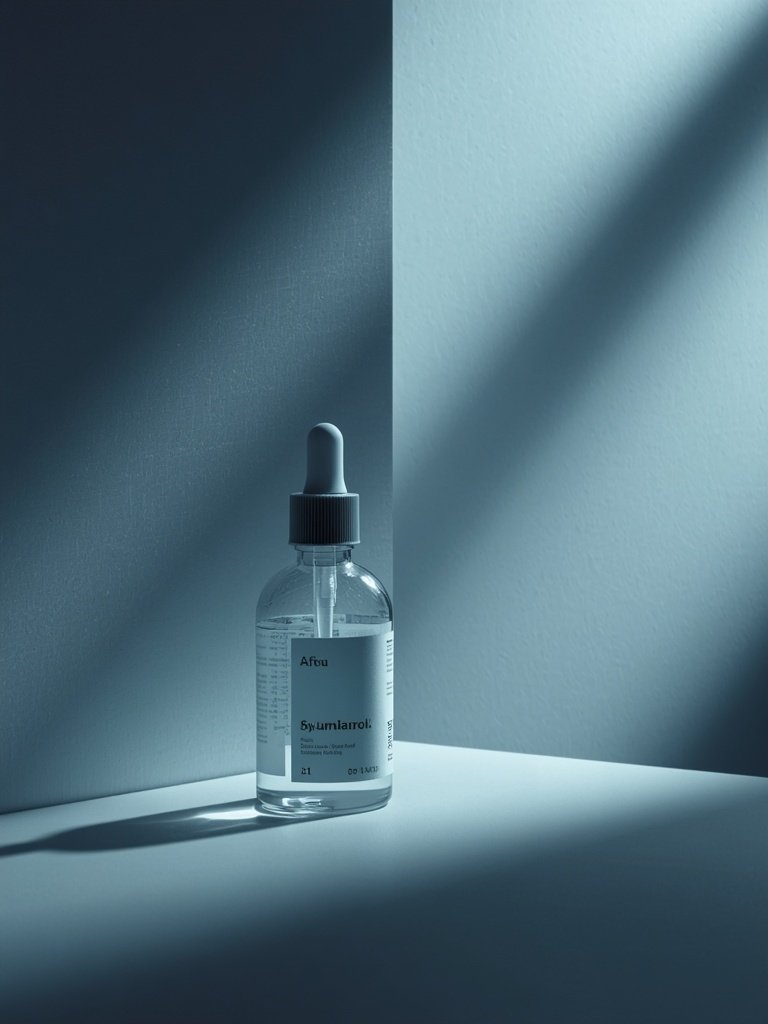
Table of Contents 7
Medical & Editorial Disclaimer (§3 Terms): This article is for informational and educational purposes only, does not constitute medical advice, diagnosis, or treatment, and is used at your own risk. Consult a qualified physician for medical conditions.
The pharmacological action is based on silymarin, a complex of flavonolignans, whose primary active component is silybin. This substance stabilizes the cell membranes of hepatocytes, reducing their permeability to harmful agents. Furthermore, it stimulates protein synthesis and modulates processes that help prevent fibrosis and combat free radicals. These cellular mechanisms constitute the core of its hepatoprotective function.
Regarding daily use, Sylimarol demonstrates an excellent safety profile and is recognized by specialists. When support for liver function is needed, consistent intake over an extended period is recommended to achieve a lasting effect. However, it is essential to always discuss its use with a healthcare professional to tailor the dosage to individual health requirements.
Sylimarol is an established botanical drug containing a standardized dry extract obtained from the fruit husks of milk thistle (Silybum marianum). Its primary pharmacologically active component is silymarin—a therapeutic complex of flavonolignans predominantly featuring silybin. In hepatology, silymarin serves as an evidence-based adjunctive standard for non-alcoholic fatty liver disease (NAFLD/MASLD), toxic-metabolic hepatocellular injury induced by alcohol or xenobiotics, and chronic liver fibrosis. This clinical review evaluates silybin molecular pharmacology, dosage regimens, and safety.
Sylimarol – Phytopharmaceutical Definition and Milk Thistle Origin
Sylimarol is an authorized phytopharmaceutical drug prepared from the standardized extract of milk thistle fruits (Silybi mariani fructus extractum). Unlike non-standardized dietary supplements, this medicinal product undergoes rigorous pharmacopeial quality control, guaranteeing a verified therapeutic concentration of flavonolignans calculated as silybin.
Phytochemical Composition – The Flavonolignan Matrix and Silybin
Silymarin represents a singular isomeric matrix of polyphenolic flavonolignans:
- Silybin (silybin A and B): Accounting for 50–70% of total silymarin mass, it possesses the highest biological affinity for hepatocyte membrane receptors.
- Isosilybin (A and B): Directly modulates pro-inflammatory intracellular signaling cascades.
- Silychristin: Potent scavenger of reactive oxygen radicals shielding vascular endothelium.
- Silydianin: Synergistically blunts microsomal lipid peroxidation cascades.
Mechanisms of Action – Membrane Stabilization and Cellular Regeneration
Silymarin pharmacology is orchestrated through three principal cellular mechanisms:
- Membrane stabilization: Interacts with hepatocyte outer membrane receptors, rigidifying bilayers to block xenobiotic penetration (including ethanol metabolites and death-cap mushroom amanitins).
- Protein synthesis stimulation: Stimulates nucleolar RNA polymerase I, accelerating ribosomal RNA transcription and de novo structural protein assembly for liver tissue regeneration.
- Antifibrotic modulation: Inhibits phenotypic transdifferentiation of hepatic stellate cells into myofibroblasts, attenuating extracellular collagen deposition and cirrhosis.
Clinical Indications – NAFLD, Alcoholic Liver Disease, and Toxic Damage
Primary clinical indications include:
- Convalescence following toxic-metabolic hepatic damage (chronic alcohol consumption, pharmacotherapy, solvent exposures).
- Adjunctive therapy in metabolic dysfunction-associated steatotic liver disease (MASLD / NAFLD).
- Functional postprandial dyspepsia (bloating, epigastric fullness, sluggish digestion) following rich fat-heavy meals.
- Chronic low-grade hepatitis and chronic biliary insufficiency.
Sylimarol in Hepatology – Clinical Trial Evidence and Transaminase Normalization
Meta-analyses of randomized double-blind clinical trials confirm that consistent silymarin therapy over a minimum of 3 months produces statistically significant decreases in serum liver transaminases: alanine aminotransferase (ALT), aspartate aminotransferase (AST), and gamma-glutamyl transferase (GGT), accompanied by sonographic reduction in hepatic steatosis grade.
Administration Guidelines – Dosing Regimens and Duration of Therapy
Available in 35 mg, 70 mg, and concentrated 150 mg formulations. In acute or moderate liver stress, the standard protocol advises 200 to 400 mg of silymarin daily divided into 2–3 postprandial doses taken with water. For long-term prophylaxis, 70–140 mg daily suffices. Clinical guideline: Therapy must be maintained continuously for at least 4 to 12 weeks to allow structural cellular turnover.
Safety Profile, Gastrointestinal Tolerance, and Expert Consensus
Sylimarol demonstrates exceptional tolerability; it can be safely prescribed over protracted intervals without dependency risks or end-organ adverse effects. Very rarely (less than 1 in 1,000 cases), mild transient laxative actions or nausea are reported. It enjoys broad consensus endorsement among gastroenterologists and internists as the foundational liver phytomedicine.
Want to apply these guidelines in your daily diet?
Our smart diet generator creates a tailored meal plan in 3 minutes based on the recommendations in this article.

Mia Hoffmann
• 23.10.2026Diets Premium Expert
Diets Premium team expert. Specializes in nutrition plans, strength sports, and training plans.