Volumetrics diet – a way to reduce body weight without hunger and with a full plate
Table of Contents 4
Medical & Editorial Disclaimer (§3 Terms): This article is for informational and educational purposes only, does not constitute medical advice, diagnosis, or treatment, and is used at your own risk. Consult a qualified physician for medical conditions.
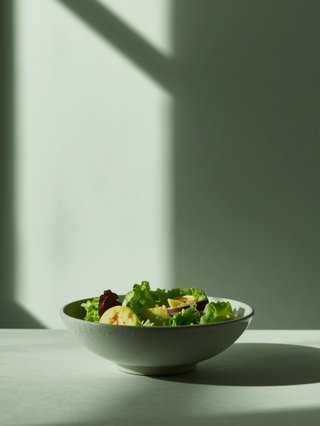
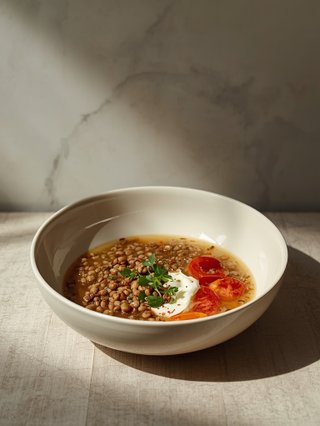
The physiological core of this method relies on the neurobiology of satiety, specifically the stimulation of gastric mechanoreceptors. When the stomach is filled with foods high in water content and dietary fiber—such as non-starchy vegetables, clear vegetable broths, or fresh fruits—these receptors signal the brain to promote a feeling of fullness. This mechanism leverages the human tendency to consume a consistent volume of food daily, allowing for a natural and intuitive regulation of appetite that supports metabolic well-being.
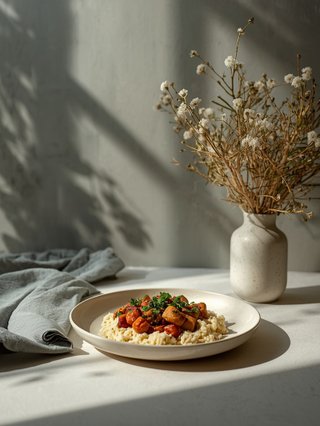
Practical implementation involves simple culinary adjustments, such as starting a dinner with a vegetable-based soup or incorporating grated vegetables like carrots or zucchini into daily meals to increase their volume without significantly altering their energy density. Emphasizing salads and whole grains during breakfast and other meals helps maximize satiety while maintaining nutritional balance. By focusing on these high-volume, nutrient-rich choices, individuals can foster a sustainable and enjoyable approach to eating that promotes consistency and long-term success.
Energy Density Science – The Physiology of Satiety by Dr. Barbara Rolls
The Four Food Density Categories in Volumetrics
Practical Volumetric Culinary Techniques and High-Volume Meal Plan
Dietetic Evaluation – Metabolic Efficacy, Limitations, and Habit Sustainability
Want to apply these guidelines in your daily diet?
Our smart diet generator creates a tailored meal plan in 3 minutes based on the recommendations in this article.
Tags

mgr tłuszczów i cukrów. Brzmi logicznie, jednak nie do końca wyjdzie nam to na zdrowie! Dlaczego? Warzywa posiadają m.in. witaminy rozpuszczalne w tłuszczach, czyli A,D,E,K. Niestety z diety wykluczamy wszelkie źródła tłuszczów, zatem ryzyko niedoborów tych witamin wzrasta! Dieta nie dla wszystkich. Osoby z problemami układu pokarmowego np. zespołem Leśnowskiego-Crohna nie powinny stosować tej diety ze względu na zbyt dużą ilość błonnika. Jemy dużo i bez umiaru – niezbyt dobrze wpłynie to na naszą psychikę. Spowoduje to napady wilczego głodu i niepohamowane spożywanie ogromnej ilość pożywienia, które tylko niepotrzebnie rozszerzą nam żołądek. Nie od dziś wiadomo, że podstawą zdrowej diety jest regularność posiłków i lepiej zjeść mniejsze posiłki częściej niż jeden duży. Pięć posiłków dziennie skomponowanych ze zdrowych produktów i aktywność fizyczna – to podstawowe wskazówki na zdrowe odchudzanie.
Diets Premium Expert
Diets Premium team expert. Specializes in nutrition plans, strength sports, and training plans.