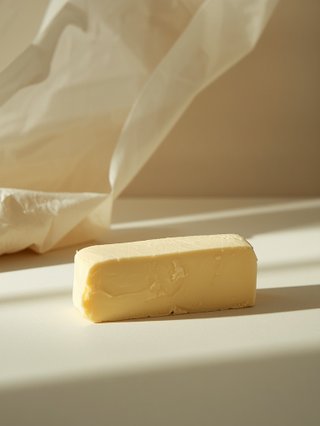
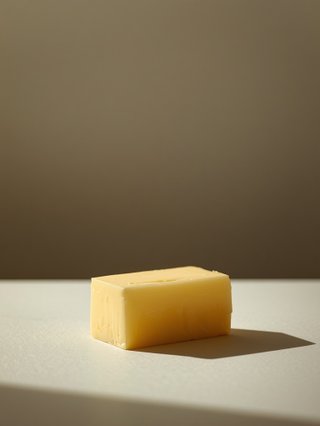
Natural butter supplement – key information on composition and differences compared to plant-based alternatives
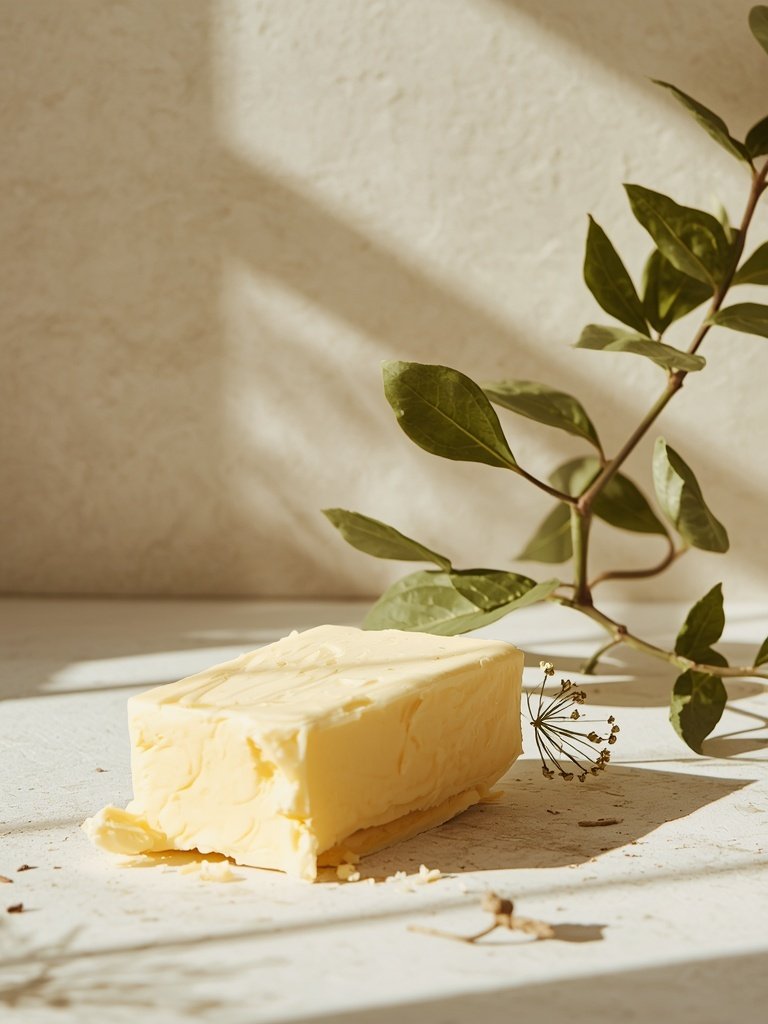
Table of Contents 2
Medical & Editorial Disclaimer (§3 Terms): This article is for informational and educational purposes only, does not constitute medical advice, diagnosis, or treatment, and is used at your own risk. Consult a qualified physician for medical conditions.
Physiologically, butter is characterized by its composition of short-chain and medium-chain fatty acids, making it a suitable option for those requiring a light or easily digestible diet. However, the article highlights the importance of moderation, as an excess of saturated fats and the inherent cholesterol content can lead to an increase in specific blood lipid fractions. Furthermore, the chemical stability of butter is a key consideration in food science; while it is excellent for spreading and baking, high-temperature frying can cause it to burn and release harmful aromatic hydrocarbons.
Practical dietary guidance suggests utilizing butter primarily as a cold addition to meals or in gentle cooking processes to preserve its nutritional quality. Readers are encouraged to balance their intake to support cardiovascular health while enjoying the unique sensory and functional benefits of dairy-based fats. By choosing traditional butter over highly processed plant substitutes and avoiding excessive heat during preparation, individuals can effectively integrate this nutrient-dense food into a health-conscious lifestyle without compromising long-term wellness goals.
Butter with extra properties
Extra butter is used
Want to apply these guidelines in your daily diet?
Our smart diet generator creates a tailored meal plan in 3 minutes based on the recommendations in this article.

mgr Tomasz Jankowski
Diets Premium Expert
Diets Premium team expert. Specializes in nutrition plans, strength sports, and training plans.