Sunflower seeds – nutritional value analysis, health benefits, and role in weight-loss and pregnancy diets. Are they worth eating?
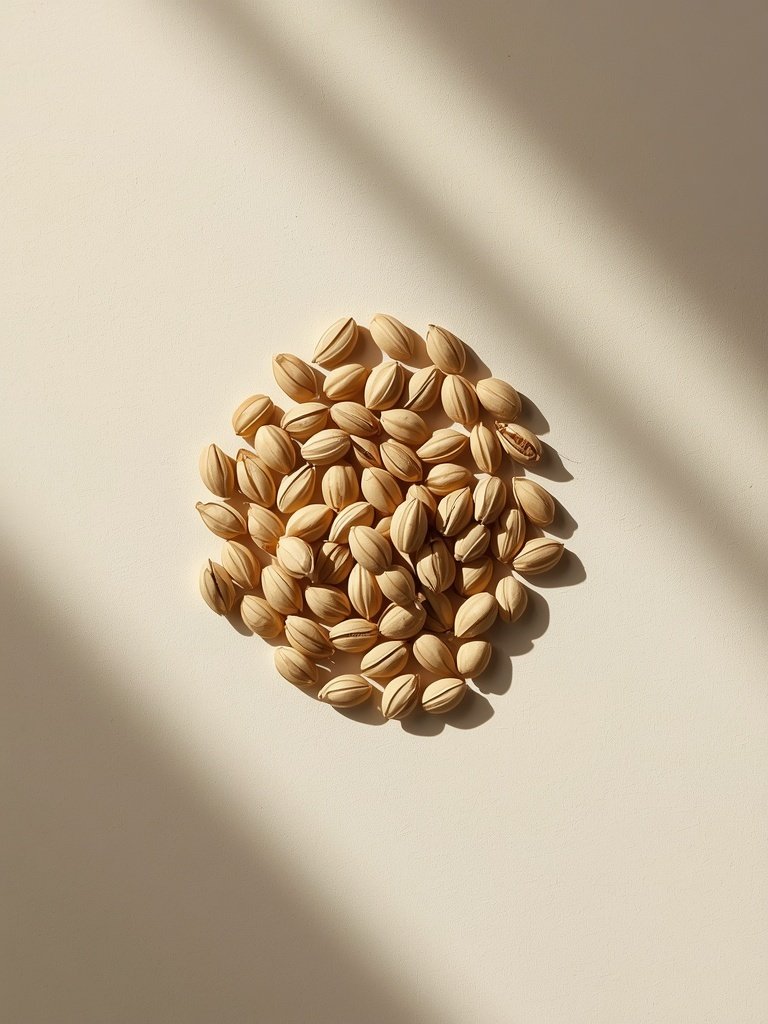
Table of Contents 5
Medical & Editorial Disclaimer (§3 Terms): This article is for informational and educational purposes only, does not constitute medical advice, diagnosis, or treatment, and is used at your own risk. Consult a qualified physician for medical conditions.
The core biochemical insights reveal an abundance of fat-soluble antioxidants, particularly vitamin E, alongside essential trace minerals like magnesium and selenium that protect cellular structures and support nervous system stability. Furthermore, the presence of plant phytosterols helps modulate systemic lipid profiles by competitively inhibiting dietary cholesterol absorption in the gut. Combined with dietary fiber and quality plant proteins, the bioactive compounds in sunflower seeds help promote satiety and support balanced metabolic and glycemic responses.
Practical implementation involves incorporating raw, unsalted, and freshly hulled sunflower seeds into daily meals such as salads, yogurts, or porridges in moderate portions. Because their polyunsaturated fatty acids are sensitive to light and heat, proper storage in airtight, opaque containers in a cool environment is essential to preserve their nutritional integrity and prevent rancidity. Adopting these mindful storage and consumption habits allows individuals to safely enjoy the full physiological benefits of sunflower kernels within a balanced lifestyle.
This article is professional premium content (PRO) provided in its entirety.
Sunflower seeds (Helianthus annuus) represent a rich dietary source of polyunsaturated fatty acids, alpha-tocopherol, bioactive phytosterols, and critical trace minerals. This evidence-based article provides a detailed biochemical breakdown of sunflower seeds, evaluating their therapeutic role in cardiovascular prevention, lipid modulation, metabolic weight management, and maternal-fetal nutrition during pregnancy.
Macronutrient Composition and Bioactive Phytosterols in Sunflower Seeds
Whole sunflower kernels provide roughly 570–585 kcal per 100 grams, containing 20–24 g of plant protein and 45–50 g of lipids, of which over 85% are unsaturated fatty acids (principally linoleic acid omega-6 and oleic acid omega-9). Dietary fiber accounts for approximately 8–9 g/100 g. A salient clinical feature is their dense phytosterol concentration (270–290 mg/100 g, predominantly beta-sitosterol), which competitively inhibits intestinal absorption of dietary cholesterol, fostering measurable reductions in circulating serum LDL-C.
Antioxidant Vitamins and Trace Elements: Vitamin E, Selenium, and Magnesium
Sunflower kernels rank among the richest whole-food sources of vitamin E (d-alpha-tocopherol), with a standard 30-gram portion supplying over 75% of the recommended dietary allowance (RDA) for an adult. This fat-soluble antioxidant terminates free-radical propagation within cellular lipid membranes. Furthermore, the seeds are abundant in magnesium (approx. 350 mg/100 g), vital for vasomotor tone and neuromuscular stability, alongside bioavailable selenium and copper, cofactors for endogenous antioxidant enzymes like glutathione peroxidase and superoxide dismutase.
Role of Sunflower Kernels in Weight Management and Glycemic Control
Despite their energy density, a controlled daily portion of sunflower seeds (20–30 g) represents a valuable adjunct in therapeutic weight loss. The synergy of insoluble dietary fiber, exogenous amino acids, and intact unsaturated lipids triggers robust cholecystokinin (CCK) secretion, slowing gastric clearance and attenuating snacking impulses. Metabolic studies confirm that chlorogenic acid and phenolic derivatives in sunflower seeds favorably modulate systemic glucose kinetics, enhancing peripheral insulin sensitivity.
Nutritional Value of Sunflower Seeds in Pregnancy and Prenatal Health
During gestation, physiological requirements for foundational micronutrients rise substantially. Sunflower seeds provide meaningful levels of natural dietary folates (vitamin B9), vital for genomic nucleotide synthesis and primary prevention of fetal neural tube defects. Additionally, they furnish L-arginine—a precursor for endothelial nitric oxide that supports uteroplacental perfusion—alongside non-heme iron, which assists in mitigating gestational iron-deficiency anemia.
Quality Selection, Storage, and Prevention of Lipid Peroxidation
Owing to their predominance of polyunsaturated fatty acids, sunflower kernels are vulnerable to oxidative rancidity upon exposure to light, heat, and atmospheric oxygen. Maximal nutritional integrity is retained in raw, unsalted, freshly dehulled seeds. They should be stored in airtight, opaque glass containers within a cool, dark environment—ideally refrigerated following opening—to suppress cytotoxic lipid peroxide formation and preserve native vitamin E concentrations.
Want to apply these guidelines in your daily diet?
Our smart diet generator creates a tailored meal plan in 3 minutes based on the recommendations in this article.
Tags

mgr Tomasz Jankowski
• 25.11.2026Diets Premium Expert
Diets Premium team expert. Specializes in nutrition plans, strength sports, and training plans.