Beet sugar - history, varieties, and properties of sugarcane sugar
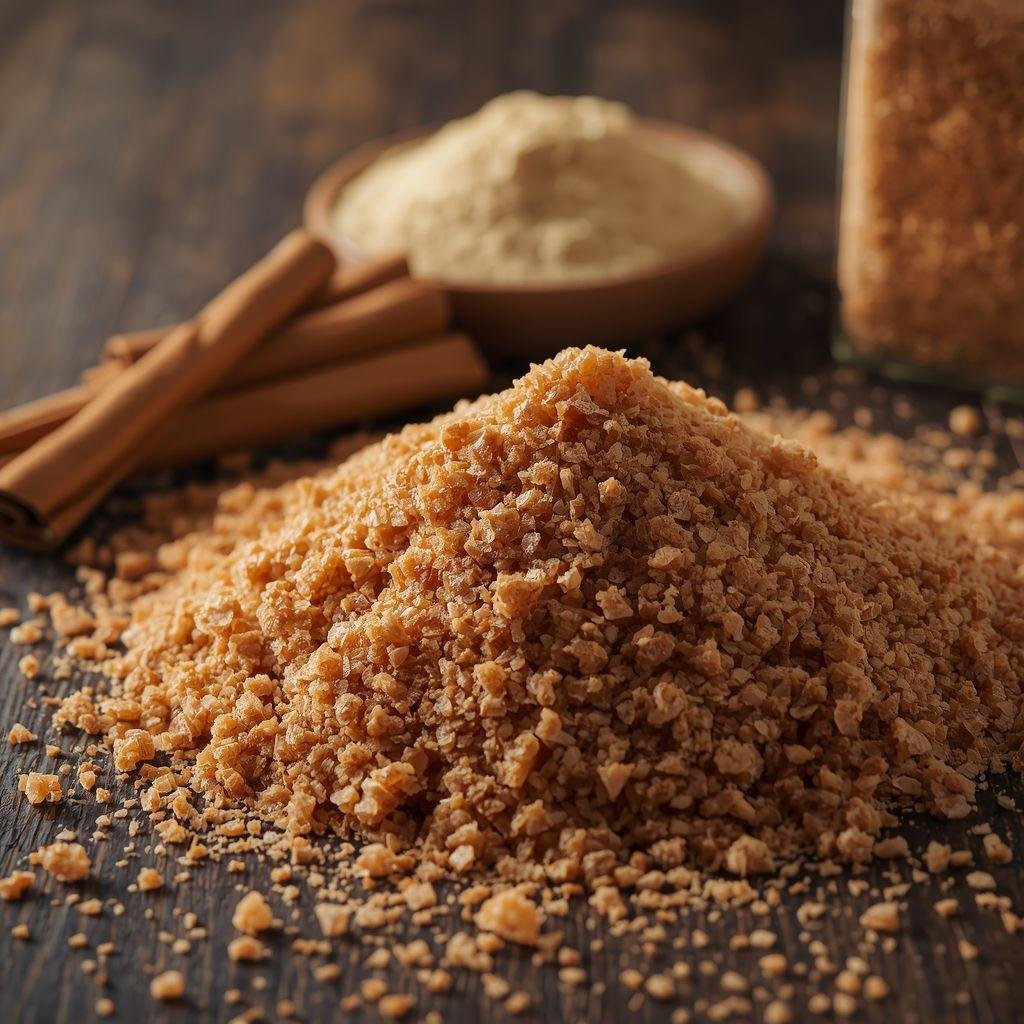
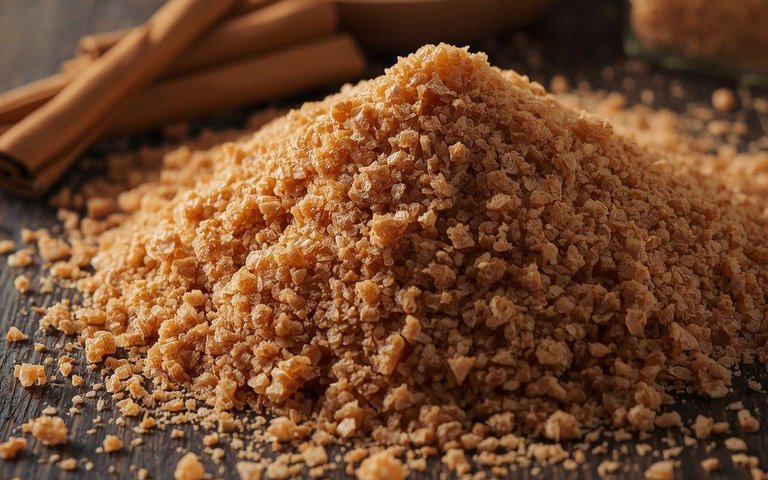
Table of Contents 4
Medical & Editorial Disclaimer (§3 Terms): This article is for informational and educational purposes only, does not constitute medical advice, diagnosis, or treatment, and is used at your own risk. Consult a qualified physician for medical conditions.
Biochemically, both white beet sugar and brown cane sugar are composed almost entirely of pure sucrose. The production process of cane sugar involves crushing the plant material, extracting juice with hot water, purifying it with limewater, and evaporating the liquid until crystallization occurs. Because brown cane sugar undergoes less intensive refining, it retains minute trace amounts of minerals such as iron, magnesium, potassium, and calcium. However, these amounts are far too minimal to contribute meaningfully to daily micronutrient requirements, meaning both sugars exert an identical physiological impact on the human body.
In daily nutrition, substituting white sugar with cane sugar offers no significant health advantages or metabolic benefits. The primary distinction lies in culinary applications, as cane sugar provides a distinct flavor profile preferred by many for beverages and baking. Sustainable health guidance emphasizes reducing overall added sucrose intake rather than relying on unrefined sugars under the misconception that they are health-promoting substitutes.
History of cane sugar production
Sugar varieties
Production of sucrose from sugarcane
Confrontation of Cane Sugar and White Sugar
Want to apply these guidelines in your daily diet?
Our smart diet generator creates a tailored meal plan in 3 minutes based on the recommendations in this article.

mgr Chmielewski L., Podstawowe informacje o trzcinie cukrowej i produkowanym z niej cukrze, „Burak Cukrowy” 2009, 3, 22. Kłosiewicz-Latoszek L., Cybulska B., Cukier a ryzyko otyłości, cukrzycy i chorób sercowo-naczyniowych, „Problemy Higieny i Epidemiologii” 2011, 92(2), 181–186. Kolanowski W., Ciemna słodycz, „Przegląd Gastronomiczny” 2004, 58(11), 16. Kolanowski W., Trzcina dająca miód. Cukier trzcinowy, „Przegląd Gastronomiczny” 2012, 66(11), 11. Malec J., Konkurencja cukru trzcinowego z buraczanym na przestrzeni wieków, „Gazeta Cukrownicza” 2007, 115(09), 298–303. Stępień M., Bursztynowa słodycz, „Cukiernictwo i Piekarstwo” 2008, 12(9), 78–80. Zawadzka M., Cukrowy zawrót głowy, „Gazeta Cukrownicza” 2015, 12, 38–39. Historia cukru, https://www.diamant.pl/historia-cukru (25.01.2018). Kukwa A., Cukier – brązowe nieporozumienie, http://badania.net/cukier-brazowe-nieporozumienie/ (25.01.2018). Cukier – brązowe nieporozumienie, czyli nie warto przepłacać, http://polimaty.pl/2015/03/cukier-brazowe-nieporozumienie/ (25.01.2018). Historia cukru, http://www.food-info.net/pl/products/sugar/history.htm (25.01.2018). http://www.sucrose.com/ (25.01.2018).
• 19.03.2026Diets Premium Expert
Diets Premium team expert. Specializes in nutrition plans, strength sports, and training plans.