Artificial sweeteners - benefits and drawbacks
Table of Contents 3
Medical & Editorial Disclaimer (§3 Terms): This article is for informational and educational purposes only, does not constitute medical advice, diagnosis, or treatment, and is used at your own risk. Consult a qualified physician for medical conditions.
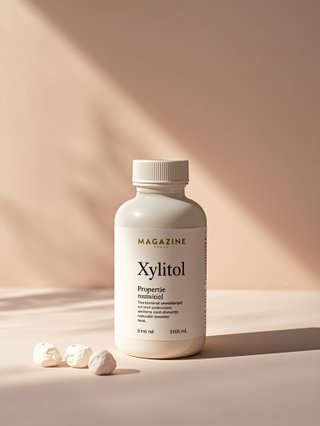
Across the discussed sections, the text categorizes sweetening options into sugar alcohols, commonly known as polyols such as xylitol and erythritol, alongside high-intensity synthetic sweeteners like aspartame, acesulfame potassium, and sucralose. While polyols occur naturally in modest concentrations within certain plants and are manufactured via industrial hydrogenation, intense synthetic alternatives originate entirely from chemical processes and are handled differently by human metabolic pathways. Each category presents distinct functional profiles, physiological interactions, and inherent trade-offs regarding natural origin versus industrial processing.
For daily application, readers are encouraged to approach all sweetening agents with mindfulness and moderation. Integrating alternatives into balanced meals can assist in managing sugar intake without sacrificing culinary enjoyment. Ultimately, these options serve as supportive dietary tools rather than miracle fixes, and the foundation of optimal health should always rest on a varied, nutrient-dense lifestyle.
This article is professional premium content (PRO) provided in its entirety.
Properties and Characteristics of Sweeteners: A Comparative Analysis with Traditional Sucrose
Sweets are defective
Sweets have their advantages
Want to apply these guidelines in your daily diet?
Our smart diet generator creates a tailored meal plan in 3 minutes based on the recommendations in this article.

mgr Emilia Szymańska
• 24.09.2026Diets Premium Expert
Diets Premium team expert. Specializes in nutrition plans, strength sports, and training plans.