Strawberries – nutritional values, health benefits and use in diet therapy
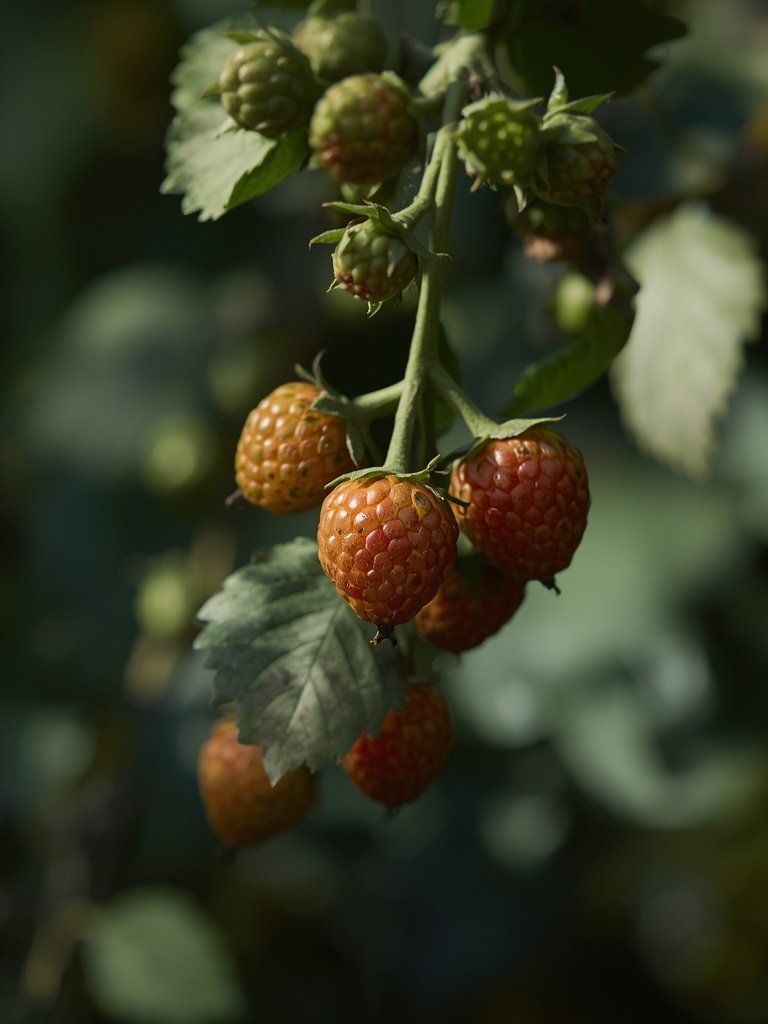
Table of Contents 4
Medical & Editorial Disclaimer (§3 Terms): This article is for informational and educational purposes only, does not constitute medical advice, diagnosis, or treatment, and is used at your own risk. Consult a qualified physician for medical conditions.
The primary health-promoting mechanisms of strawberries stem from their dense concentration of ascorbic acid and complex polyphenols. Key anthocyanins, most notably pelargonidin, work synergistically with ellagic acid and ellagitannins to neutralize reactive oxygen species and modulate inflammatory pathways. From a cardiometabolic perspective, these bioactive compounds support vascular health by enhancing endothelial nitric oxide production, mitigating atherogenic lipid oxidation, and promoting stable glycemic control through moderated carbohydrate digestion.
Integrating strawberries into a balanced daily diet provides robust antioxidant support for cardiovascular and metabolic wellness. However, individual sensitivities should be taken into consideration, particularly for individuals susceptible to salicylate reactivity, non-immune histamine release, or cross-reactive oral allergy syndrome linked to birch pollen. When well tolerated, these seasonal fruits serve as a highly nutritious component of protective, fruit-forward dietary patterns.
Botanical Origin and Macronutrient Matrix of Strawberries
The cultivated strawberry (Fragaria × ananassa) is an octoploid hybrid originating in 18th-century Europe from the deliberate cross of two wild strawberry species: the North American Fragaria virginiana and the Chilean Fragaria chiloensis. Botanically, what is culinarily perceived as the 'berry' is an enlarged aggregate accessory fruit (receptacle), whereas the true botanical fruits are the minute achenes dotting its red exterior.
The macronutrient distribution per 100 g of fresh strawberries comprises:
- Caloric density – approximately 32–33 kcal (136 kJ), conferring exceptional volume with minimal calories.
- Moisture – 91% total water content, aiding intracellular hydration during warm seasons.
- Carbohydrates – 7.7 g total, with only 4.9 g of simple monosaccharides (balanced between fructose and glucose).
- Dietary fiber – 2.0 g, rich in soluble pectic polysaccharides and insoluble structural celluloses.
- Protein and lipids – minimal, providing 0.7 g and 0.3 g respectively.
- Glycemic Index (GI) – low at approximately 40, paired with a minuscule Glycemic Load (GL ~3 per 100 g serving).
Ascorbic Acid and Polyphenolic Density – Antioxidant Capacity
The primary clinical value of strawberries lies in their extraordinary micronutrient and antioxidant density:
- Ascorbic acid (Vitamin C) – 100 g delivers 58–65 mg of bioavailable vitamin C, fulfilling nearly 80–100% of an adult's recommended dietary allowance (RDA), surpassing both lemons and oranges.
- Pelargonidin – the primary anthocyanin pigment conferring vibrant scarlet pigmentation; exerts potent radical-scavenging activity and modulates pro-inflammatory cytokines.
- Ellagic acid and ellagitannins – prominent hydrolyzable tannins displaying antimutagenic properties, protecting vascular endothelial tissue and serving as precursors for gut-derived urolithins.
- Folate (Vitamin B9) and Manganese – a 150 g serving supplies meaningful dietary folates (essential for hematopoiesis and DNA methylation) alongside manganese, a requisite cofactor for mitochondrial superoxide dismutase (SOD).
Cardiometabolic Benefits and Glycemic Regulation
Extensive clinical and human intervention trials substantiate the systemic cardiometabolic benefits of strawberries:
- Atherogenic lipid attenuation – daily strawberry intake (e.g., 500 g fresh or freeze-dried equivalents over 4 weeks) significantly suppresses total cholesterol, LDL-C, and serum triglycerides, while mitigating circulating oxidized LDL (ox-LDL).
- Endothelial vasodilation – strawberry flavonoids enhance endothelial nitric oxide synthase (eNOS) transcription, stimulating NO production, restoring microvascular elasticity, and supporting healthy systolic blood pressure.
- Postprandial glycemic moderation – co-ingestion of strawberries with high-carbohydrate meals attenuates postprandial glucose and insulin spikes via partial inhibition of intestinal alpha-amylase and alpha-glucosidase, making them exceptional adjuncts in insulin resistance and type 2 diabetes.
Allergies, Salicylate Sensitivity, and Culinary Selection
Despite widespread safety and palatability, specific physiological aspects warrant dietary attention:
- Cross-reactivity and pseudo-allergies – the Fra a 1 allergen (a pathogenesis-related PR-10 protein homologous to birch pollen Bet v 1) frequently induces oral allergy syndrome (OAS) in pollen-sensitized individuals. Furthermore, strawberries can trigger non-immune histamine release, causing cutaneous urticaria in sensitive subjects.
- Natural salicylates – high endogenous salicylate concentrations necessitate portion monitoring in diagnosed aspirin/salicylate-intolerant patients.
- Preparation guidelines – strawberries should always be rinsed under gentle cold water prior to removing the green calyx; hulling them beforehand causes nutrient leaching and water infiltration, diluting volatile aromas and accelerating decay.
- Culinary integration – ideal eaten fresh, folded into baby spinach or arugula salads with walnuts, blended into recovery protein shakes, or lightly frozen for antioxidant-rich sorbets.
Want to apply these guidelines in your daily diet?
Our smart diet generator creates a tailored meal plan in 3 minutes based on the recommendations in this article.
Tags

Laura Schneider
• 23.10.2026Diets Premium Expert
Diets Premium team expert. Specializes in nutrition plans, strength sports, and training plans.