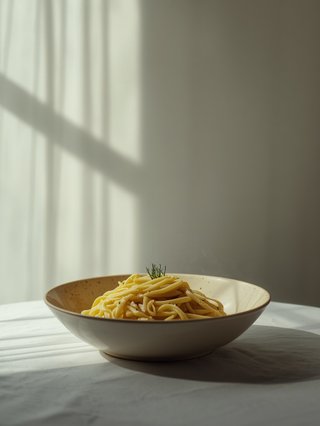
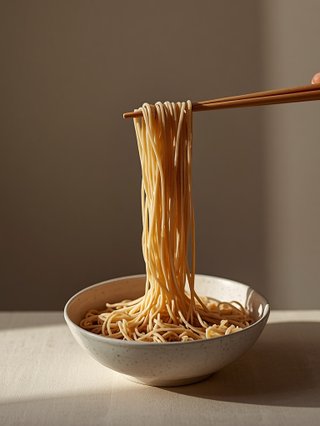
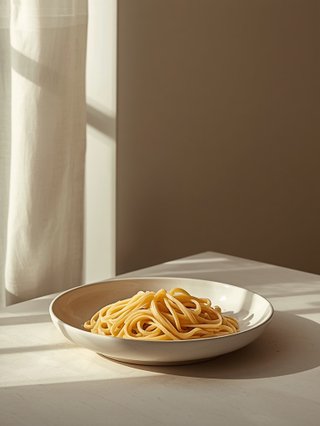
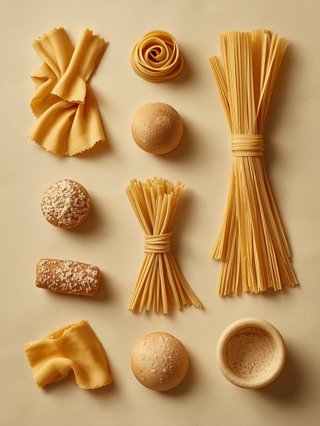
Shirataki (konjac noodles) – ingredient analysis, role in weight loss, potential side effects, and application
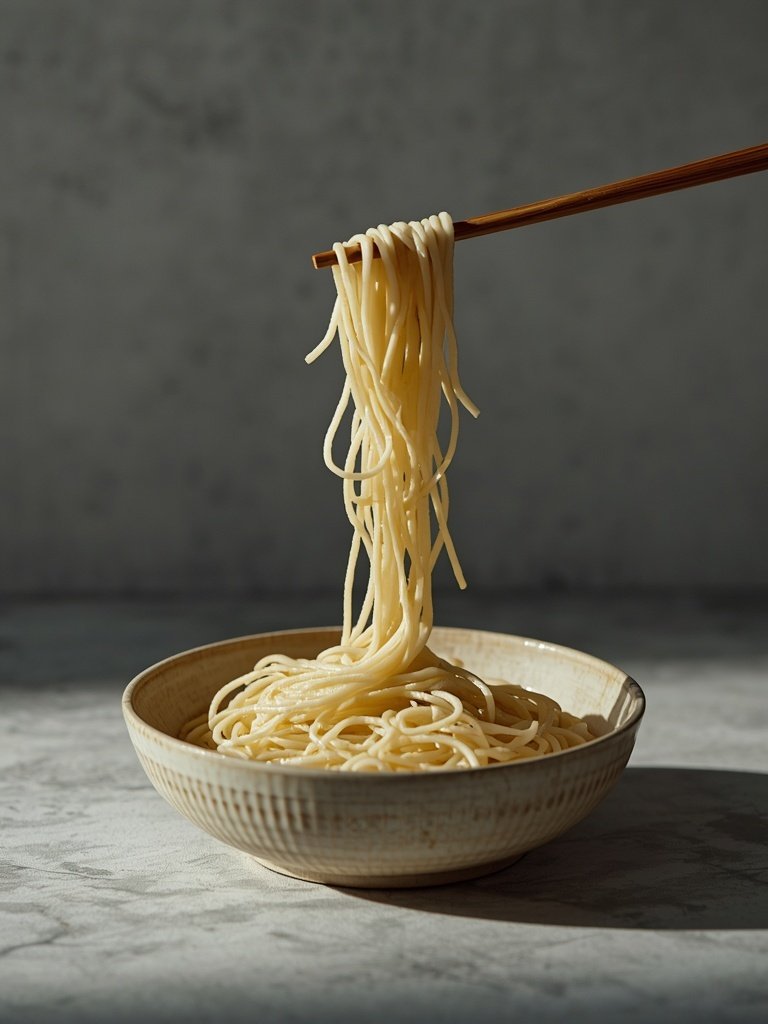
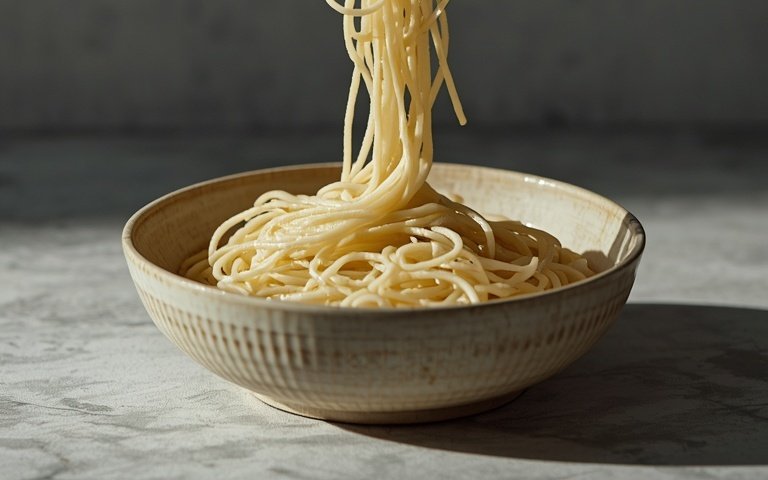
Table of Contents 5
Medical & Editorial Disclaimer (§3 Terms): This article is for informational and educational purposes only, does not constitute medical advice, diagnosis, or treatment, and is used at your own risk. Consult a qualified physician for medical conditions.
The physiological benefits of shirataki are primarily driven by the high viscosity of glucomannan, which expands within the digestive tract to promote a lasting sense of fullness. By slowing gastric emptying and modulating the absorption of nutrients, these noodles help maintain stable energy levels and support appetite control. Clinical insights suggest that integrating this fiber into a balanced lifestyle contributes to weight reduction goals by naturally limiting the desire for excessive food consumption while fostering a healthy gut environment.
To achieve the best culinary results, it is important to follow specific preparation steps such as thorough rinsing and brief parboiling to neutralize the natural scent of the mineral brine. Because of their dense fiber structure, they should be consumed with plenty of fluids and chewed thoroughly to ensure optimal digestion. When paired with nutrient-dense vegetables and lean proteins, shirataki serves as a versatile base that adopts the flavors of any cuisine, offering a practical way to enhance dietary adherence and long-term wellness.
This article is professional premium content (PRO) provided in its entirety.
What is Shirataki and the Konjac Plant?
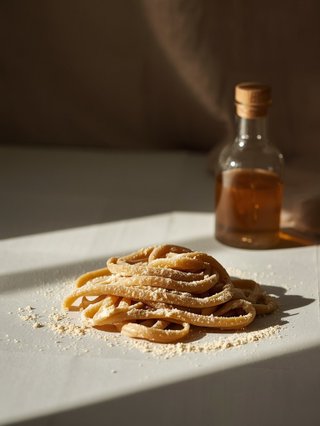
Shirataki noodles, historically known in Japan as 'white waterfall' owing to their translucent, cascading strands, are manufactured from the tuberous corm of Amorphophallus konjac (commonly known as the konjac plant or elephant yam). Cultivated across East and Southeast Asia for centuries, it has served both traditional Chinese medicine and local gastronomy as a gelling and thickening staple.
The root tubers of konjac are exceptionally dense in a distinct polysaccharide known as glucomannan. In food production, glucomannan flour is blended with water and a food-grade alkaline setting agent (typically calcium hydroxide / limewater), extruded into various noodle shapes (vermicelli, fettuccine, or rice-like grains), and boiled. The resulting product is characterized by a gelatinous, slightly chewy texture preserved in a mild liquid brine.
Nutritional Profile and Physiological Mechanics of Glucomannan
The nutritional matrix of shirataki noodles is unparalleled among staple foods:
- Minimal caloric density – 100 g of cooked noodles delivers only 8–10 kcal, representing a minute fraction compared to traditional dry durum pasta (~350 kcal/100 g).
- Water and fiber equilibrium – composition is strictly 96–97% water and 3–4% glucomannan; digestible carbohydrates, protein, and dietary fats are effectively zero.
- Hydration capacity – glucomannan possesses the highest water-holding capacity among soluble dietary fibers, expanding up to 50 times its dry weight to form a viscous hydrogel in the stomach.
- Metabolic regulation – this gel matrix substantially delays gastric emptying and carbohydrate uptake, moderating postprandial glycemic excursions and binding bile salts to lower serum LDL cholesterol levels.
Shirataki Noodles in Weight Management – Satiety Mechanisms and Clinical Evidence
Shirataki noodles represent one of the select functional foods whose active constituent—glucomannan—holds an authorized health claim from the European Food Safety Authority (EFSA), affirming that it contributes to weight reduction within an energy-restricted dietary regimen (at daily doses of 3 g glucomannan taken in three 1 g portions with 1–2 glasses of water before meals).
Key physiological pathways facilitating fat loss include:
- Prolonged satiety signaling – gastric volumetric expansion stimulates gastric mechanoreceptors, triggering the release of anorexigenic gut hormones (cholecystokinin, PYY, and GLP-1) while down-regulating ghrelin.
- Substantial caloric deficit without deprivation – swapping a standard serving of boiled pasta (~250 kcal) for shirataki (~15 kcal) eliminates over 200 kcal per meal while preserving visual plate volume and psychological meal satisfaction.
Adverse Effects, Gastrointestinal Contraindications, and Drug Interactions
While generally safe for healthy adults, the physicochemical characteristics of shirataki present definite clinical precautions:
- Choking and esophageal obstruction hazard – owing to their slippery elasticity and structural cohesion, noodles must be thoroughly masticated and accompanied by generous fluids. Individuals with dysphagia or mechanical esophageal strictures should avoid them completely.
- Gastrointestinal symptoms – rapid introduction of concentrated glucomannan into an unadapted gut microbiota can provoke abdominal cramps, flatulence, bloating, and osmotic diarrhea.
- Impaired drug bioavailability – the high-viscosity matrix can entrap oral pharmaceutical compounds (including levothyroxine, oral hypoglycemics, and contraceptives), attenuating therapeutic absorption. A minimum window of 1–2 hours between medication and shirataki intake is mandatory.
Culinary Preparation – Deodorization, Texture Optimization, and Cooking Tips
First-time consumers are often deterred by a noticeable fishy or brine-like aroma upon opening the vacuum pack, which stems from the alkaline calcium hydroxide brine. Proper kitchen preparation entirely neutralizes this odor:
- Step 1: Thorough cold water rinsing – drain noodles in a fine colander and rinse vigorously under running cold water for 2–3 minutes to wash away residual brine.
- Step 2: Quick blanching – plunge rinsed noodles into boiling water for 1–2 minutes, then drain thoroughly.
- Step 3: Dry pan-frying – transfer drained noodles to a dry, non-stick skillet over medium heat without oil for 2–4 minutes until excess moisture evaporates and the strands squeak slightly. This improves mouthfeel and enables the noodles to soak up sauces effectively.
- Step 4: Flavor pairing – having virtually zero inherent flavor, shirataki shines when tossed into bold Asian stir-fries (tamari, sesame, ginger, chili), rich vegetable broths (miso or ramen), or hearty tomato-herb sauces.
Want to apply these guidelines in your daily diet?
Our smart diet generator creates a tailored meal plan in 3 minutes based on the recommendations in this article.
Tags

Sophia Williams
• 23.10.2026Diets Premium Expert
Diets Premium team expert. Specializes in nutrition plans, strength sports, and training plans.