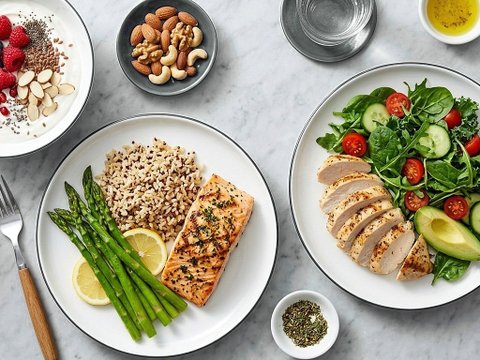
Burdock oil – bioactive properties and practical applications in health and cosmetics
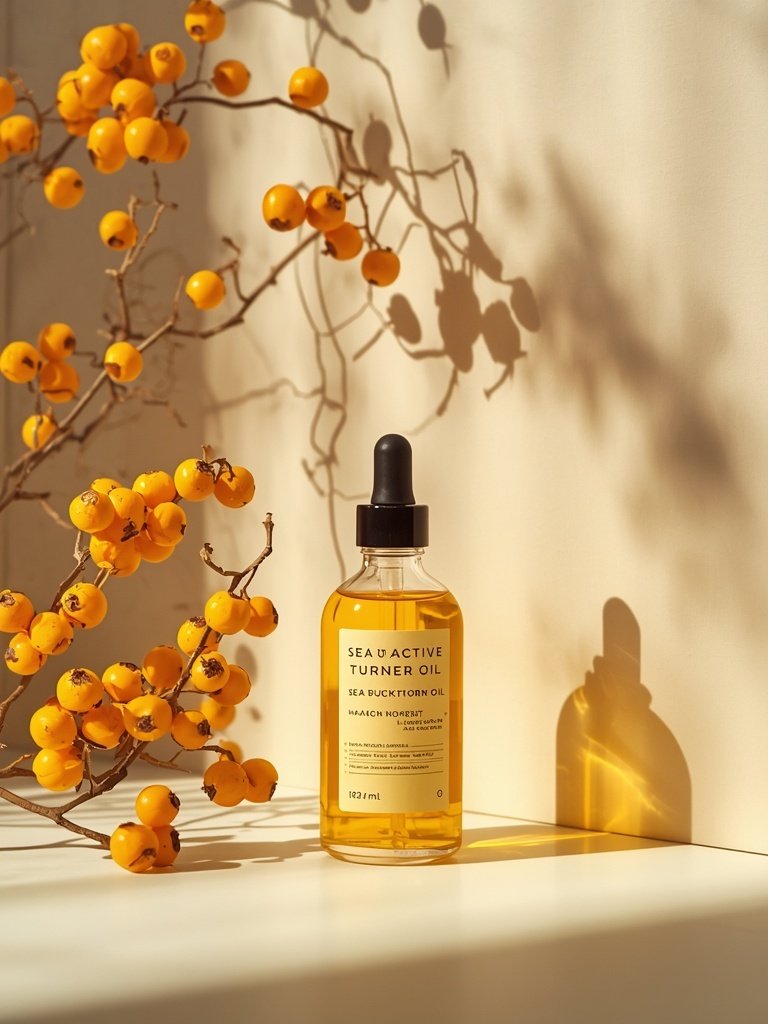
Table of Contents 4
Medical & Editorial Disclaimer (§3 Terms): This article is for informational and educational purposes only, does not constitute medical advice, diagnosis, or treatment, and is used at your own risk. Consult a qualified physician for medical conditions.
The therapeutic efficacy of the oil is derived from a synergistic complex of palmitoleic acid, carotenoids, and tocopherols. These constituents play a vital role in maintaining the integrity of human epithelium and mucous membranes, fostering moisture retention while providing potent antioxidant defense against free radicals. By supporting cellular repair and tissue rejuvenation, the oil serves as a versatile tool in both clinical support for mucosal health and advanced skincare routines.
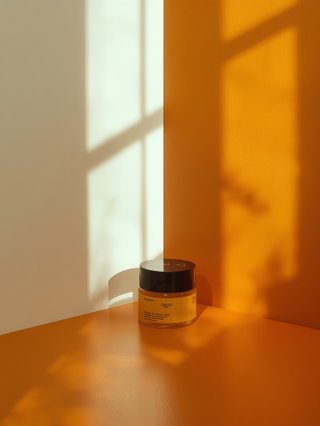
Practical application involves either oral supplementation before meals or topical integration into daily beauty rituals. Due to its vibrant pigmentation, blending a small amount with a moisturizer can help brighten the complexion and strengthen capillary walls. Additionally, applying the oil as a nourishing treatment for hair ends provides a simple yet effective method to utilize its restorative benefits, contributing to a comprehensive approach to daily health and aesthetic care.
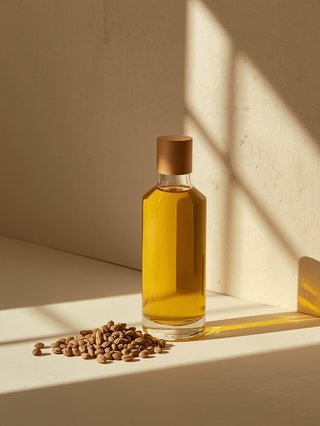
Sea buckthorn (Hippophae rhamnoides) represents an extraordinary natural reservoir of biologically active phytochemicals. Extracted from both its berries and seeds, sea buckthorn oil is distinguished by its vivid orange-ruby tint and an exceptional concentration of rare palmitoleic acid (omega-7), carotenoids, tocopherols, and flavonoids, delivering profound regenerative benefits for epidermal and mucosal tissues.
Botanical profile of sea buckthorn and extraction methods
Sea buckthorn is a thorny coastal and alpine shrub belonging to the Elaeagnaceae family. Two distinct oils are derived from the plant: berry fruit pulp oil (deep orange-red in color) and seed oil (pale golden-amber).
Fruit pulp oil is celebrated as one of nature's richest sources of palmitoleic acid (omega-7), whereas seed oil delivers an optimal balance of polyunsaturated omega-3 and omega-6 fatty acids.
Active constituents: omega-7, carotenoids, and vitamins
The singular therapeutic efficacy of sea buckthorn oil arises from a synergistic phyto-complex. Palmitoleic acid (omega-7) represents an essential structural lipid of human epithelium and mucous membranes, actively fostering moisture retention and tissue rejuvenation.
Additionally, the oil provides vast concentrations of beta-carotene and auxiliary carotenoids, vitamin E, sterols, and flavonoids that collectively exert potent cellular defense against free radicals.
Tissue regeneration: skin, mucous membranes, and gastrointestinal support
Taken orally, sea buckthorn oil exhibits remarkable protective and healing actions on gastric and duodenal mucosa, providing clinical support for ulcers, gastritis, and reflux. It is equally efficacious in relieving dry eye syndrome and menopausal mucosal dryness.
Topically administered, it accelerates the repair of burns, frostbite, bedsores, surgical scars, and radiation-induced dermatitis by soothing pain and encouraging rapid re-epithelialization.
Practical usage in skincare and dietary supplementation
For systemic health benefits, sea buckthorn oil is typically consumed at 1/2 to 1 teaspoon daily prior to meals or in standardized softgel capsules.
In skincare, due to its intense pigmentation, blending a few drops with a daily moisturizer or facial serum imparts a radiant complexion, smooths fine lines, and strengthens capillary walls. It is likewise beneficial as a nourishing serum for brittle hair ends.
Want to apply these guidelines in your daily diet?
Our smart diet generator creates a tailored meal plan in 3 minutes based on the recommendations in this article.
Tags

Alicja Kowalska
• 23.10.2026Diets Premium Expert
Diets Premium team expert. Specializes in nutrition plans, strength sports, and training plans.