Rice vinegar – characteristics, uses, and home production. What are the alternatives to rice vinegar in the kitchen?
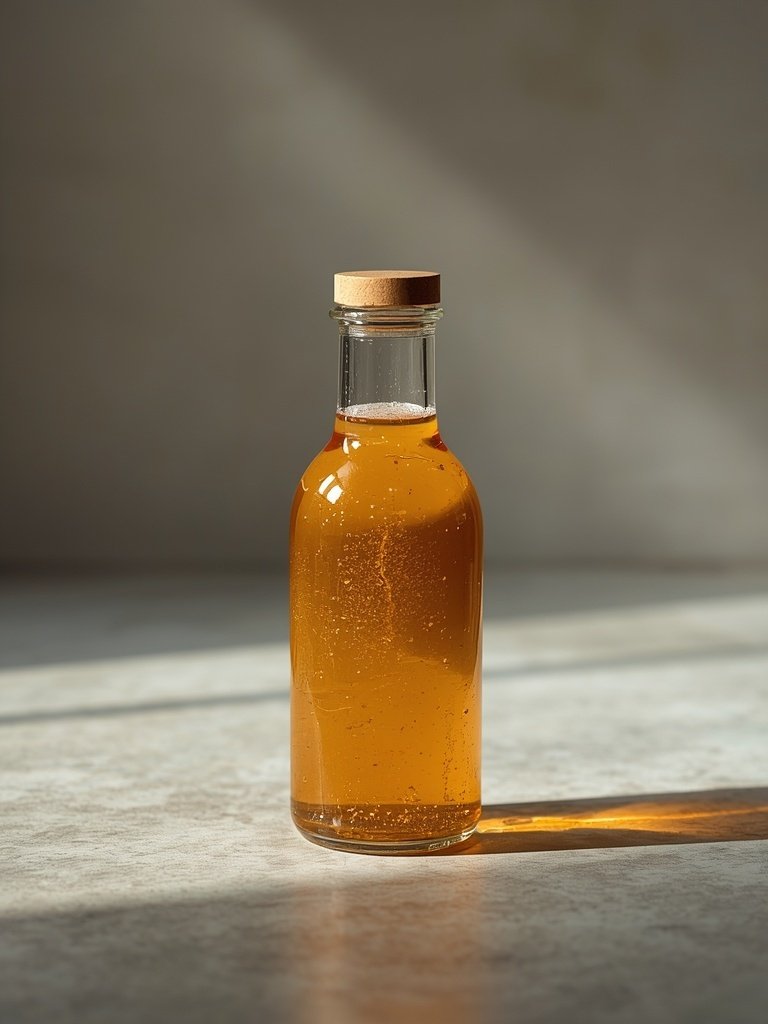

Table of Contents 4
Medical & Editorial Disclaimer (§3 Terms): This article is for informational and educational purposes only, does not constitute medical advice, diagnosis, or treatment, and is used at your own risk. Consult a qualified physician for medical conditions.
From a nutritional perspective, incorporating rice vinegar into meals offers qualitative benefits tied to its organic acid profile. The presence of acetic acid can help support normal digestive function by encouraging gastric acid secretion, thereby facilitating efficient nutrient absorption. Furthermore, emerging nutritional research suggests that acetic acid may help moderate postprandial blood glucose responses following carbohydrate-rich meals and support healthy insulin sensitivity, complemented by trace essential amino acids and antioxidant compounds present in the fermented liquid.
For those interested in artisanal food preparation, rice vinegar can be crafted at home through a patient, multi-stage fermentation process utilizing rice, water, sugar, yeast, and acetic acid bacteria. In everyday cooking, if authentic rice vinegar is unavailable, white wine vinegar, apple cider vinegar, or mild white balsamic vinegar serve as effective, accessible substitutes for vinaigrettes and Asian-inspired recipes. Adding a small pinch of sugar to these alternatives easily replicates the signature mild sweetness and clean acidity of traditional rice vinegar.
Rice vinegar serves as an indispensable ingredient not only in traditional sushi but also across a broad spectrum of Asian culinary preparations, including marinades, salads, and preserved vegetables. Its primary role in dishes is to impart a delicate, mildly sweet flavor profile while simultaneously extending shelf life through its preservative qualities. Beyond its culinary and practical advantages, however, does this versatile vinegar also harbor potential health-promoting properties worth exploring?
Characteristics and types of rice vinegar
Rice vinegar is produced through the fermentation of rice or rice wine and holds a deeply rooted position in East Asian culinary traditions. Several varieties exist, with Japanese and Chinese types being the most prominent. Japanese rice vinegar typically features a milder, more delicate flavor profile, whereas the Chinese counterpart is often sharper, more acidic, and robust. Particularly in Western gastronomy, rice vinegar has gained widespread popularity for seasoning vinaigrettes, marinades, and, notably, traditional sushi rice. Furthermore, dark and black varieties exist, crafted from glutinous rice or supplemented with millet and sorghum, offering a significantly richer, deeper, and almost malty aroma.
Health properties of rice vinegar
Beyond its culinary merits, rice vinegar offers several notable health benefits. Due to its organic acid content, it can support digestive processes by stimulating gastric acid secretion and facilitating optimal nutrient absorption. Emerging evidence suggests that acetic acid may help stabilize postprandial blood glucose levels following carbohydrate-rich meals and improve overall insulin sensitivity. Additionally, rice vinegar contains essential amino acids and antioxidant compounds that help combat oxidative stress, support immune function, and positively influence cardiovascular health parameters.
Homemade preparation of rice vinegar
Making rice vinegar at home requires patience and precision, yet it remains a fascinating culinary project. The process relies fundamentally on a two-stage fermentation: first, rice, water, and sugar are fermented using yeast to produce an alcoholic base similar to rice wine, which is subsequently converted into vinegar by acetic acid bacteria. Ingredients are combined in a fermentation vessel fitted with an airlock for several weeks. Following primary alcoholic fermentation, the vessel is covered with a breathable cloth to allow oxygen ingress, enabling acetic bacteria to transform the alcohol. After a final maturation period, the liquid is filtered and bottled.
Alternatives to rice vinegar in cooking
If rice vinegar is unavailable, it can be easily substituted with other types of vinegar in numerous recipes. White wine vinegar and apple cider vinegar serve as excellent alternatives because they offer a comparable, clean acidity. To closely mimic the characteristic mild sweetness of authentic rice vinegar, a small pinch of sugar can be added to the substitute. Milder white balsamic vinegar also works well in salad dressings and marinades. These smart substitutions ensure that Asian dishes and sushi rice can still be prepared with an authentic flavor profile.
Want to apply these guidelines in your daily diet?
Our smart diet generator creates a tailored meal plan in 3 minutes based on the recommendations in this article.
Tags

Kacper Nowak
• 25.11.2026Diets Premium Expert
Diets Premium team expert. Specializes in nutrition plans, strength sports, and training plans.