Proven home remedies for constipation – the role of diet and fiber


Table of Contents 4
Medical & Editorial Disclaimer (§3 Terms): This article is for informational and educational purposes only, does not constitute medical advice, diagnosis, or treatment, and is used at your own risk. Consult a qualified physician for medical conditions.
Key insights revolve around the distinction between soluble and insoluble fiber. Insoluble components function as a physical bulking agent, mechanically stimulating intestinal contractions, while soluble fiber forms a viscous gel, softening stool consistency and supporting the production of short-chain fatty acids through bacterial fermentation. Incorporating fermented foods and seeds is also crucial for nurturing a vibrant gut microbiome.
To support bowel health, focus on integrating whole grains, dried plums, and flaxseeds into your daily intake. Adequate fluid consumption is equally essential, as it maximizes the benefits of fiber intake. Furthermore, regular physical activity and adopting proper posture during elimination can significantly aid in achieving better intestinal regularity.
Constipation is among the most widespread gastrointestinal complaints, affecting millions across all demographics. Sedentary habits, chronic stress, and low-fiber diets significantly slow intestinal transit. Discover evidence-based natural solutions to restore bowel regularity and optimal gut motility.
What is constipation and what are its primary physiological causes?
From a clinical standpoint, constipation is defined as fewer than three bowel movements per week, accompanied by straining, discomfort, lumpy stools, or a sensation of incomplete evacuation. Hard, dry stool occurs when excessive water is reabsorbed by the colon due to delayed colonic transit.
Primary culprits include inadequate dietary fiber, dehydration, sedentary lifestyle, and habitually suppressing the urge to defecate. Secondary causes include medications (e.g., iron supplements, opioids, sedatives) and endocrine disorders such as hypothyroidism.
Dietary fiber: soluble and insoluble fractions in gut health
Dietary fiber is the cornerstone of constipation management. It is divided into insoluble and soluble fractions. Insoluble fiber (cellulose, lignin) acts as a physical bulking agent, increasing stool weight and mechanically stimulating peristaltic contractions.
Soluble fiber (pectins, inulin, beta-glucans) dissolves into a viscous gel, softening stool consistency and ensuring smooth transit. Furthermore, it undergoes colonic bacterial fermentation, generating short-chain fatty acids (SCFAs) like butyrate, which nourishes colonocytes and enhances motility.
Top foods that stimulate intestinal peristalsis
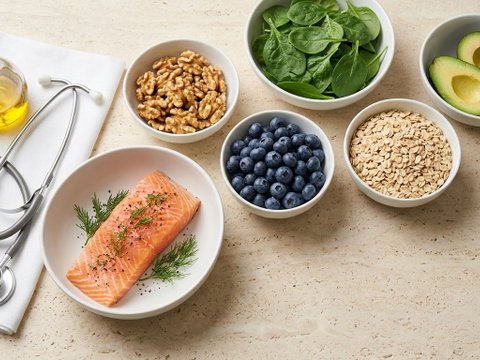
A gut-friendly daily meal plan should feature whole grains: buckwheat, pearl barley, rolled oats, 100% rye sourdough bread, and brown rice. Dried plums (prunes) and figs are especially potent due to their natural sorbitol content, which exerts a gentle osmotic laxative effect.
Freshly ground flaxseeds soaked in warm water, psyllium husk, and fermented dairy (kefir, buttermilk) as well as fermented vegetables (sauerkraut) should also be incorporated to foster a thriving, motile gut microbiome.
Hydration, physical activity, and healthy bowel habits
Increasing fiber intake without adequate hydration can paradoxically worsen constipation. Aim for at least 2 to 2.5 liters of non-carbonated water daily. A glass of lukewarm water upon waking triggers the gastrocolic reflex, encouraging natural morning evacuation.
Daily aerobic exercise (brisk walking, jogging, swimming) stimulates enteric smooth muscle contractions. In the bathroom, elevating feet onto a small footstool creates a 35-degree squatting angle, aligning the anorectal canal for effortless, complete elimination.
Want to apply these guidelines in your daily diet?
Our smart diet generator creates a tailored meal plan in 3 minutes based on the recommendations in this article.
Tags

Wojciech Wiśniewski
• 25.11.2026Diets Premium Expert
Diets Premium team expert. Specializes in nutrition plans, strength sports, and training plans.