Protein bars – homemade recipe. When is the best time to eat protein bars?
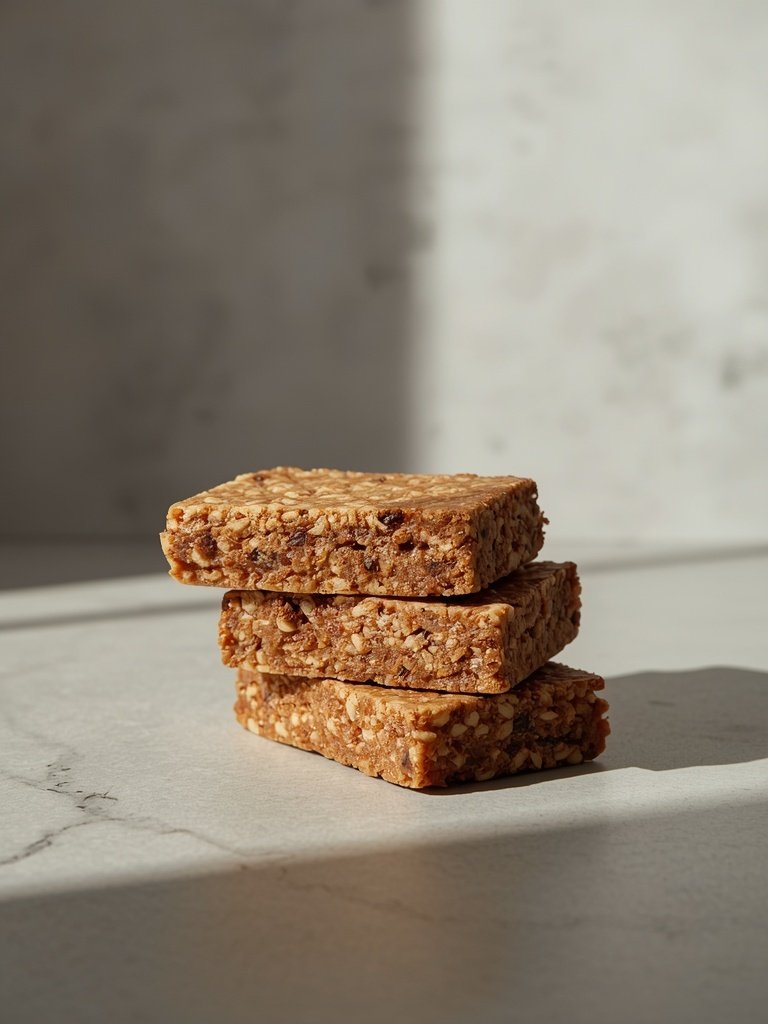
Table of Contents 3
Medical & Editorial Disclaimer (§3 Terms): This article is for informational and educational purposes only, does not constitute medical advice, diagnosis, or treatment, and is used at your own risk. Consult a qualified physician for medical conditions.
A critical focus of the topic centers on the vast difference between commercial offerings and homemade alternatives. Many store-bought bars carry hidden drawbacks, including refined sugars, high-fructose corn syrup, hydrogenated oils, and synthetic additives. In contrast, preparing protein bars at home allows complete control over every ingredient. Combining wholesome components such as cashew nuts, rolled oats, protein powder, milk, and almond butter creates a balanced snack that nourishes the body, aids muscle recovery, and satisfies sweet cravings in a natural way.
Integrating homemade protein bars into your daily routine is particularly beneficial during periods of tight scheduling or as a quick post-workout recovery option. Crafting these snacks requires no complex culinary equipment or advanced techniques, making it an accessible habit for anyone. By choosing self-prepared options made from whole food ingredients, you can effectively avoid unwanted additives while ensuring your body receives high-quality nourishment whenever hunger strikes.
Protein Bars – Characteristics, Types, Ingredients, and Nutritional Value
Protein bars and rods represent a category of food products characterized by complex and varied formulations that, despite their advertised high protein content, frequently incorporate a range of controversial and potentially deleterious ingredients. These include refined sugars, high-fructose corn syrup (HFCS), partially hydrogenated vegetable oils, as well as synthetic colorants and chemical preservatives. Notably, compositional analyses reveal that the majority of bars marketed as "designed for athletes" or "supportive of weight management" exhibit minimal nutritional distinctions from conventional confectionery bars available in retail outlets. Even without specialized dietary expertise, it is evident that such products—owing to their elevated levels of rapidly digestible carbohydrates and trans fats—may contribute to adipose tissue accumulation and metabolic disturbances.
Nonetheless, the market does offer select protein bars with more favorable nutritional profiles, devoid of trans fats, simple sugars, and artificial sweeteners. It is important to emphasize, however, that even these alternatives often rely predominantly on plant-based proteins—such as soy, wheat, or other sources of inferior biological value, which are considered secondary raw materials in terms of digestibility and amino acid completeness. Observably, only a limited number of products contain high-quality whey proteins (WPC/WPI) without undesirable additives, and these tend to command significantly higher prices compared to standard offerings. Furthermore, premium-tier bars are commonly sweetened with polyols—a class of sugar alcohols widely utilized in food manufacturing as sugar substitutes. Polyols, including sorbitol, mannitol, isomalt, maltitol, erythritol, and xylitol, are distinguished by approximately 40% lower caloric density, reduced glycemic and insulinemic indices, and distinct metabolic pathways relative to sucrose or HFCS. While their incorporation may yield benefits for weight loss or glycemic control, it is critical to acknowledge that polyols are poorly tolerated by some individuals, with excessive consumption potentially leading to gastrointestinal distress—such as bloating, diarrhea, or abdominal discomfort.
The optimal timing for consuming homemade protein bars – when should you reach for them?
Homemade Protein Bars – A Straightforward and Nutrient-Dense Recipe for Optimal Nutrition
Want to apply these guidelines in your daily diet?
Our smart diet generator creates a tailored meal plan in 3 minutes based on the recommendations in this article.

Alicja Kowalska
• 25.09.2026Diets Premium Expert
Diets Premium team expert. Specializes in nutrition plans, strength sports, and training plans.