Pica Syndrome (Pica) – causes, symptoms, and treatment of unrestrained appetite for non-food substances


Table of Contents 4
Medical & Editorial Disclaimer (§3 Terms): This article is for informational and educational purposes only, does not constitute medical advice, diagnosis, or treatment, and is used at your own risk. Consult a qualified physician for medical conditions.
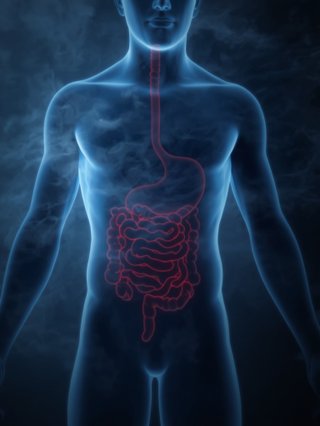
The physiological etiology of pica is frequently linked to profound micronutrient deficiencies, particularly those involving iron or zinc. In many instances, the body manifests an overwhelming craving for substances like soil, clay, or ice as a direct response to severe anemia or other metabolic gaps. Beyond the nutritional aspect, the ingestion of these items poses serious gastrointestinal risks, including obstruction and toxicity, necessitating a thorough clinical evaluation to identify the root cause, whether it be biochemical or psychological in nature.
Practical management of pica requires a proactive approach centered on professional medical diagnosis and evidence-based therapeutic support. Individuals experiencing these compulsions should seek guidance from healthcare providers to address potential nutrient deficiencies through appropriate supplementation and clinical monitoring. By focusing on restoring internal balance and addressing the underlying health triggers, patients can effectively manage their cravings and reduce the likelihood of long-term complications.
Pica syndrome (picacism) is a distinct and clinically serious eating disorder defined by the persistent, compulsive ingestion of non-nutritive, non-food substances—such as soil (geophagia), raw clay, chalk, charcoal, laundry starch (amylophagia), or ice (pagophagia)—persisting for at least one month. Most commonly diagnosed in pediatric patients, pregnant women, and individuals with developmental or psychiatric disorders, pica is frequently a biomarker of profound micronutrient deficiency, particularly iron-deficiency anemia or severe zinc depletion. This clinical review evaluates the neurochemical etiologies, gastrointestinal obstruction risks, diagnostic criteria, and evidence-based therapeutic protocols for pica.
Pica Disorder, characterized by an uncontrollable compulsion to ingest non-food items
Pica Syndrome – Etiological Factors
Pica Disorder - Diverse Forms and Characteristics
Therapeutic interventions for Pica syndrome – medical support
Want to apply these guidelines in your daily diet?
Our smart diet generator creates a tailored meal plan in 3 minutes based on the recommendations in this article.

mgr Felix Weber
• 25.11.2026Diets Premium Expert
Diets Premium team expert. Specializes in nutrition plans, strength sports, and training plans.