Pistachios – salted, roasted and pregnancy: are peanuts worth eating during this special period?
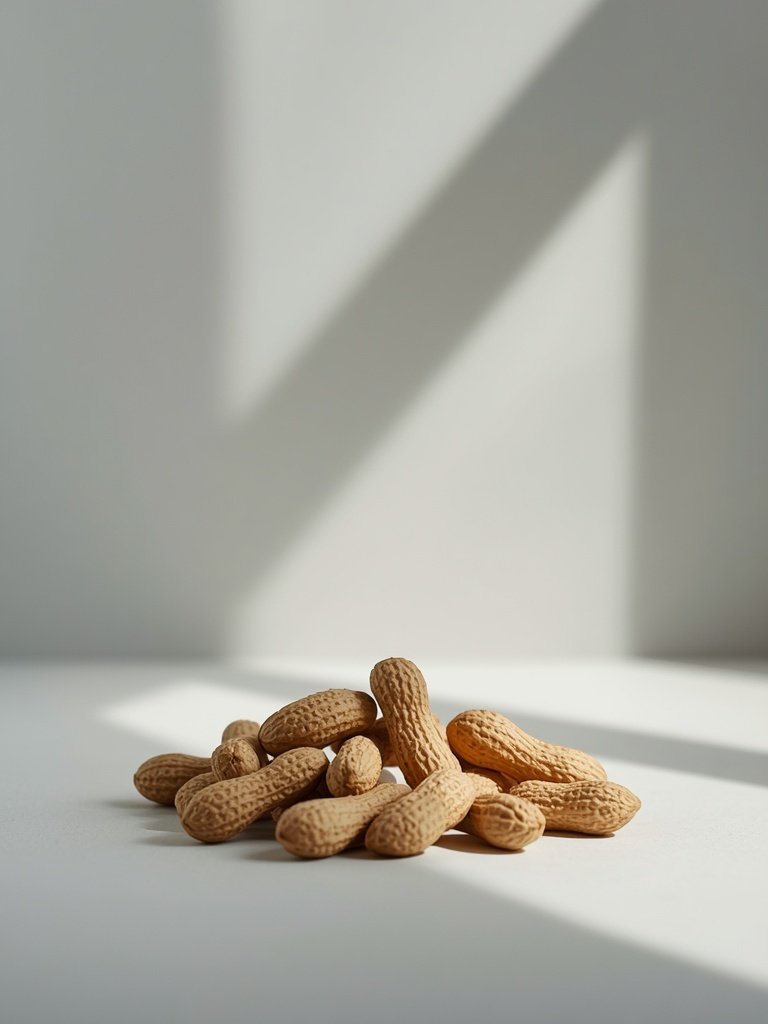
Table of Contents 4
Medical & Editorial Disclaimer (§3 Terms): This article is for informational and educational purposes only, does not constitute medical advice, diagnosis, or treatment, and is used at your own risk. Consult a qualified physician for medical conditions.
The physiological benefits of peanuts are driven by their ability to enhance endothelial function and regulate lipid metabolism through healthy fatty acids. Their unique structural composition, combining viscous fiber and protein, triggers satiety signals that help manage appetite naturally. Furthermore, contemporary immunological insights have shifted the perspective on pregnancy, suggesting that maternal consumption may actually foster immune tolerance in the developing child, moving away from older precautionary avoidance strategies that lacked robust clinical evidence.
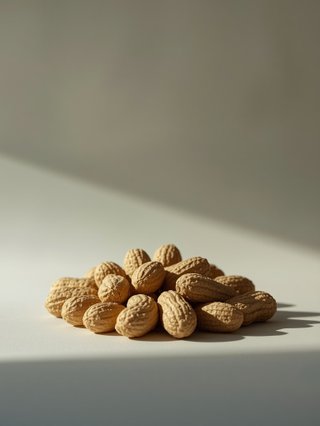
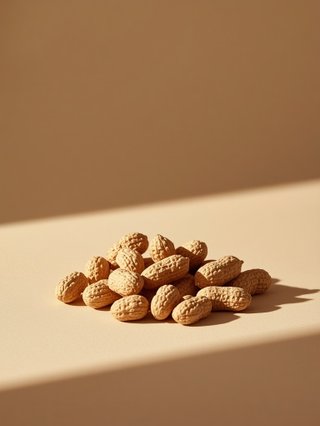
For daily wellness, prioritizing raw or dry-roasted peanuts over heavily salted or oil-fried varieties is essential to maintain their cardioprotective qualities. Integrating them into meals in their most natural form, such as whole peanuts in the shell, encourages mindful eating and slower consumption. While they are a nutrient-dense addition to a balanced lifestyle, individuals should remain cautious of highly processed retail snacks with added sugars or excessive sodium to ensure the health benefits remain uncompromised.
Peanuts, botanically classified as legumes (Arachis hypogaea) yet nutritionally consumed as nuts, rank among the most widely enjoyed functional foods worldwide. They feature a concentrated nutritional matrix rich in heart-healthy monounsaturated and polyunsaturated fats, plant-derived proteins, dietary fiber, and critical micronutrients including magnesium, potassium, vitamin E, and folate. Regular consumption supports lipid metabolism, endothelial function, and glycaemic regulation. However, commercial processing techniques—such as heavy salting, deep frying, or sweetened coatings—alter their dietary quality, while their potent allergenic proteins raise common clinical questions regarding safety during pregnancy and lactation.
The Nutritional Profile of Peanuts: Healthy Fats, Plant Protein, and Micronutrients
Peanuts (Arachis hypogaea), native to South America, are botanically categorized as legumes rather than true culinary tree nuts. Their subterranean pod development gives them the alternate name groundnuts. Despite this legume heritage, their nutritional composition mirrors and in some respects surpasses that of tree nuts, establishing them as a dense functional whole food.
A 100 g portion of raw or dry-roasted peanuts provides approximately 560–600 kcal, characterized by roughly 48–50 g of lipids, 25–28 g of high-quality plant protein, and 8–9 g of dietary fiber:
- Cardioprotective lipid profile: Over 80% of peanut lipids consist of unsaturated fatty acids, primarily monounsaturated oleic acid alongside polyunsaturated linoleic acid. This lipid configuration supports favorable plasma lipid profiles by downregulating circulating low-density lipoprotein (LDL) particles without impairing high-density lipoprotein (HDL) levels.
- Arginine-rich plant protein: Peanuts are one of the richest dietary sources of the amino acid L-arginine, the physiological precursor to nitric oxide (NO). Endothelial NO synthesis is essential for vasodilation, optimal arterial elasticity, and healthy systemic blood pressure control.
- Essential trace minerals: They supply concentrated amounts of magnesium and potassium, two critical electrolytes that modulate vascular tone, cardiac rhythms, and insulin sensitivity. Trace amounts of copper and manganese support endogenous antioxidant enzyme systems like superoxide dismutase.
- Lipid-soluble antioxidants: Peanuts contain significant quantities of alpha-tocopherol (vitamin E) and bioflavonoids such as resveratrol. These constituents scavenge reactive oxygen species and mitigate lipid peroxidation across cellular membranes.
- Endogenous folate: As naturally rich reservoirs of dietary folate (vitamin B9), peanuts support DNA methylation, purine synthesis, and rapid cellular replication during times of elevated metabolic turnover.
Raw, Roasted, or Salted? The Impact of Processing and Additives on Health
The health impact of peanuts is profoundly shaped by commercial processing methods. While unadulterated groundnuts offer remarkable cardiometabolic advantages, heavily processed retail variations can undermine these benefits:
- Raw or in-shell peanuts: Purchasing intact peanuts in their natural pods remains the gold standard. Cracking the fibrous shells requires physical engagement, naturally pacing consumption and activating satiety cues before excessive caloric intake occurs. Furthermore, the intact shell and inner skin (pellicle) shield unsaturated fatty acids from oxidative degradation while supplying concentrated polyphenolic catechins.
- Dry-roasted variants: Gentle dry roasting without supplemental frying oils enhances palatability and reduces antinutritional compounds such as phytates, without substantially altering the monounsaturated lipid backbone. While slight reductions in heat-sensitive thiamine may occur, dry-roasted, unsalted nuts retain high biological utility.
- Salted commercial peanuts: Excessive dietary sodium intake directly antagonizes vascular endothelial homeostasis, elevating intravascular volume and exacerbating arterial hypertension. Consuming salted peanuts habitually negates their inherent antihypertensive mineral balance (high potassium, moderate magnesium).
- Oil-fried and batter-coated snacks: Many inexpensive snack-aisle peanuts are submerged in low-grade, repeatedly heated vegetable oils, creating trans-fatty acids and oxidation byproducts. Variants coated in wheat starch batters, barbecue seasonings, or sweet coatings contribute refined carbohydrates, synthetic flavoring agents, emulsifiers, and unnecessary caloric density that trigger sharp postprandial glucose surges.
To maximize clinical benefits, healthcare professionals recommend prioritizing raw, in-shell, or dry-roasted unsalted varieties, as well as 100% natural peanut butter free from palm oil, trans fats, and added sugars.
Peanuts During Pregnancy and Lactation: Dispelling Allergy Myths with Modern Science
Peanuts contain major allergenic storage proteins (notably Ara h 1, Ara h 2, and Ara h 3) capable of eliciting severe, immunoglobulin E (IgE)-mediated hypersensitivity reactions, including fatal anaphylaxis. Consequently, public health guidelines in the late 1990s routinely advised pregnant mothers—especially those with an atopic family history—to eliminate peanuts to minimize fetal allergen exposure.
Subsequent landmark immunology research has completely overturned this paradigm:
- Immune tolerance induction: Modern pediatric allergy science, pioneered by the landmark LEAP (Learning Early About Peanut Allergy) trial and extensive observational cohorts, demonstrates that prenatal and lactational antigen exposure does not trigger congenital atopy. Instead, transplacental passage of micro-antigens in combination with maternal antibodies promotes regulatory T-cell (Treg) maturation and immune tolerance induction.
- Current clinical consensus: Modern pediatric and obstetrical guidelines (including the American Academy of Pediatrics, AAP, and the European Academy of Allergy and Clinical Immunology, EAACI) explicitly state that pregnant and nursing women should not practice prophylactic dietary restrictions. Avoiding peanuts during pregnancy offers no protective benefit against pediatric eczema, asthma, or food allergies.
- Maternal and fetal nutritional support: Incorporating peanuts into maternal diets provides foundational building blocks for gestational development: bioavailable folate mitigates neural tube defect risks, L-arginine supports placental blood perfusion via endothelial vasodilation, and plant proteins furnish essential amino acids for fetal organogenesis.
Absolute contraindication: If the mother herself suffers from a clinically confirmed peanut allergy, absolute dietary exclusion must be rigorously maintained throughout gestation and lactation to prevent maternal anaphylaxis and subsequent severe fetal hypoxia.
Weight Management, Recommended Portions, and Clinical Contraindications
Historically, the high lipid density of peanuts led to assumptions that they promote weight gain. Extensive epidemiological observations and randomized clinical trials have dispelled this misconception, demonstrating that habitual, moderate nut intake inversely correlates with obesity and metabolic syndrome:
- High satiety score and appetite regulation: The unique structural matrix of peanuts—integrating concentrated plant protein, viscous dietary fiber, and unsaturated fatty acids—prolongs gastric emptying. This suppresses ghrelin secretion while augmenting intestinal satiety peptides (cholecystokinin and peptide YY), effectively lowering subsequent energy intake throughout the day.
- Incomplete lipid bioaccessibility: Due to intact plant cell wall architecture (parenchymal tissue), mechanical mastication fails to release all intracellular lipids. Fecal energy excretion studies indicate that 5% to 15% of the gross energy in intact nuts passes unabsorbed through the gastrointestinal tract.
- Glycaemic stability and insulin sensitivity: Boasting an extremely low glycaemic index (GI ≈ 14) and load, peanuts do not cause acute postprandial glucose excursions. Furthermore, their magnesium and polyphenol content actively enhances peripheral insulin signaling pathways.
Optimal portion sizing: Clinical nutritionists recommend a standard daily portion of approximately 30 grams (roughly a modest handful) or 1–2 tablespoons of single-ingredient, unsweetened peanut butter. This amount optimizes micronutrient intake without inducing an energetic surplus.
Safety precautions and contraindications: Absolute avoidance is mandatory for patients with confirmed peanut hypersensitivity. Additionally, attention must be paid to fungal mycotoxins (specifically aflatoxins produced by Aspergillus species). Sourcing properly inspected, correctly stored products and discarding discolored, damp, or bitter-tasting groundnuts safeguards against hepatotoxic mycotoxin exposure.
Want to apply these guidelines in your daily diet?
Our smart diet generator creates a tailored meal plan in 3 minutes based on the recommendations in this article.

mgr Felix Weber
• 23.10.2026Diets Premium Expert
Diets Premium team expert. Specializes in nutrition plans, strength sports, and training plans.