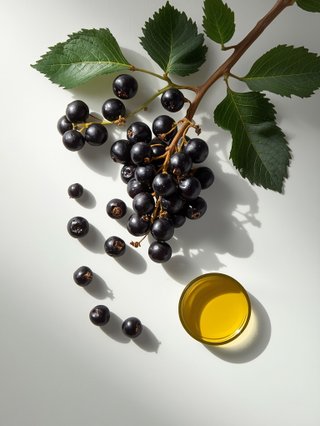
Optimal choice of cooking oils: which are suitable for frying, stewing, and baking – analysis of smoke point and uses
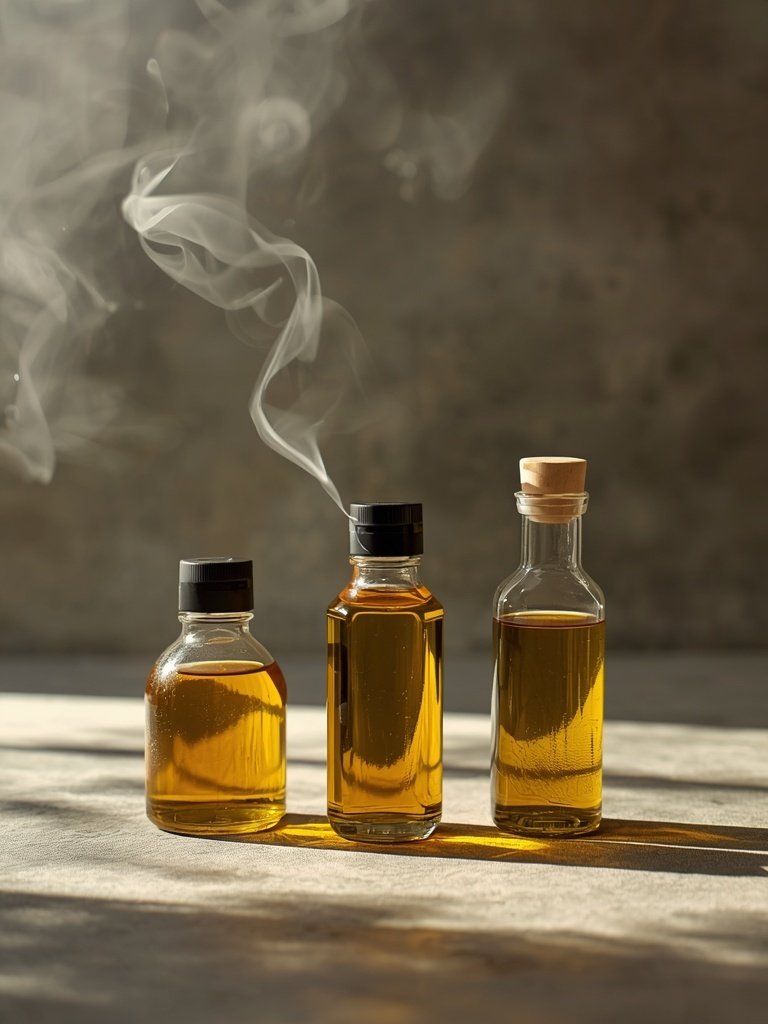
Table of Contents 5
Medical & Editorial Disclaimer (§3 Terms): This article is for informational and educational purposes only, does not constitute medical advice, diagnosis, or treatment, and is used at your own risk. Consult a qualified physician for medical conditions.
The physiological impact of cooking oils is largely determined by their oxidative stability and the specific threshold known as the smoke point. Monounsaturated fats found in olive and avocado oils possess a robust conformation that resists the formation of polar compounds during heating, aided by naturally occurring antioxidants. Conversely, polyunsaturated oils such as flaxseed or borage oil are highly volatile; when exposed to heat, they undergo rapid polymerization, which can compromise their health-promoting properties and lead to the formation of cytotoxic substances.
Practical application in daily nutrition requires a strategic division of fats based on their intended use. For high-heat techniques like frying, stable options such as refined avocado oil or ghee are preferred to maintain chemical purity. Baking and stewing are best served by versatile fats like extra virgin olive oil or coconut oil, while delicate, cold-pressed oils should be strictly reserved for raw dressings and finishing touches to preserve their sensitive omega fatty acids and aromatic complexity.
The food market provides a diverse selection of edible oils, varying in composition, origin, and thermal properties. Do you automatically reach for the same product, assuming it will perform well in every culinary scenario? A thoughtful choice should consider not only flavor but also thermal stability, fatty acid composition, and production method. This article presents comprehensive criteria for selecting the appropriate oil based on cooking techniques. Before settling on a specific product, consider which parameters are most critical to you—whether it be high processing temperatures, health benefits, or the intensity of aroma.
Smoke point and lipid oxidative stability mechanisms
The smoke point designates the temperature threshold at which a cooking oil undergoes thermal degradation, producing volatile acrolein, polar compounds, and lipid peroxides. However, oxidative stability—determined by fatty acid saturation and intrinsic antioxidant polyphenol content—is an equally critical determinant of culinary safety.
Saturated fatty acids (SFAs) and monounsaturated fatty acids (MUFAs) possess robust molecular conformations resistant to thermal peroxidation, whereas polyunsaturated fatty acids (PUFAs) rapidly oxidize under high temperatures.
Optimal culinary fats for shallow and deep frying
Thermal food processing at elevated temperatures (160–200°C) demands fats rich in MUFAs and heat-stable SFAs:
- Extra Virgin Olive Oil: Contrary to persistent myths, EVOO demonstrates exceptional oxidative resistance due to high oleic acid concentration (70–80%) and protective biophenols.
- Refined Avocado Oil: Exhibits an exceptionally high smoke point (> 250°C) with a predominantly monounsaturated profile.
- Clarified Butter (Ghee): Devoid of milk proteins and moisture, providing heat stability up to 250°C.
- Refined Canola Oil: Neutral flavor and a smoke point near 240°C, suitable for high-heat cooking.
Fats optimized for baking and stewing
During stewing, aqueous moisture caps working temperatures around 100°C, permitting a broader range of culinary lipids (EVOO, butter, canola). For oven baking (160–180°C), preferred options include:
- Virgin Coconut Oil: High in saturated medium-chain fatty acids (lauric acid), lending thermal stability and delicate aroma to pastries.
- Mild Olive Oil: Ideal for roasted vegetables and savory casseroles.
- Traditional Butter: Imparts distinct texture and organoleptic properties in controlled-temperature baking.
Cold-pressed culinary oils: strictly for raw consumption
Lipids rich in polyunsaturated omega-3 and omega-6 fatty acids must never be subjected to thermal cooking. Heat triggers immediate polymerization and generation of cytotoxic lipid hydroperoxides:
- Flaxseed Oil: Exceptional reservoir of alpha-linolenic acid (ALA, omega-3), demanding refrigeration and raw service exclusively.
- Evening Primrose and Borage Oil: Concentrated sources of gamma-linolenic acid (GLA), supporting cutaneous integrity and hormonal balance.
- Pumpkin Seed and Black Seed Oil: Rich in phytosterols and bioactive thymoquinone, delivering antimicrobial and anti-inflammatory properties.
It's an oil for the cold
Want to apply these guidelines in your daily diet?
Our smart diet generator creates a tailored meal plan in 3 minutes based on the recommendations in this article.
Tags

Mia Hoffmann
• 25.11.2026Diets Premium Expert
Diets Premium team expert. Specializes in nutrition plans, strength sports, and training plans.