Consistently following a balanced nutrition plan not only enhances overall health but also slows down aging processes. To maintain a radiant complexion and vitality, there's no need for extreme diets or expensive products. The key lies in sensible eating based on natural ingredients. The earlier you adopt these recommendations, the longer you'll enjoy a youthful appearance and well-being.
02 / 03
The youth diet is the rule
Basic principles we should follow when adopting an anti-aging diet are:
1. Antioxidants above all! Antioxidants are compounds belonging to biologically active substances. They are responsible for neutralizing the activity of free radicals formed as a result of processes such as frying, smoking, or improper storage. Antioxidants include, among others, vitamins (A, C, E), mineral components (calcium, selenium), carotenoids, polyphenolic compounds, chlorophyllins, glutathione, indole, phytates, thiocyanates, isomers of linoleic acid, or Maillard reaction products (melanoids). These compounds are characterized by high antioxidant activity, and consequently anti-inflammatory, antiviral, and anticancer effects.. They are recommended for the prevention of atherosclerosis.. Furthermore, it is also believed that plant polyphenols counteract the formation of ulcers in the stomach and duodenum caused by stress, medications, and alcohol.. 2. Low-energy diet
In the source material, the anti-aging diet is described as a low-energy diet, where caloric restriction ranges from 30% to 50% of daily energy requirements. However, the nutrient content must not be reduced. It is assumed that limiting the calories supplied to the body by 30% prolongs life and also reduces the risk of developing Alzheimer's disease, diabetes, and atherosclerosis. 3. Abstaining from processed foods, sugar, and sweets
One should avoid fast food, sugary soft drinks, sweets, instant meals, and other highly processed products. Refined sugar and high-fructose corn syrup significantly accelerate the aging process of the body. Rapid increases in blood sugar cause changes in cell structure, which in turn trigger inflammation in the body. Inflammation intensifies skin changes and contributes to deeper wrinkles. Furthermore, sugar slows down the production of collagen and elastin. If we do not want to completely give up sweet taste, we can use sugar substitutes such as honey, stevia, or xylitol.. 4. Avoiding trans fats and hydrogenated fats in favor of healthy fats
It should be emphasized that in an anti-aging diet, we do not avoid fats, as they provide cells with elasticity and nutrient permeability and enable the removal of unnecessary metabolic byproducts. They are also essential for maintaining hormonal balance, strong hair and nails, and healthy skin appearance. By eliminating all fats from the diet, we block the absorption of vitamins A, D, E, K. As a result, instead of rejuvenating and beautifying, we are heading towards bodily degeneration. However, let's remember that healthy fats are essential for the proper regeneration of old and the building of new cells. However, let's be careful of TRANS fats, which lead to the loss of health and youthful appearance.
5. Consuming vegetables and fruits, using spices
The more meals that contain vegetables and fruits in their composition, the better... Green vegetables are rich in chlorophyll and folic acid, as well as magnesium, calcium, potassium... They detoxify the body and support weight loss... Orange and yellow vegetables contain a lot of beta-carotene and vitamin C... They are beneficial for beauty and protect against cancer... Red vegetables are rich in antioxidants... They strengthen the heart and circulatory system and also help lower cholesterol levels. Purple vegetables support the digestive system and contain antioxidants.. White vegetables contain natural antibiotics, have anti-inflammatory, antiviral, and antibacterial effects.. Spices that have a beneficial effect on our body include, among others, ginger, turmeric, garlic, basil, chili, and oregano.. 6. Enriching the diet with protein
Protein, as the basic building block of our body, is responsible for... in. For the proper rebuilding of cells. Furthermore, it ensures proper brain function and maintains a stable blood sugar level. Fiber and omega 3, 6, and 9 fatty acids are necessary for proper protein absorption. Protein in the diet = fewer wrinkles. However, it should be remembered that consuming large amounts of animal protein acidifies the body. 7. Fiber in the diet
Fiber regulates bowel function, prevents constipation, lowers cholesterol levels, and also regulates blood glucose levels. We can find it in vegetables, fruits, and cereals. 8. Water
The right level of water in the body is the basis of good well-being.. As we know, water performs a number of important functions.. It is an essential element of the digestion and metabolism process, transports all components throughout the body, regulates body temperature, and also removes toxins from the body.. Proper hydration is a condition for good appearance.. The skin becomes soft, gains a young and radiant look.. 9. We limit toxins in our environment
Let's not eat burnt or scorched food.. The proper selection of products is important, so let's carefully read labels and try to choose those with the fewest preservatives, artificial colors, or emulsifiers.. Let's watch out for heavy metals, bacteria, molds, alcohol, and cigarette smoke.. 10. Physical activity
It has been known for a long time that the benefits of exercising are countless.. These are...
to reduce the risk of obesity, reduce the risk of heart disease, lower the lipid profile, including cholesterol, reduce the risk of cancer, prevent the development of arterial hypertension, strengthen muscles and bones, ensure mental health and better well-being.
03 / 03
Youth diet Recommended products
The richest source of antioxidants are of course fruits and vegetables, preferably grown naturally.. Unfortunately, those produced on a mass scale very often
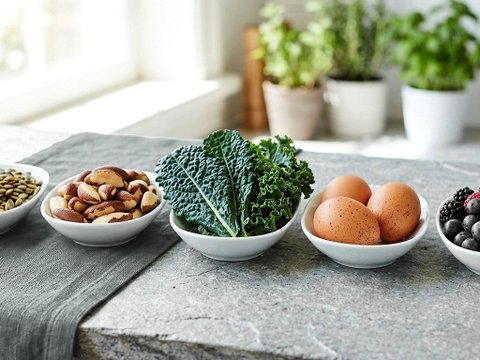
lose most of their most valuable nutrients, and thus their beneficial power. It is impossible to list all healthy and valuable plants, but raspberries, grapefruit, acai berries, goji, noni, American blueberries, broccoli, green tea, carrots, onion, garlic deserve special attention. The main source of complete protein is meat (beef, chicken, fish, turkey) and animal products such as eggs, cheeses, and fermented dairy products. Complete plant proteins can be found in, among others. In plants such as: quinoa, amaranth, hemp, quora, and legumes (beans, green beans, fava beans, peas, chickpeas, lentils, adzuki beans)... When looking for protein, the origin should be given the greatest attention. Let's choose meat from small farms where feed is free from GMOs, antibiotics, and other toxic substances that enter our bodies along with the meat. Fish are also a good source of fatty acids, but also protein, such as: Mackerel, salmon, trout, herring, sardine, halibut. Appropriate fats will also be provided by nuts: walnuts, macadamia, hazelnuts, almonds, as well as sesame, pumpkin seeds, avocado, flaxseed, hemp and sunflower seeds, coconut, and cold-pressed oils, including olive oil, called liquid gold. For beverages, green tea, cocoa, soy milk, natural vegetable and fruit juices, horsetail infusion, and still mineral water are recommended. Let's try to incorporate the above points into our daily diet. It is also good to include attention to sleep and relaxation, avoiding drugs and stress. Let's remember that the length of our lives largely depends on our attitude and way of thinking. Inspiration for you can also be found in the residents of blue zones, who live to be even 100 years old in full health. People who are optimistic about life, curious about the world, and active mentally and physically also live longer.
Want to apply these guidelines in your daily diet?
Our smart diet generator creates a tailored meal plan in 3 minutes based on the recommendations in this article.