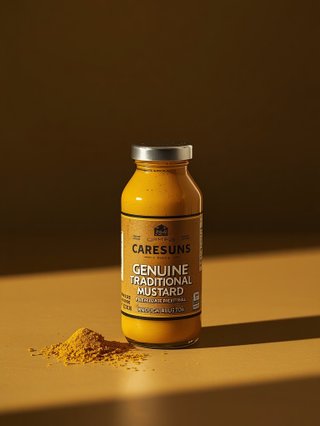
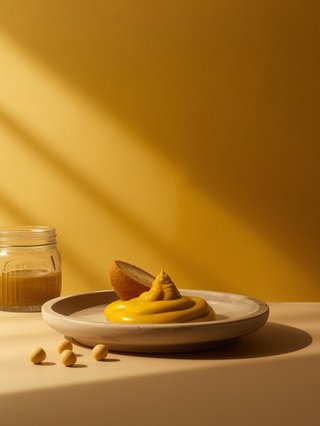
Mustard seeds – medical uses, mustard oil, how mustard is made
Table of Contents 4
Medical & Editorial Disclaimer (§3 Terms): This article is for informational and educational purposes only, does not constitute medical advice, diagnosis, or treatment, and is used at your own risk. Consult a qualified physician for medical conditions.
The chapters delve deeply into the physiological profiles and bioactive compounds found within mustard seeds and cold-pressed plant extracts. Scientific evaluations highlight how unsaturated fatty acids, phytosterols, and antioxidants present in cold-extracted mustard oil support lipid metabolism and cardiovascular wellness. Additionally, the exploration of glucosinolates and plant proteins sheds light on how these dense nutritional components contribute to overall physiological balance when consumed in moderation.
Practical guidance throughout the material empowers readers to harness these benefits directly in their own kitchens by crafting custom, additive-free homemade mustard preparations. By taking full control over the ingredient list, individuals can avoid excessive sugars and artificial preservatives commonly found in mass-produced condiments while tailoring flavor profiles to personal preferences. Integrating these wholesome practices into daily nutrition fosters a sustainable and health-oriented lifestyle.
This article is professional premium content (PRO) provided in its entirety.
Mustard: A Spice, Herb, and Medicinal Plant with Deep Historical Roots
Mustard seeds – nutritional profile, glucosinolates, and therapeutic properties
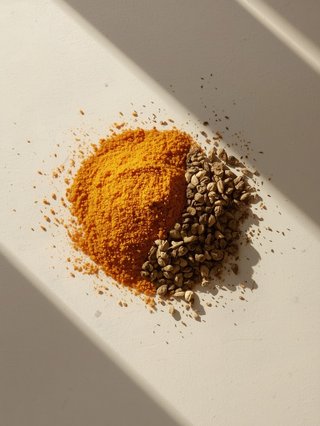
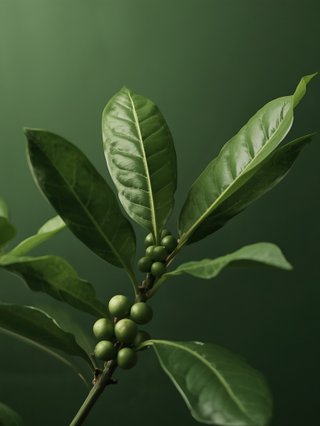
Mustard seeds (white mustard Sinapis alba, brown/Indian mustard Brassica juncea, and black mustard Brassica nigra) have been valued across civilizations for their dense array of essential nutrients, minerals, and bioactive phytonutrients. While energy-dense (100 g provides approximately 508 kcal), they are consumed in moderate culinary and therapeutic amounts. Whole seeds boast substantial protein content (27–35%), healthy plant lipids (25–40%, rich in omega-3 and omega-6 polyunsaturated fatty acids), and roughly 12 g of dietary fiber per 100 g.
Mustard seeds are an outstanding reservoir of B-complex vitamins (162 µg folates, 4.7 mg niacin, alongside thiamine, riboflavin, and pyridoxine), which serve as crucial coenzymes in cellular energy transfer and neuroprotection. They are richly endowed with potent antioxidants, including vitamin E (19.8 mg), vitamin C, vitamin K, and protective carotenoids (lutein, zeaxanthin, beta-carotene). Furthermore, their mineral density is remarkable, providing per 100 g: 370 mg magnesium, 266 mg calcium, 208 µg selenium, 9.2 mg iron, and over 6 mg zinc.
The hallmark pharmacological efficacy of mustard seeds stems from their sulfur-containing glucosinolates (predominantly sinigrin and sinalbin). Upon mechanical crushing and hydration, the endogenous enzyme myrosinase hydrolyzes glucosinolates into bioactive isothiocyanates (such as allyl isothiocyanate), which produce the pungent sensory aroma and exert pronounced antimicrobial, antifungal, and anti-inflammatory properties. Modern epidemiological and preclinical studies highlight the role of glucosinolates in mitigating oxidative carcinogenesis across gastrointestinal tissues. In botanical and complementary medicine, mustard seed poultices are traditionally deployed as effective rubefacients to stimulate local microcirculation and relieve rheumatic pain, arthritis, and neuralgias, while whole seeds promote bile secretion and healthy digestive transit.
Cold-pressed mustard seed oil: composition, industrial applications, and evidence-based therapeutic uses
A Step-by-Step Guide to Crafting Homemade Mustard with Customizable Heat Levels
Want to apply these guidelines in your daily diet?
Our smart diet generator creates a tailored meal plan in 3 minutes based on the recommendations in this article.

mgr David Janitzek
• 25.09.2026Diets Premium Expert
Diets Premium team expert. Specializes in nutrition plans, strength sports, and training plans.