Milk thistle: Practical uses of oil, capsules, seeds, and infusions – a science-based guide
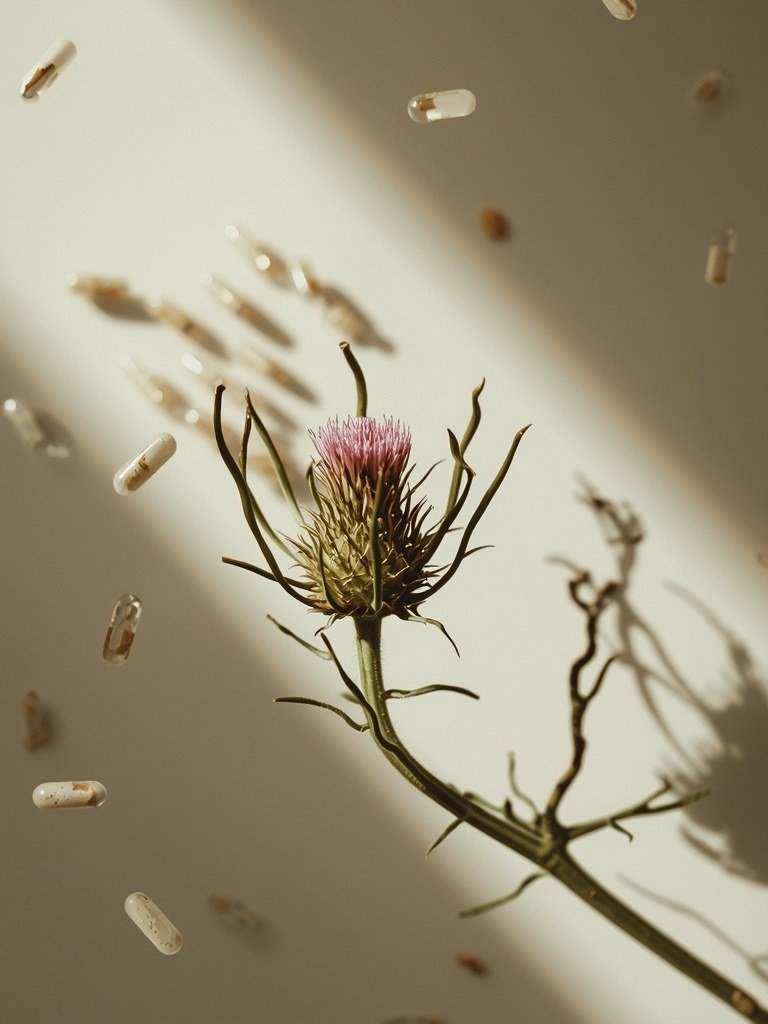

Table of Contents 5
Medical & Editorial Disclaimer (§3 Terms): This article is for informational and educational purposes only, does not constitute medical advice, diagnosis, or treatment, and is used at your own risk. Consult a qualified physician for medical conditions.
The primary mechanism of action is attributed to silymarin, a complex of flavonolignans concentrated within the seeds, which helps protect liver cells from oxidative stress and supports their structural integrity. Whether utilized as cold-pressed oil for topical skin nourishment, standardized extracts for precise supplementation, or whole seeds for maximum nutrient retention, the plant offers versatile applications. These components work synergistically to enhance metabolic health and provide a protective barrier against environmental stressors.
For daily health practices, incorporating freshly ground seeds into meals like porridge or yogurt is an effective way to consume the full matrix of active compounds. While capsules offer a convenient, standardized approach for targeted support, the oil serves as an excellent topical agent for skin regeneration. It is important to approach supplementation with care, ensuring that individual health conditions, such as bile duct concerns or pregnancy, are discussed with a healthcare professional to ensure safe and appropriate usage.
This article is professional premium content (PRO) provided in its entirety.
This remarkable botanical specimen, whose medicinal legacy dates back to ancient Greek and Roman civilizations, continues to be the subject of rigorous contemporary scientific inquiry. To date, over three hundred clinical and experimental investigations have been completed, unanimously validating its therapeutic efficacy—particularly in supporting hepatic function and facilitating liver regeneration. The late summer and early autumn months, specifically September and October, represent the optimal harvesting period for mature milk thistle seeds, as this is when their concentration of bioactive compounds such as silymarin reaches peak levels.
Botanical characteristics and mechanism of action
Milk thistle (Silybum marianum) is an annual or biennial plant belonging to the Asteraceae family. Depending on growing conditions, it reaches a height of 0.7 to 1.7 meters, with a vegetation period lasting between 80 and 110 days. Preparations based on fruit extracts have been used for decades primarily in the treatment of liver disorders. The health-promoting properties stem directly from silymarin—a complex of flavonolignans (silybin, silichristin, and silidianin) concentrated in the fruit coat and seed coat.
Milk thistle fortifies the liver by preventing the excessive depletion of glutathione, a critical endogenous antioxidant compound that plays a fundamental role in detoxification. Research indicates it can increase hepatic glutathione levels by up to 35%. The herb protects hepatocytes against endogenous metabolic byproducts as well as external toxins, including heavy metals, pharmaceutical drugs, alcohol, and fungal poisons (such as amanitin). Furthermore, it acts as a potent antioxidant, exhibits anti-inflammatory effects by inhibiting leukotriene synthesis, and accelerates parenchymal regeneration.
Therapeutic applications of milk thistle oil
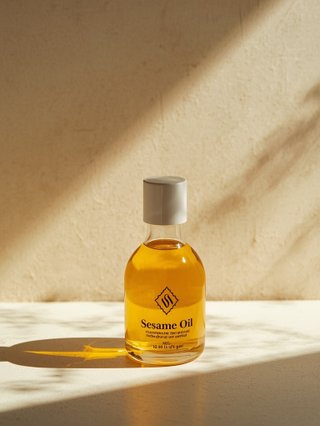
Milk thistle oil can be administered both internally and topically. Cold-pressed oil possesses remarkable nourishing and regenerative qualities, making it highly effective when applied to burns, chronic wounds, eczema, bedsores, and atopic skin conditions. It also contributes significantly to hair and nail strengthening.
For internal use, a standard dosage of 2 to 3 teaspoons daily is recommended. Possessing a delicate, nutty flavor with a subtle bitterness, it can be seamlessly incorporated into cold dishes such as salads and dressings. Regular consumption supports lipid metabolism, aids gastrointestinal function, and promotes systemic cleansing. To preserve its fragile polyunsaturated fatty acid profile, the oil must be stored in a cool, dark place.
Standardized extracts in tablets and capsules
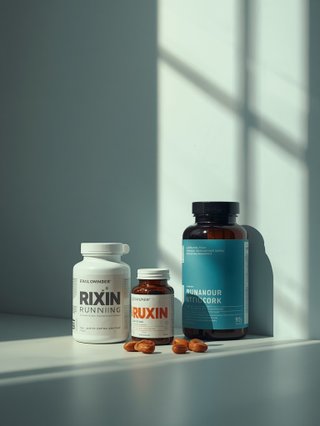
Milk thistle extracts available in tablet and capsule formulations offer a convenient and standardized approach to supplementation. High-grade supplements contain concentrated extracts standardized to a specific percentage of silymarin (typically 70–80%), ensuring precise dosing for clinical and therapeutic objectives.
In addition to the active botanical ingredients, these formulations typically incorporate pharmaceutical excipients such as microcrystalline cellulose, magnesium stearate, and silicon dioxide. They represent an ideal option for individuals requiring targeted hepatic support during pharmaceutical treatments, convalescence, or chronic metabolic stress. Dosage regimens should strictly adhere to manufacturer instructions or professional medical guidance.
Whole and ground seeds as natural raw materials
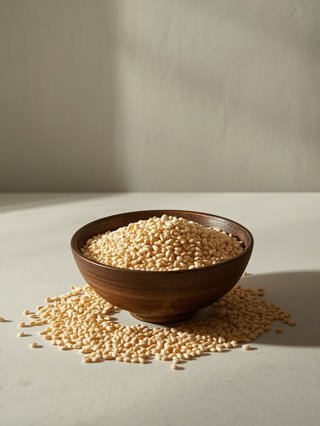
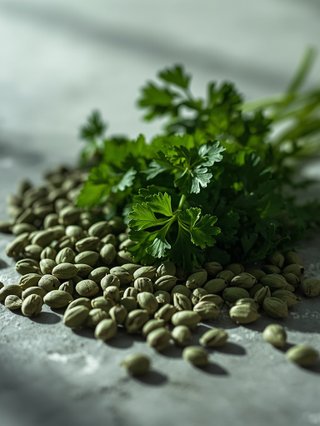
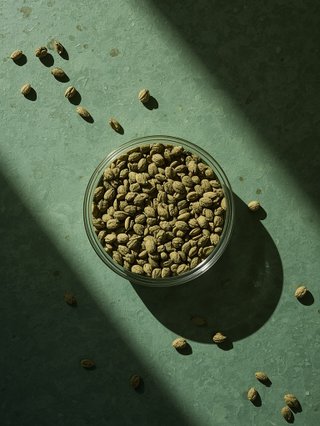
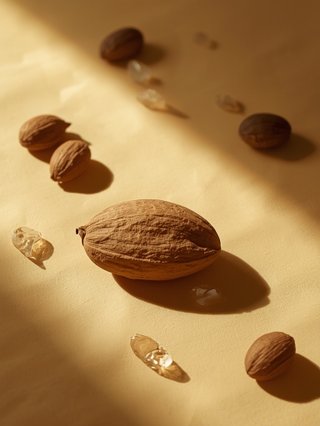
Botanically classified as achenes, milk thistle seeds represent the least processed form of the herb, preserving the entire matrix of active compounds. Using whole seeds allows consumers to grind them fresh at home, effectively preventing the oxidation and degradation of sensitive constituents.
The resulting powder has a neutral taste profile and can be easily incorporated into yogurts, oatmeal, porridges, salads, or baked goods. Beyond silymarin, the whole seeds provide essential dietary fiber, plant proteins, and beneficial fatty acids, promoting optimal digestive motility and metabolic health.
Preparation of infusions and important contraindications
An infusion prepared from ground milk thistle seeds is a gentle and traditional way to support hepatic and digestive health. To brew the tea, a teaspoon of freshly ground seeds is steeped in hot water. While the taste can be slightly bitter, adding a touch of honey or peppermint leaves improves the flavor and further stimulates digestive secretions.
Despite its high safety profile, milk thistle must be used with caution. It is contraindicated in cases of acute bile duct obstruction, during pregnancy and lactation, and in individuals allergic to Asteraceae plants. Furthermore, silymarin may interact with hepatic cytochrome enzymes, altering the pharmacokinetics of certain drugs such as statins, oral contraceptives, and anticoagulants. Professional medical consultation is strongly advised prior to initiating high-dose supplementation.
Want to apply these guidelines in your daily diet?
Our smart diet generator creates a tailored meal plan in 3 minutes based on the recommendations in this article.

Anna Schmidt
• 23.10.2026Diets Premium Expert
Diets Premium team expert. Specializes in nutrition plans, strength sports, and training plans.