Medial epicondylitis in golfers – causes and treatment
Table of Contents 3
Medical & Editorial Disclaimer (§3 Terms): This article is for informational and educational purposes only, does not constitute medical advice, diagnosis, or treatment, and is used at your own risk. Consult a qualified physician for medical conditions.
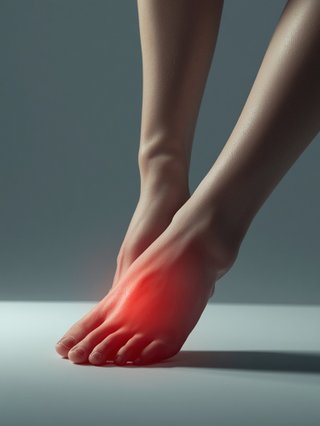
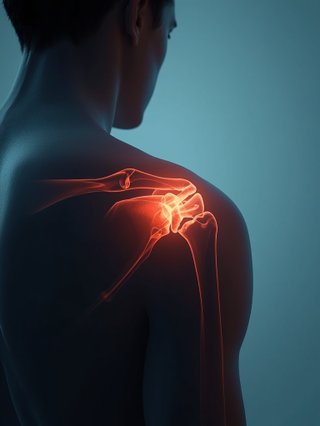
The underlying physiological mechanisms involve chronic microtrauma within the connective tissue structures where the flexor muscles attach to the bone. Continuous strain and overstretching during forceful throwing or gripping motions provoke localized inflammation and structural wear. Consequently, patients frequently experience sharp pain radiating down the forearm, discomfort during resisted wrist flexion, and a noticeable reduction in overall grip strength.
Practical management begins with the immediate modification or reduction of activities that provoke pain, followed by professional orthopedic consultation to identify the root cause of the overload. Correcting faulty movement mechanics and addressing technical errors during physical tasks are essential steps for long-term recovery. During acute flare-ups, supportive measures like localized cold therapy can help ease symptoms while the affected connective tissues undergo natural healing.
The golfer's elbow is symptomatic
Etiology and Mechanisms Underlying Golfer’s Elbow: Causes of Medial Epicondylitis Due to Overuse Injuries
Comprehensive therapeutic and rehabilitative approaches for overuse-related elbow joint conditions
Want to apply these guidelines in your daily diet?
Our smart diet generator creates a tailored meal plan in 3 minutes based on the recommendations in this article.
Tags

Olivia Davis
Diets Premium Expert
Diets Premium team expert. Specializes in nutrition plans, strength sports, and training plans.