Love, chocolate, and a bottle of red wine - the best recipe for a healthy heart!

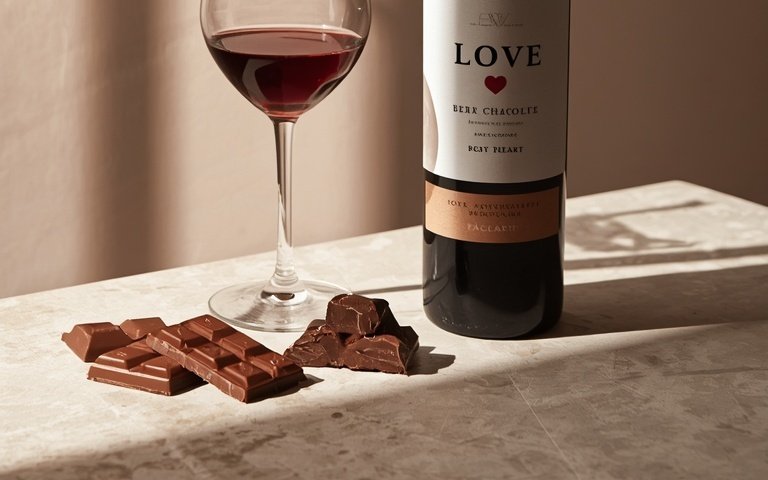
Table of Contents 4
Medical & Editorial Disclaimer (§3 Terms): This article is for informational and educational purposes only, does not constitute medical advice, diagnosis, or treatment, and is used at your own risk. Consult a qualified physician for medical conditions.
From a physiological standpoint, cocoa flavanols enhance vascular health by stimulating endothelial cells to produce nitric oxide, which promotes blood vessel relaxation and optimal circulation. Meanwhile, polyphenols such as resveratrol derived from grape skins contribute to cellular repair mechanisms and combat oxidative stress. Neurobiologically, the neurohormone oxytocin—released during moments of deep emotional bonding—helps mitigate stress responses, regulate arterial pressure, and buffer the myocardium against severe emotional strain.
Translating these insights into daily life involves emphasizing quality and moderation across all lifestyle habits. Selecting high-grade dark chocolate rich in cocoa solids and devoid of hydrogenated oils, alongside strict restraint with alcoholic beverages, ensures optimal cardiovascular benefits. When combined with the cultivation of supportive, loving relationships, these practices form a balanced, evidence-based strategy for nurturing both emotional and heart health.
Psychocardiology: cardiovascular impacts of emotional intimacy and oxytocin
The intricate nexus connecting emotional well-being and cardiovascular health constitutes a primary frontier of modern psychocardiology. Pathologies such as Takotsubo cardiomyopathy ('broken heart syndrome') starkly illustrate the catastrophic somatic toll that severe emotional trauma and catecholamine surges inflict on the myocardium. Conversely, enduring, secure romantic partnerships exert profound, measurable cardioprotective effects.
Central to this physiology is oxytocin, a peptide neurohormone synthesized in the hypothalamus and released in response to physical affection, eye contact, and emotional bonding. Oxytocin acts directly on receptors in cardiac and vascular tissues to stimulate endothelial nitric oxide release, reduce mean arterial pressure, and dampen sympathetic nervous activity. Epidemiological cohorts consistently demonstrate that individuals in supportive long-term partnerships experience significantly reduced incidences of myocardial infarction, stroke, and vascular mortality.
Cocoa flavanols: vascular endothelium and nitric oxide synthesis
Cocoa derived from the seeds of Theobroma cacao represents one of the richest dietary concentrations of polyphenol antioxidants, dominated by flavan-3-ols, notably monomeric epicatechin and catechin. High-percentage dark chocolate (minimum 70% to 85% cocoa solids) delivers biologically significant quantities of epicatechin, which directly modulates endothelial cellular signaling.
Epicatechin upregulates endothelial nitric oxide synthase (eNOS) transcription and catalytic activity, elevating bioavailable nitric oxide (NO). This biological cascade promotes smooth muscle relaxation, restores arterial compliance, and reliably lowers systolic and diastolic blood pressure. Additionally, cocoa flavanols dampen platelet reactivity—mirroring low-dose acetylsalicylic acid—and suppress LDL oxidation, curbing the initiation of vascular plaque formation.
Resveratrol and red wine polyphenols: vascular protection versus alcohol limits
Red wine has historically anchored the 'French Paradox'—the epidemiological observation of low coronary heart disease mortality in France despite diets rich in saturated lipids. This cardiovascular resilience is attributed in part to bioactive polyphenols extracted from grape skins during extended fermentation, most notably trans-resveratrol, quercetin, and oligomeric proanthocyanidins.
Resveratrol functions as an activator of sirtuin-1 (SIRT1), stimulating cellular repair, attenuating endothelial inflammation, and mitigating metabolic stress. However, modern clinical cardiology guidelines (including the European Society of Cardiology and WHO) maintain strict boundaries: ethanol is an established neurotoxin and Group 1 carcinogen, and excessive intake promotes arrhythmias, arterial hypertension, and alcoholic cardiomyopathy. Clinicians emphasize that non-drinkers should never initiate alcohol consumption for cardiovascular prophylaxis; for individuals who already consume wine, consumption must be strictly limited to no more than one small glass (100–125 ml) of dry red wine, enjoyed occasionally alongside a nutrient-dense meal.
Practical cardioprotective recommendations: harmonizing indulgence and heart health
Celebrating romance and safeguarding cardiovascular wellness can seamlessly coalesce when guided by evidence-based medicine (EBM). Rather than turning to ultra-processed confectioneries or excessive alcohol, individuals should focus on culinary quality and mindful lifestyle practices.
The therapeutic dosage for dark chocolate is 20 to 30 grams daily (approximately 2 to 3 squares), selecting varieties with at least 70% to 85% cocoa solids devoid of hydrogenated palm oils or high-fructose syrups. A heart-healthy celebratory dinner is best patterned after Mediterranean gastronomy: baked fatty fish abundant in omega-3s, crisp greens dressed with extra virgin olive oil, walnuts, and fresh berries. Ultimately, the greatest clinical gift for the cardiovascular system remains active stress reduction, meaningful communication, and the enduring comfort of shared companionship.
Want to apply these guidelines in your daily diet?
Our smart diet generator creates a tailored meal plan in 3 minutes based on the recommendations in this article.

Alicja Kowalska
• 23.10.2026Diets Premium Expert
Diets Premium team expert. Specializes in nutrition plans, strength sports, and training plans.