Linoleic acid CLA - action, weight loss, expert opinions, and natural sources
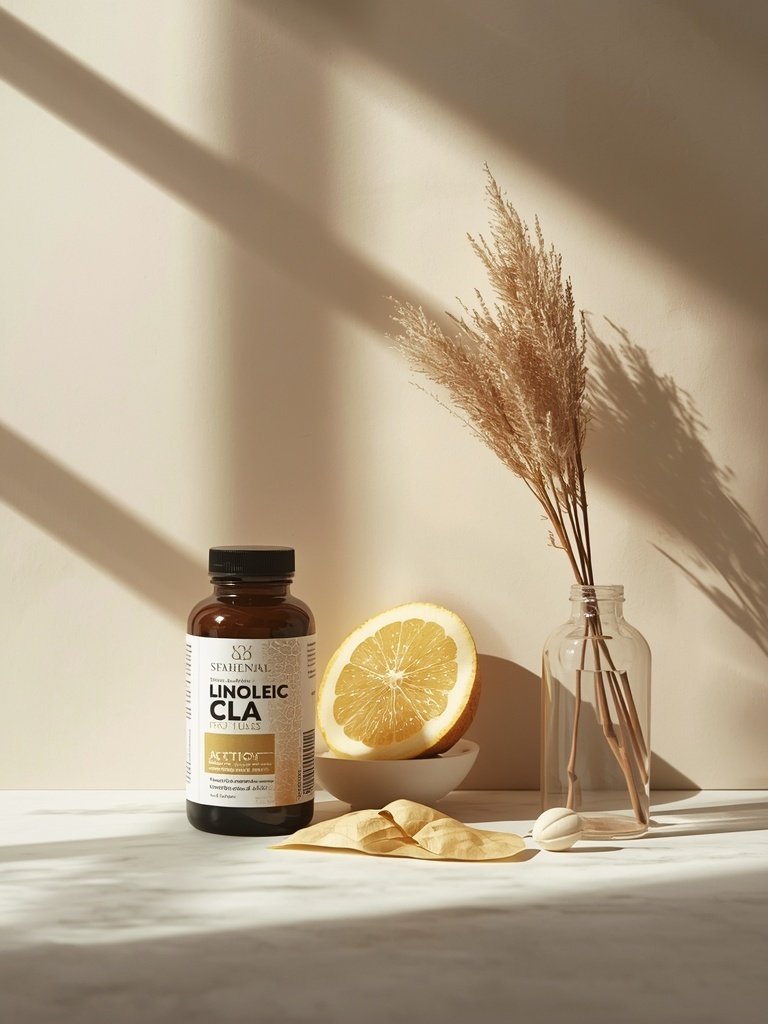
Table of Contents 3
Medical & Editorial Disclaimer (§3 Terms): This article is for informational and educational purposes only, does not constitute medical advice, diagnosis, or treatment, and is used at your own risk. Consult a qualified physician for medical conditions.
Biochemically, CLA exists in distinct isomers formed within the digestive tract of ruminant animals through microbial action and the conversion of dietary linolenic acid. On a physiological level, CLA modulates lipid metabolism by inhibiting the activity of lipoprotein lipase, an enzyme responsible for storing fat in adipocytes. Concurrently, it promotes fatty acid oxidation within muscle tissue. Clinical observations suggest that this dual mechanism may help facilitate a modest reduction in body fat while preserving lean muscle tissue, serving as a valuable asset for overall metabolic balance.
Translating these findings into daily wellness involves prioritizing nutrient-dense whole foods. Rich natural sources of beneficial isomers include full-fat dairy products and high-quality meats such as beef, lamb, and pork. Incorporating these traditional whole foods into a balanced meal plan can support natural fat oxidation. However, optimizing body composition requires a holistic approach, where mindful dietary choices are combined with regular physical activity and a balanced lifestyle.
This article is professional premium content (PRO) provided in its entirety.
This Regulation shall enter into force on the twentieth day following that of its publication in the Official Journal of the European Union
CLA's on the move
CLA is the source
Want to apply these guidelines in your daily diet?
Our smart diet generator creates a tailored meal plan in 3 minutes based on the recommendations in this article.

Kacper Nowak
• 24.09.2026Diets Premium Expert
Diets Premium team expert. Specializes in nutrition plans, strength sports, and training plans.