L-leucine: mechanism of action, benefits, and optimal supplementation regimens in sports

Table of Contents 3
Medical & Editorial Disclaimer (§3 Terms): This article is for informational and educational purposes only, does not constitute medical advice, diagnosis, or treatment, and is used at your own risk. Consult a qualified physician for medical conditions.
Unlike many amino acids that are extensively processed by the liver, L-leucine largely bypasses hepatic extraction and directly enters skeletal muscle tissue. Once inside the cell, it binds to intracellular sensor proteins, triggering the vital mTORC signaling cascade that initiates protein translation. Research highlights the clinical concept of a leucine trigger threshold, establishing that a specific concentration of free leucine per meal is necessary to fully stimulate the myogenic response.
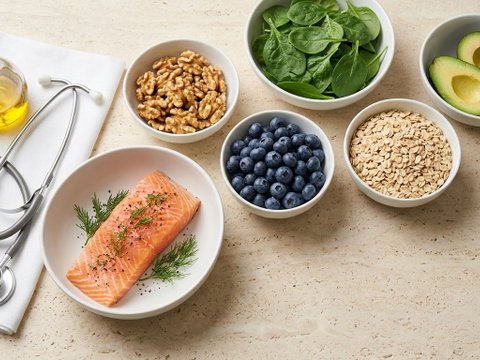
Practical application relies on strategic nutrient timing and incorporating rich protein sources into the daily diet. High-quality options include whey protein isolate, aged cheeses, lean meats, poultry, and plant-based foods such as edamame. Fortifying post-exercise nutrition or plant-dense meals with leucine offers an effective nutritional strategy to support recovery, maintain lean tissue, and complement structured exercise programs.
L-leucine represents the paramount anabolic driver among branched-chain amino acids (BCAAs). Far from merely serving as a passive nitrogenous substrate for tissue accrual, leucine functions as an autonomous nutrient signal triggering ribosomal muscle protein synthesis (MPS) via the mechanosensitive mammalian target of rapamycin complex 1 (mTORC1) cascade. This article reviews the pharmacokinetics of leucine, the clinical 'leucine trigger' threshold hypothesis, and practical supplementation regimens for combating sarcopenia and accelerating muscular hypertrophy.
Physiology of L-Leucine: Essential Branched-Chain Amino Acid and Anabolic Driver
L-leucine is an indispensable dietary amino acid that humans cannot synthesize de novo, requiring consistent exogenous dietary provision. Structurally, it groups with L-isoleucine and L-valine to constitute the branched-chain amino acids (BCAAs).
Unlike aromatic or basic amino acids that undergo extensive hepatic first-pass extraction and transamination, BCAAs bypass the liver due to low hepatic branched-chain aminotransferase (BCAT) expression, distributing directly into skeletal muscle to act as primary metabolic triggers and substrates.
Molecular Mechanism: mTORC1 Cascade and the Leucine Threshold Concept
Leucine exerts its potent myogenic action through intracellular sensor proteins (notably Sestrin2) that stimulate mTORC1 translocation to the lysosomal membrane. Downstream phosphorylation of ribosomal p70S6 kinase and 4E-BP1 unleashes ribosomal translation initiation, catalyzing rapid muscle protein synthesis (MPS).
This physiological phenomenon is governed by the 'leucine trigger' threshold hypothesis: a threshold dose of approximately 2.5 to 3.0 g of free leucine per meal is mandatory to elicit maximal ribosomal activation in healthy young adults. In elderly populations displaying age-related anabolic resistance, this requirement escalates to 3.5–4.0 g per feeding.
Optimal Dosing Protocols, Whole-Food Sources, and Clinical Safety
Clinical and athletic execution revolves around strategic timing and nutrient density:
- Top Food Sinks: Premier whole-food sources include whey protein isolate (11–13 g leucine/100 g), aged Parmesan (3.5 g/100 g), grass-fed beef (2.6 g/100 g), skinless poultry (2.2 g/100 g), alongside edamame and spirulina for plant-exclusive athletes.
- Targeted Supplementation: Ingesting 3–5 g of pure L-leucine post-exercise, or fortifying lower-quality plant meals with 2–3 g leucine, reliably raises the postprandial anabolic response to levels seen with animal intact proteins.
- Safety: Doses up to 10–12 g/day are exceptionally well-tolerated in individuals with preserved renal function. Leucine triggers the initial synthesis cascade, but all nine essential amino acids (EAAs) must be present to sustain prolonged tissue remodeling.
Want to apply these guidelines in your daily diet?
Our smart diet generator creates a tailored meal plan in 3 minutes based on the recommendations in this article.
Tags

mgr Tim Klein
• 25.11.2026Diets Premium Expert
Diets Premium team expert. Specializes in nutrition plans, strength sports, and training plans.