Knee pain and discomfort – unstable cartilage
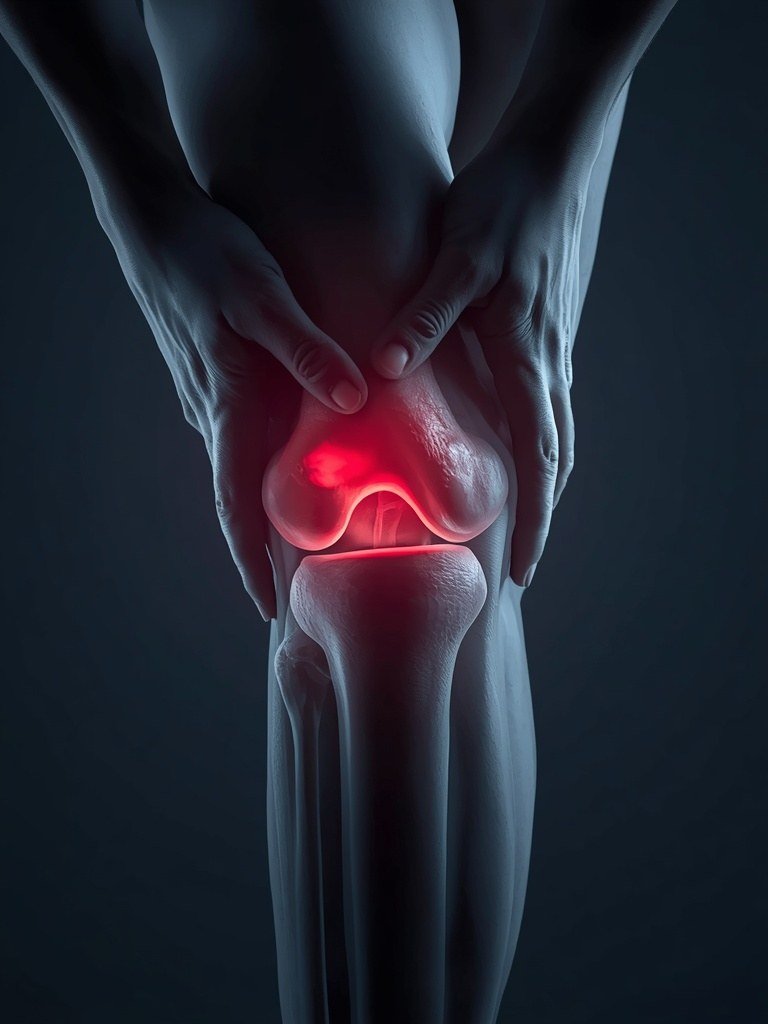
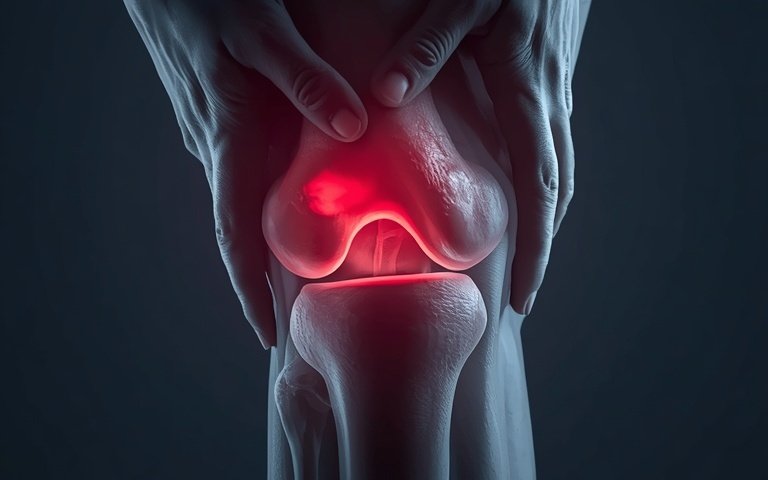
Table of Contents 3
Medical & Editorial Disclaimer (§3 Terms): This article is for informational and educational purposes only, does not constitute medical advice, diagnosis, or treatment, and is used at your own risk. Consult a qualified physician for medical conditions.
Clinical insights highlight the essential role of the patella as it glides through the femoral groove during flexion and extension of the leg. If this groove is unusually shallow or if muscular imbalances are present, the kneecap may lose its stabilizing track, leading to symptoms such as joint locking, clicking sensations, exertion-related discomfort, and localized swelling. Understanding these distinctive indicators helps clinicians perform thorough assessments and identify structural disruptions that might otherwise compromise joint integrity and overall function.
For practical daily management, incorporating targeted strengthening exercises for the surrounding leg musculature can help support proper knee alignment and reduce undue joint stress. It remains vital to seek professional medical evaluation rather than ignoring persistent pain or attempting unguided self-treatment after significant joint trauma. Embracing a balanced lifestyle and supporting overall nutritional needs further contributes to maintaining healthy joints and fostering long-term physical well-being.
Patellar instability – factors influencing its function
Assessment (distinctive indicators)
Management of Patellar Instability
Want to apply these guidelines in your daily diet?
Our smart diet generator creates a tailored meal plan in 3 minutes based on the recommendations in this article.

Kacper Nowak
Diets Premium Expert
Diets Premium team expert. Specializes in nutrition plans, strength sports, and training plans.